
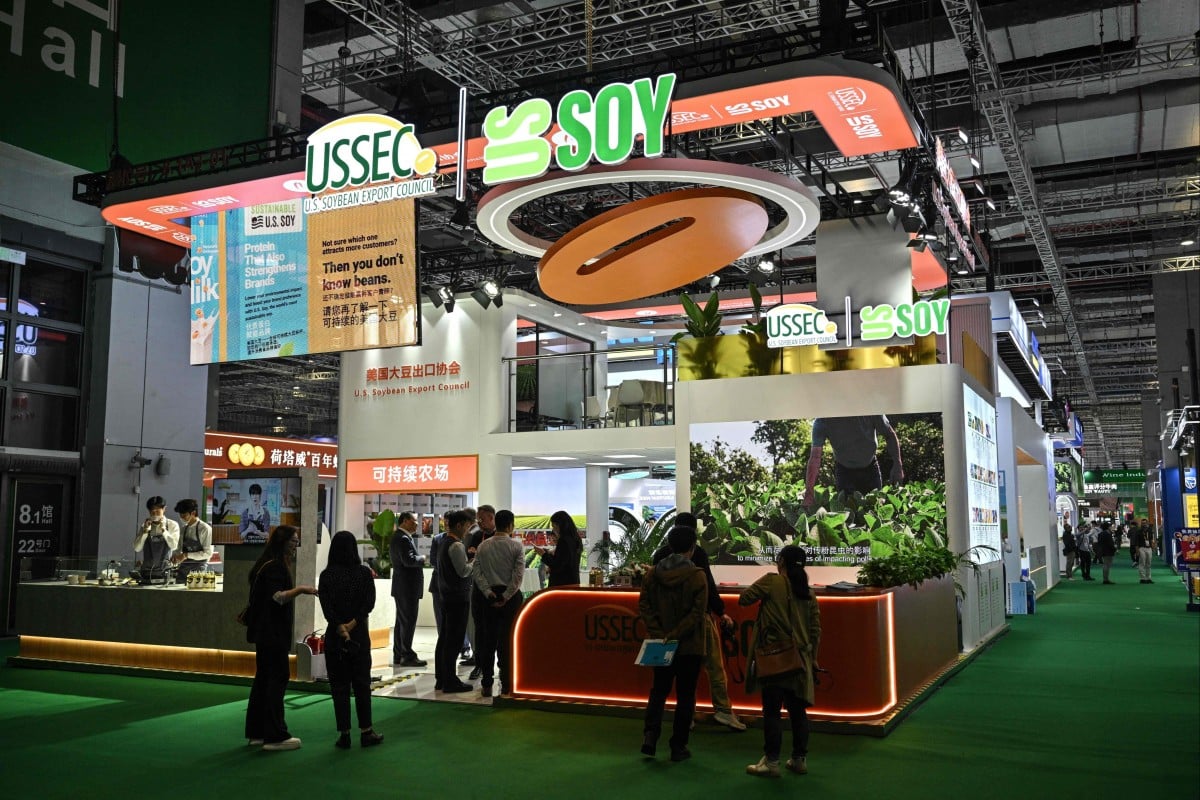
The ongoing US government shutdown has cast a shadow over what had been a reopening of trade momentum between Washington and Beijing, especially in agriculture. At the heart of the issue is the absence of US officials at a major trade exposition in China, undermining the efforts of American farm exporters who were hoping to capitalise on improving relations.
The China International Import Expo (CIIE) in Shanghai opened its doors to global buyers and sellers, a key opportunity for American agricultural firms. Yet officials from the US Department of Agriculture and other trade-linked agencies were unable to attend because of the federal shutdown. Their absence left a prominent US pavilion inactive and sent a signal of mixed commitment at a time when Chinese buyers are increasingly open to American crops.
For US farmers this could not come at a worse time. China remains one of the world’s largest importers of soybeans, corn and cotton, and the opportunity to rekindle bulk purchases from the US is crucial to many rural exporters still grappling with global supply chain disruptions, low commodity prices and mounting input costs. Chinese buyers have already inked multi-billion-dollar deals with other international suppliers, and the inability of US officials to show up in Shanghai risks tilting future contracts away from American agriculture.
The shutdown has also aggravated domestic concerns at home. Farmers were already anxiously watching tariff negotiations, crop margins, and export volumes. Now they find that a key channel for engaging with Chinese buyers has effectively been shuttered. The optics of absent US representation at the expo feed into broader uncertainty about whether Washington is fully committed to rebuilding agricultural trade ties with China.
From Beijing’s vantage point, the pause in US official attendance may be a minor technicality, but it comes at a tricky moment. Chinese traders and officials have publicly emphasised that future US commodity imports will be judged on price, quality, and reliability, not just diplomatic gestures. The failure of US officials to participate in a marquee event underlines questions about reliability and follow-through.
Trade industry watchers say that this incident may force American exporters to rely more heavily on commercial channels rather than government-facilitated trade missions. Over the longer term, US agriculture may need to rebuild buyer confidence in more subtle ways, ensuring delivery, competitive pricing and transparent contracts.
The timing is particularly awkward given that US and Chinese leaders recently met and sought to reinvigorate trade ties. The shutdown interrupts that momentum, offering foreign suppliers an opportunity to step in. While the US still retains leverage, it remains a major producer of soybeans and corn domestic policy paralyses like agency shutdowns risk eroding that advantage.
In the short term, the key question is whether US exporters can salvage missed connections at the expo through later follow-up and private sector engagement. In the medium term, it is whether the government shutdown becomes yet another structural barrier to US-China agricultural trade, one that undermines confidence and cedes ground to rivals.

