
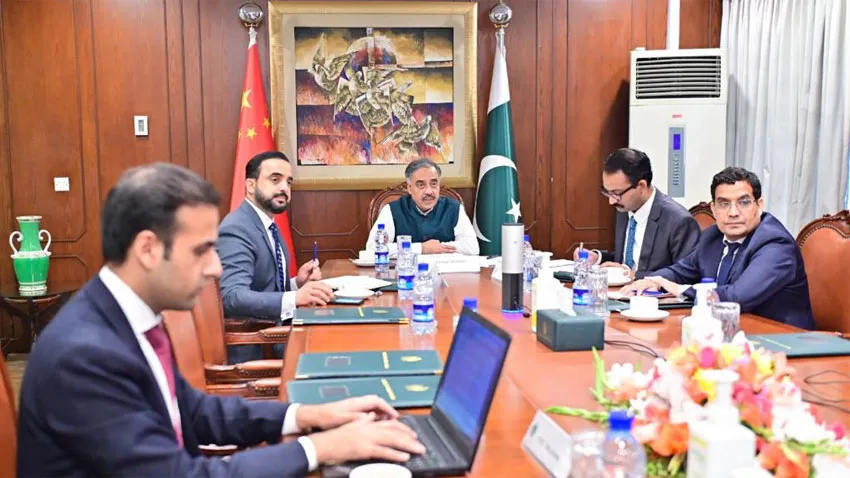
CPEC is widely recognized for its highways, energy plants, and infrastructure projects, but one of its most meaningful contributions is its social impact. Beyond physical development, CPEC has reshaped communities by creating jobs, improving mobility, and expanding economic opportunities across Pakistan. These social benefits support regional equity and ensure that development reaches populations that were historically underserved.
As CPEC enters its next phase, Pakistan and China place renewed emphasis on inclusive growth, community uplift, and job creation. The goal is to ensure that every region benefits from national progress.
Job Creation Across Multiple Sectors
CPEC projects have generated employment across construction, manufacturing, logistics, engineering, and services. From skilled engineers to local laborers, thousands of Pakistanis have found work through road building, power projects, port operations, and industrial zone development.
Special economic zones create further opportunities by attracting investment from Chinese and local companies. These industries employ youth, women, and skilled workers, offering stable income and long term career growth. The multiplier effect of these jobs stimulates local markets, boosts household income, and strengthens economic resilience.
Empowering Youth Through Technical Training
A major component of CPEC’s social impact is the development of technical skills among Pakistani youth. Training centers established in various regions provide hands on instruction in industrial machinery, electrical systems, transportation management, and digital technologies.
China’s experience in large scale vocational training supports Pakistan’s efforts to build a skilled workforce. Young people gain access to training programs linked directly to job opportunities in SEZs, energy companies, and logistics hubs. This alignment helps match skills with employment demand and strengthens long term national productivity.
Improving Community Infrastructure and Public Services
CPEC includes community uplift projects that improve public services in areas surrounding major development zones. Roads connecting local villages to national highways reduce travel time and improve access to markets, schools, and health facilities.
Projects in clean water supply, sanitation, and rural electrification enhance quality of life. Community centers and social welfare programs further support local populations. These improvements make CPEC regions more livable and contribute to social stability.
Regional Equity Through Balanced Development
One of Pakistan’s historical challenges has been uneven development among provinces and districts. CPEC helps address this imbalance by directing investment toward less developed regions including Balochistan, southern Punjab, interior Sindh, and parts of Khyber Pakhtunkhwa.
Gwadar’s transformation is a prime example. Once an underdeveloped region, it is now becoming a major port and economic hub. Roads, housing, airports, and free zones create opportunities for local residents who previously had limited access to employment and public services.
Supporting Women’s Participation in the Workforce
Women are playing an increasingly important role in CPEC’s social development. Training programs, digital literacy initiatives, and employment policies are designed to encourage women to participate in sectors such as manufacturing, administration, healthcare, and education.
Female entrepreneurs benefit from improved connectivity and digital trade systems that help them reach national and international markets. The inclusion of women in community advisory groups ensures that development plans address local needs and support social harmony.
Economic Inclusion Through Small Business Growth
Local small businesses benefit from new markets created by CPEC infrastructure. Improved roads and logistics networks allow farmers, artisans, and traders to access buyers in cities and neighboring regions. Transport companies, restaurants, and service providers experience growth as traffic increases along major routes.
China supports small business development through technology transfer, digital platforms, and capacity building programs. Local industries become integrated into national supply chains, strengthening the economic fabric of regions previously disconnected from mainstream markets.
Access to Education and Digital Learning
CPEC development supports educational improvements by enhancing connectivity and providing resources to schools and training centers. Better roads allow students to attend school regularly, and digital infrastructure enables e learning platforms in rural communities.
Solar powered classrooms, computer labs, and scholarship programs further expand educational opportunities. China’s universities and institutes offer training that helps Pakistani students pursue careers in engineering, agriculture, science, and technology.
Strengthening Social Stability and National Integration
When communities gain access to jobs, services, and infrastructure, social stability improves. CPEC strengthens national integration by connecting distant regions through roads, fiber optics, and economic networks. These links promote mutual understanding and shared prosperity.
People from different regions interact more frequently through trade, education, and employment. This interaction cultivates unity and reduces barriers that once limited cooperation between provinces.
A Development Model Focused on People
CPEC’s social impact highlights the importance of people centered development. The partnership between Pakistan and China goes beyond buildings and roads. It is a commitment to improving lives, expanding opportunities, and promoting equitable growth across the country.
Through job creation, training, community uplift, and regional balance, CPEC strengthens the social fabric of Pakistan. These efforts support long-term national progress and reflect the enduring cooperation between both nations.

