
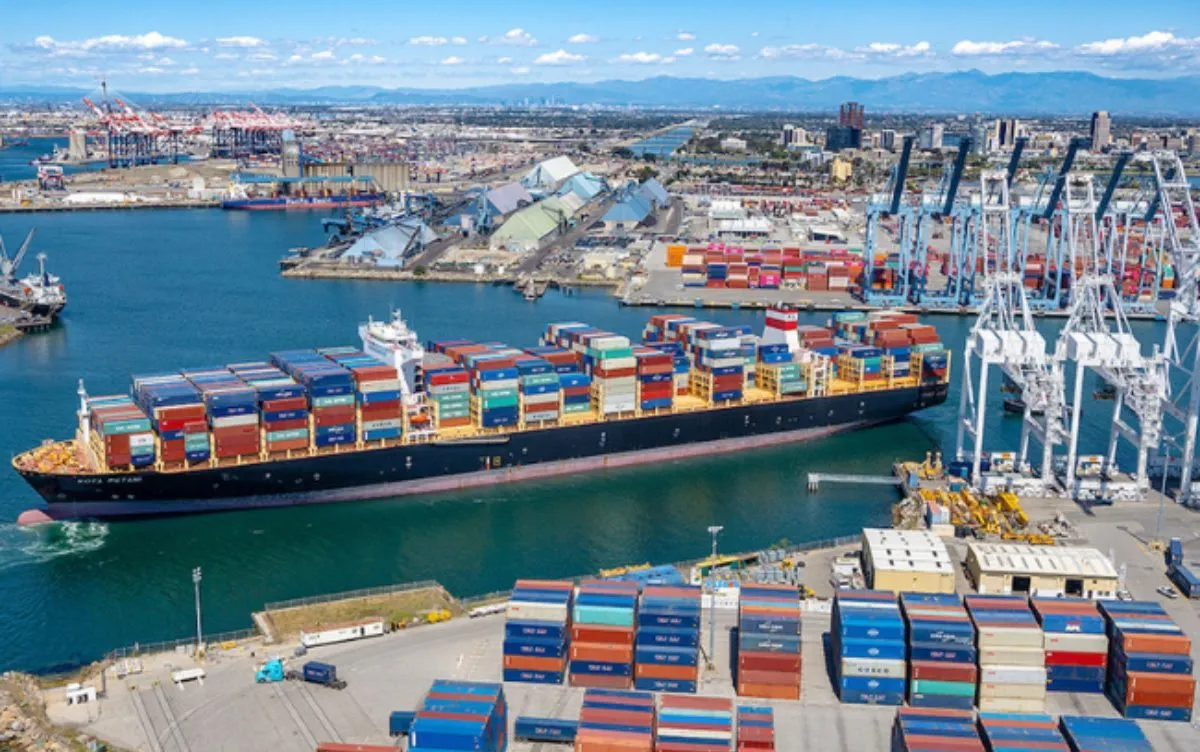
Gwadar is emerging as one of the most important maritime gateways in the region as Pakistan and China continue to upgrade port operations and surrounding logistics networks. The strategic location of Gwadar near major international sea lanes makes it a key link for trade routes connecting South Asia the Middle East Africa and Central Asia. With ongoing investments under CPEC the port is transitioning into a modern logistics hub with advanced systems that support faster and more efficient trading activities.
Gwadar’s Role in Modern Regional Trade
Gwadar was envisioned as a deep sea port that would transform Pakistan’s access to global markets. Its location reduces shipping time improves logistics efficiency and connects inland regions to international trade networks. As infrastructure development expands the port now holds even greater importance for regional supply chains.
Trade activity in Gwadar supports both domestic and international markets. Exporters benefit from shorter routes to the Middle East while importers gain access to streamlined delivery schedules. Goods from Central Asian regions can also access ocean routes through Gwadar which enhances Pakistan’s strategic relevance in regional commerce.
Advancements in Port Infrastructure
China has supported the development of key facilities that accelerate the modernization of Gwadar. New terminals upgraded berths and improved cargo handling equipment help increase the port’s capacity. These improvements allow larger vessels to dock safely and ensure that cargo movement remains smooth even during peak trading periods.
Construction of free zones and industrial parks around the port is also underway. These zones are designed to encourage manufacturing trade storage and processing activities. Companies that establish operations in these areas benefit from modern facilities preferential policies and close proximity to maritime routes.
Smart Technology and Digital Logistics Systems
Smart logistics is becoming a central part of Gwadar’s long term development vision. China’s experience in smart port management provides Pakistan with access to advanced technologies that improve operational efficiency. Digital cargo tracking automated processing systems and intelligent scheduling tools help reduce delays and improve transparency.
Electronic documentation systems also replace traditional paperwork which accelerates customs clearance and reduces human error. These tools create a more reliable environment for traders and support faster supply chain movement across industries.
Sensors and digital monitoring systems help track container movement in real time. This ensures better coordination between port operators shipping companies and logistics firms. As smart systems become more widespread Gwadar can compete with major regional ports that already rely on digital solutions for high volume trade.
Building Transport Links to Support the Port
Smart logistics cannot function without reliable transport connections. Road networks connecting Gwadar to the rest of Pakistan continue to expand. These routes support smoother movement of goods from the port to markets across the country. The Gwadar East Bay Expressway for example improves access and reduces travel time for cargo trucks.
Plans for railway connections are also being discussed to enhance long term logistics capacity. A modern railway link would open new opportunities for fast and cost effective cargo movement. This would strengthen Pakistan’s role as a trade corridor linking coastal regions with northern markets and neighboring countries.
Improved airport facilities and upgraded infrastructure surrounding the port support the movement of goods personnel and services. These multi channel connections help integrate Gwadar into national and regional logistics networks.
Boosting Regional Trade and Economic Growth
Gwadar’s development contributes to Pakistan’s broader economic ambitions. As the port becomes more connected with global supply chains it provides new opportunities for exporters in agriculture minerals textiles and manufacturing. Efficient logistics encourage businesses to expand production and explore international markets.
The port also contributes to employment creation through new industries transport services and logistics companies. As activity increases surrounding communities benefit from better roads training programs and improved access to services.
Enhanced trade activity strengthens Pakistan’s position in regional commerce. Gwadar provides an alternative route for countries seeking secure and efficient access to the Arabian Sea which adds to its strategic value.
Future Outlook for Gwadar’s Logistics Transformation
As smart systems become more advanced Gwadar has the potential to become a major logistics hub for the region. Continued cooperation with China supports further development of digital platforms renewable powered infrastructure and modern trade services.
Future plans may include the integration of artificial intelligence for cargo management smart energy grids within the free zones and automation technologies that enhance efficiency. The success of these developments depends on sustained investment skilled manpower and strong coordination between public and private sectors.
Gwadar’s long term vision is to serve as a fully modern maritime gateway that enables fast reliable and secure trade. With digital systems improved infrastructure and regional connectivity the port is set to become a cornerstone of Pakistan’s economic future.

