
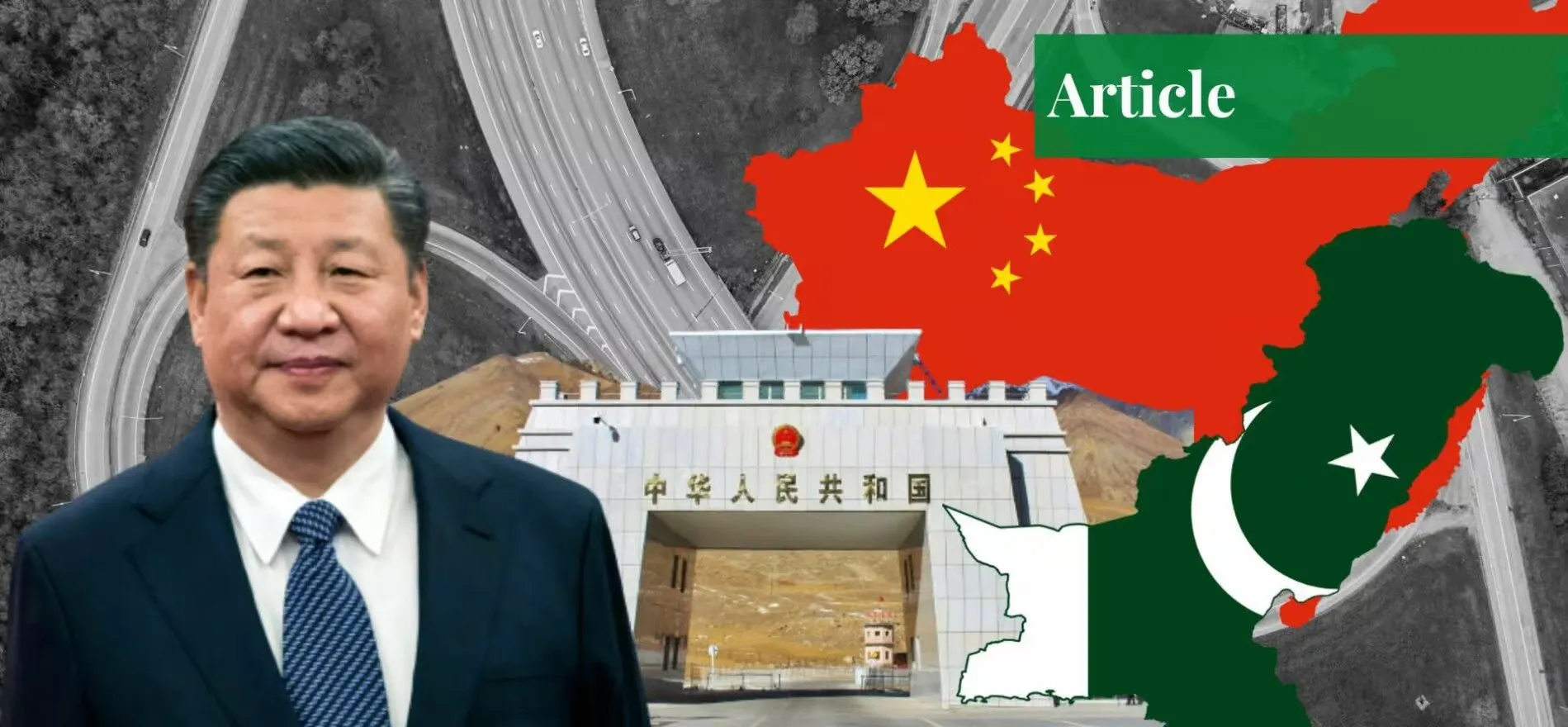
Pakistan and China are moving into a new phase of cooperation under the China-Pakistan Economic Corridor, with both sides accelerating work on advanced energy hubs designed to strengthen regional connectivity and support long-term economic growth. These hubs represent a shift from traditional infrastructure projects toward a more integrated model where transmission networks, renewable power clusters, and industrial zones operate in a coordinated system. Officials and analysts note that while CPEC has already reshaped Pakistan’s power landscape, the next wave of energy cooperation aims to build resilience, efficiency, and sustainability into the country’s wider economic framework.
The development of these new hubs comes at a time when South Asia’s energy needs are evolving, and demand for reliable, cleaner power is rapidly expanding. Pakistan’s leadership sees an opportunity to position the country as a central node in regional energy flows, especially as Central Asia, the Middle East, and western China pursue their own connectivity strategies. The alignment of these regional goals gives CPEC’s energy agenda renewed strategic importance.
Integrating renewable energy into long term planning
One of the most notable features of the new CPEC energy hubs is their emphasis on renewables. Several planned zones will combine solar, wind, and hydro power generation with modern transmission lines capable of moving electricity across provinces with much lower losses. This approach builds on lessons learned from earlier CPEC projects, where fast-tracked coal and gas plants stabilized the grid but also created long-term sustainability questions.
The current focus is to diversify the mix and integrate smart technologies that help manage fluctuating supply from renewable sources. Chinese companies with deep experience in grid digitization are working with Pakistani partners to shape systems that can forecast demand, optimize dispatch and reduce operational costs. For policymakers this marks a shift toward smarter energy governance where data and real time monitoring are as important as physical infrastructure.
Enhancing industrial growth through energy security
Energy security remains a major concern for Pakistan’s industrial sector, especially small and medium-sized enterprises that often face inconsistent power supply. The new CPEC energy hubs are being designed with industrial clusters in mind, ensuring that manufacturing centers in Gwadar, Thar, and central Punjab receive uninterrupted, affordable electricity.
Chinese planners underline that modern industrial growth depends not only on power availability but on the quality of that power. Voltage stability, grid reliability and rapid fault detection can significantly affect production efficiency. By incorporating digital monitoring systems directly into the energy hubs, CPEC aims to support industries that rely on precision manufacturing, food processing, export oriented textiles and emerging high tech sectors.
Pakistan’s business community has already begun expressing cautious optimism. Manufacturers note that if energy reliability improves, the country could better compete with regional peers and attract more investment into special economic zones connected to these power networks.
Strengthening regional and cross border energy links
Beyond domestic benefits the new CPEC energy hubs also open possibilities for Pakistan to participate actively in cross border electricity trade. Pakistan sits at the intersection of major regional energy corridors, with potential links to Afghanistan, Iran, Central Asia and western China. As these hubs expand and transmission infrastructure modernizes Pakistan could serve as a bridge between surplus regions and high demand markets.
Energy analysts point out that cross border power trade requires stable internal systems and predictable supply, both of which the new hubs seek to provide. China’s long term vision is to promote interconnected power markets across Asia, and Pakistan’s evolving energy architecture is well placed to contribute to that vision. A more connected grid could also support broader CPEC goals such as regional logistics networks, industrial cooperation and agricultural modernization.
A strategic foundation for Pakistan’s next development chapter
As Pakistan and China deepen their long standing partnership the CPEC energy hubs represent more than infrastructure. They embody a strategic roadmap that aligns economic, technological and regional ambitions. If implemented effectively these hubs could reduce energy bottlenecks, stimulate industrial growth, stabilize provincial grids and open the door to new regional partnerships.
While challenges remain, including financing complexities and security considerations, the broader framework reflects a forward looking approach. It signals that Pakistan is preparing to transition from emergency power solutions to integrated, long term planning. China’s experience with large scale energy coordination offers Pakistan valuable guidance at a time when global competition for clean and reliable power is intensifying.
The next phase of CPEC energy cooperation holds the potential to reshape how Pakistan produces, distributes and uses electricity. For policymakers and businesses alike this marks a significant step toward a more connected, resilient and competitive economic future.

