
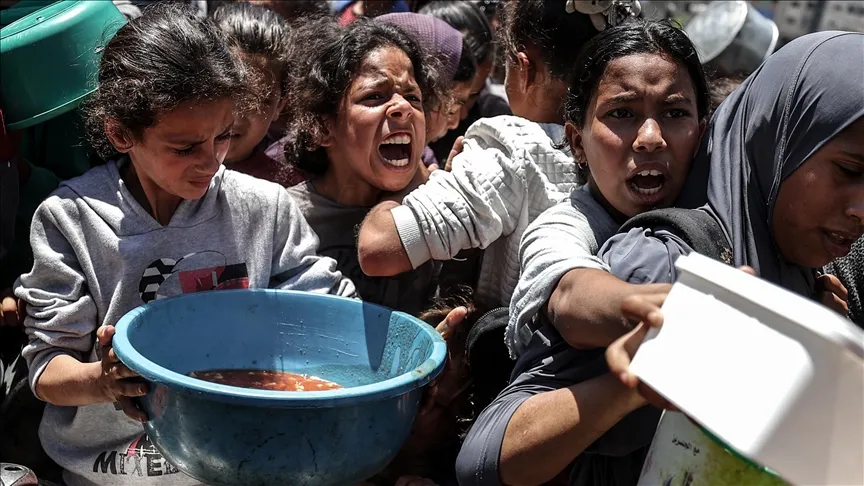
The humanitarian situation in the Gaza Strip continues to deteriorate even though a ceasefire between Israel and Hamas has been in effect since October 10. After fifty days of calm, life for the two million residents of Gaza shows little improvement. Many families are still living in tents and overcrowded temporary shelters with no sign that conditions will stabilize soon. Basic systems that people rely on, including water networks and sewage services, are breaking down. Piles of debris and waste remain scattered across neighborhoods, and blocked roads make movement and reconstruction increasingly difficult. Hospitals are also working under immense strain, facing shortages of the most essential medicines and equipment.
The Union of Municipalities in the Gaza Strip warned that the situation is becoming even more dire due to a growing fuel shortage. According to Alaa al Din al Batta, the union’s vice president, Israeli authorities have continued to prevent fuel from entering Gaza, leaving municipalities without the energy needed to operate critical services. He said that since the start of the ceasefire, local authorities have received only enough fuel for five days of operations. This has slowed road clearing, the removal of rubble, and the provision of assistance to displaced families.
Al Batta called for immediate support in the form of generators, solar power systems, spare parts, and heavy machinery. Without these, he warned, it will be increasingly difficult to sustain daily humanitarian efforts.
Hospitals face similar constraints. Bassam Zaqout, who heads medical relief in Gaza, said that health facilities are still running with the same limited supplies they had during the conflict. He noted that no significant reconstruction of damaged hospitals has taken place. Restrictions on the entry of medical delegations have worsened the shortage of doctors, medications, and laboratory tools. Health officials issued a specific warning about eye care services, saying thousands of glaucoma patients may permanently lose their sight without urgently needed equipment and medicines.
Parallel to the humanitarian crisis, violence continues. Palestinian security sources reported heavy shelling early Sunday east of the Bureij refugee camp, airstrikes near Rafah, and artillery fire targeting a home in Bani Suheila. No injuries were reported from the house strike, but health authorities said three people were killed in the past twenty four hours. They updated the death toll since October 10 to 357 with more than 900 wounded. Since October 7, 2023, the overall toll has reached 70,103 killed and 170,985 injured.
The government media office in Gaza accused Israel of hundreds of ceasefire violations, including shootings, shelling and damage to infrastructure. It appealed to the United States, mediators and the UN Security Council to intervene and ensure compliance.
Meanwhile, Gaza’s Civil Defense Authority estimates that as many as 10,000 bodies remain trapped under collapsed homes. Spokesperson Mahmoud Basal said that only one excavator has entered the territory so far, making recovery efforts painfully slow. He urged the rapid entry of more heavy equipment to help families retrieve the remains of their loved ones.

