
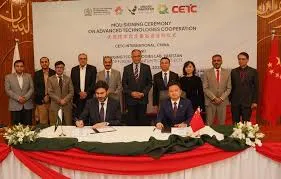
Elevating Technology in Bilateral Ties
Technology has become a central pillar in Pakistan–China relations, signaling a shift from traditional infrastructure-focused collaboration to innovation-driven partnerships. Both countries are increasingly leveraging digital platforms, industrial automation, and emerging technologies to strengthen economic ties and enhance competitiveness. Analysts note that this focus reflects a shared recognition that technology will be a key driver of sustainable growth.
Digital Infrastructure and Smart Solutions
Investments in digital infrastructure form the backbone of this evolving cooperation. Projects include fiber-optic networks, data centers, smart grids, and e-governance platforms designed to improve connectivity and efficiency. These initiatives not only facilitate business and government operations but also integrate Pakistan more effectively into regional and global technology networks, enabling broader economic participation.
Artificial Intelligence and Emerging Technologies
Emerging technologies, particularly artificial intelligence, are gaining prominence in bilateral collaboration. AI applications are being explored in areas such as healthcare, agriculture, urban management, and industry automation. Chinese expertise is helping Pakistani firms implement advanced solutions, driving efficiency, reducing costs, and enhancing competitiveness in both domestic and international markets.
Industrial Modernization and High-Tech Zones
Beyond digital services, Pakistan–China cooperation is supporting industrial modernization. Special economic zones and high-tech parks are being developed to attract investment, promote joint ventures, and encourage technology transfer. Analysts argue that integrating advanced manufacturing and automation into local industries can help Pakistan move up the value chain while creating employment opportunities.
Human Capital and Skill Development
Sustainable technology cooperation requires a skilled workforce. Training programs, workshops, and knowledge-sharing initiatives are being implemented to equip Pakistan’s youth with skills in software development, AI, data analytics, and smart manufacturing. Chinese participation in capacity-building programs ensures that Pakistan develops local expertise capable of maintaining and expanding technological initiatives independently.
Strategic and Economic Implications
Technology cooperation carries significant strategic and economic implications. By focusing on innovation, Pakistan can diversify its economy, strengthen industrial competitiveness, and reduce reliance on traditional sectors. For China, technology collaboration solidifies a long-term partnership with a key regional ally and expands its influence in emerging markets.
Challenges and Implementation Considerations
Despite the positive trajectory, challenges remain. Regulatory frameworks, data privacy, cybersecurity, and infrastructure readiness are crucial for effective implementation. Analysts stress that addressing these challenges is essential to ensure that technology cooperation delivers tangible economic and social benefits.
Conclusion
Technology has evolved into a core element of Pakistan–China relations. With a focus on digital infrastructure, AI, industrial modernization, and skill development, the partnership is entering a future-oriented phase. Effective implementation could transform Pakistan’s economic landscape, foster innovation, and strengthen long-term bilateral cooperation.

