
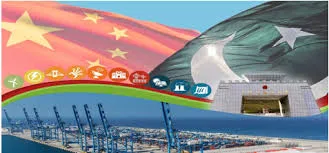
Driving Industrial Modernization
Chinese innovation is playing an increasingly important role in shaping Pakistan’s industrial future. Through technology transfer, joint ventures, and infrastructure projects, China is helping Pakistan modernize key sectors such as manufacturing, energy, agriculture, and logistics. Analysts highlight that this collaboration is enabling Pakistan to adopt advanced technologies, streamline operations, and increase productivity across industries.
Smart Manufacturing and Automation
One major area of influence is smart manufacturing. Chinese firms are introducing automation, robotics, and IoT solutions to optimize production processes. These technologies help reduce costs, improve quality, and enhance competitiveness. For Pakistan, integrating such innovations is critical for moving up the value chain and competing in regional and global markets.
Energy and Industrial Synergies
China’s expertise is also being leveraged in energy-intensive industries. Efficient energy solutions, smart grids, and sustainable practices are being incorporated into industrial projects, supporting both productivity and environmental goals. Analysts note that combining energy efficiency with technological upgrades ensures that industrial growth remains sustainable and resilient.
Skill Development and Knowledge Sharing
Technology adoption alone is not sufficient; skilled human capital is essential. Chinese firms and institutions are collaborating with Pakistani counterparts to provide training in areas such as automation, digital systems, and industrial software. These initiatives aim to build a workforce capable of managing advanced industrial systems, ensuring long-term operational success.
Integration of Digital Technologies
Beyond physical infrastructure, digital technologies are transforming industrial operations. Data analytics, predictive maintenance, and AI-driven decision-making are becoming standard practices in Chinese-supported projects. These tools allow Pakistani industries to optimize performance, anticipate challenges, and implement proactive solutions.
Expanding Industrial Parks and High-Tech Zones
Special economic zones and industrial parks are central to this industrial transformation. By attracting Chinese investment and facilitating joint ventures, these zones serve as hubs for technological innovation and industrial growth. Analysts suggest that such clusters can foster local entrepreneurship, encourage research and development, and create high-value employment opportunities.
Strategic Implications for Pakistan’s Economy
China’s innovation-driven support not only modernizes Pakistan’s industries but also strengthens bilateral strategic ties. Industrial modernization enhances economic resilience, reduces dependency on imports, and positions Pakistan as a competitive player in the regional economy. The long-term benefits extend to export growth, industrial diversification, and sustainable development.
Challenges and Path Forward
While progress is significant, challenges remain. Infrastructure gaps, regulatory clarity, and equitable access to training must be addressed to ensure the full benefits of Chinese technological support. Analysts emphasize that policy consistency and active collaboration between government, industry, and academia are critical for success.
Conclusion
Chinese innovation is reshaping Pakistan’s industrial landscape by introducing advanced technologies, modernizing operations, and developing skilled human capital. By leveraging this partnership, Pakistan has the potential to achieve sustainable industrial growth, enhance competitiveness, and build a technology-driven economy ready for the challenges of the future.

