
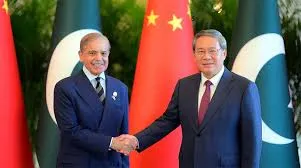
Expanding Robotics in Industry
Pakistan and China are increasingly collaborating to advance robotics and automation across industrial and commercial sectors. Chinese expertise is being leveraged to implement robotic manufacturing, automated production lines, and intelligent logistics systems. Analysts note that these initiatives are critical for enhancing efficiency, reducing operational costs, and improving competitiveness in global markets.
Smart Manufacturing and Industrial Automation
Robotics and automation are transforming traditional manufacturing in Pakistan. AI-powered robots, automated assembly lines, and IoT-integrated production systems are being introduced to optimize workflow, minimize errors, and increase output. Chinese technology and joint ventures provide the tools and training necessary for effective integration.
Agricultural Automation and Precision Farming
Automation is also being applied in agriculture, with smart machinery, drones, and sensor-based systems supporting precision farming. These technologies improve crop management, reduce labor dependency, and increase yields. Collaboration with Chinese experts ensures knowledge transfer and the adoption of best practices in modern farming techniques.
Healthcare and Service Robotics
Robotics initiatives extend beyond industry into healthcare and service sectors. AI-driven robotic systems assist in surgeries, patient care, and logistics in hospitals, improving efficiency and service quality. Analysts highlight that adopting service robotics enhances operational standards and introduces innovative solutions to critical sectors.
Capacity Building and Workforce Development
Human capital development is a cornerstone of robotics collaboration. Training programs, workshops, and academic exchanges equip Pakistani engineers and technicians with skills in robotics design, programming, and maintenance. Building local expertise ensures sustainable operation and innovation in automation technologies.
Strategic and Economic Implications
The adoption of robotics and automation strengthens Pakistan’s industrial base, supports economic modernization, and attracts foreign investment. For China, participation in these initiatives reinforces its role as a strategic technology partner and promotes long-term collaboration in high-tech sectors.
Challenges and Implementation Considerations
Challenges include infrastructure readiness, regulatory frameworks, workforce adaptation, and initial investment costs. Analysts emphasize that consistent policy support, continued training, and strategic planning are essential to maximize the benefits of robotics integration.
Conclusion
China–Pakistan cooperation in robotics and automation is reshaping industry, agriculture, and healthcare in Pakistan. By integrating advanced technologies and focusing on workforce development, the partnership is driving innovation, efficiency, and long-term competitiveness, preparing Pakistan for a technologically advanced future.

