
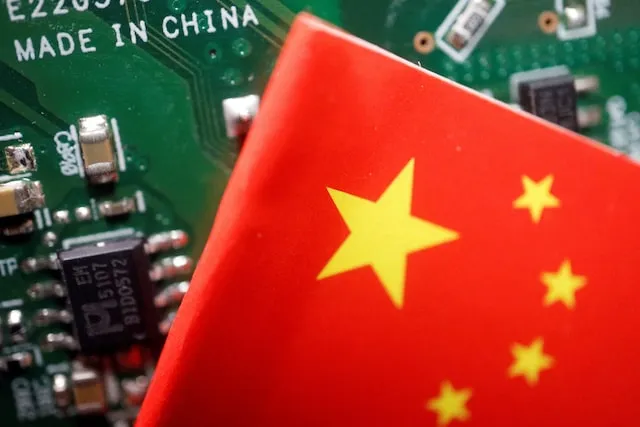
China has voiced firm opposition to proposed United States tariffs on Chinese semiconductor products, warning that continued pressure on its technology sector could trigger countermeasures. The response reflects rising tension between the world’s two largest economies as competition over advanced technology deepens.
Speaking at a regular press briefing, China’s foreign ministry criticised what it described as the indiscriminate use of tariffs and the unreasonable suppression of Chinese industries. Officials said such measures undermine normal trade relations and distort global supply chains that rely heavily on cooperation across borders.
Beijing urged Washington to reverse what it called misguided policies and return to dialogue. The foreign ministry added that China would take necessary steps to protect its legitimate interests if the United States presses ahead with the planned tariffs. While no specific retaliatory actions were outlined, the comments suggest that trade friction could intensify in the coming months.
Semiconductors sit at the centre of the broader economic and strategic rivalry between China and the United States. Chips are essential for everything from consumer electronics and electric vehicles to artificial intelligence and military systems. Restrictions on chip trade and technology access have become a key tool in the wider struggle for technological leadership.
US officials argue that tariffs and controls are needed to protect national security and domestic manufacturing. China, however, sees the measures as an attempt to slow its industrial development and limit its role in high value global supply chains. Beijing has repeatedly warned that politicising trade risks harming businesses and consumers on both sides.
The dispute comes at a time when China is accelerating efforts to strengthen its domestic semiconductor industry. Investment in chip design, manufacturing, and equipment has increased sharply as the country seeks to reduce reliance on foreign suppliers. Analysts say additional US tariffs could further encourage China to push harder for self sufficiency.
Markets are watching closely for signs of escalation. Any prolonged dispute over chips could ripple through global electronics production, affecting prices and availability worldwide. For now, China’s message is clear. It opposes new tariffs, calls for policy changes, and is prepared to respond if pressure continues.

