
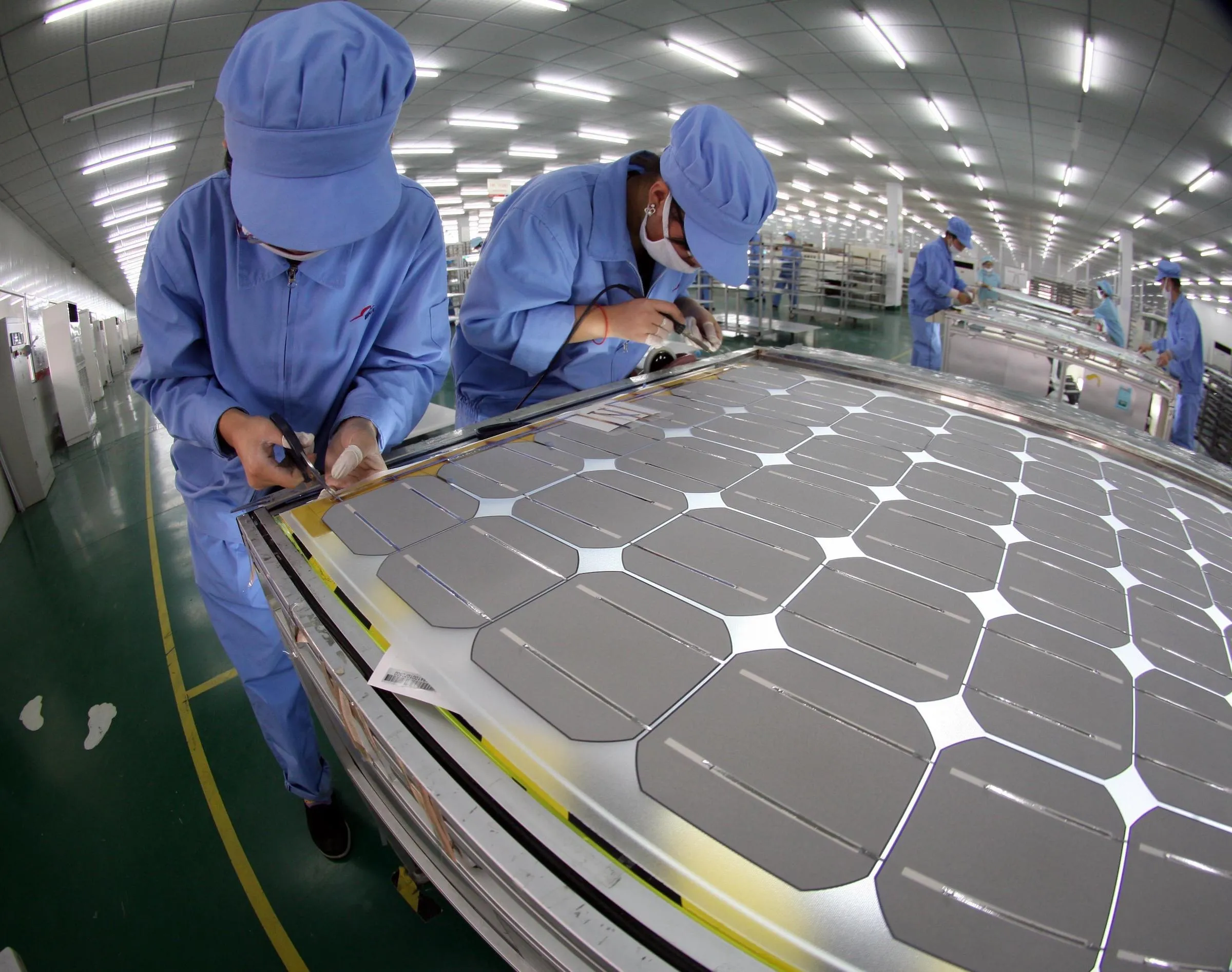
China has formally launched a trade dispute against India at the World Trade Organization, escalating economic tensions between Asia’s two largest economies. The case targets India’s policies on solar cells, solar modules, and information technology goods, which Beijing says unfairly discriminate against Chinese products.
According to the WTO, China has requested dispute consultations with India, the first formal step in the organisation’s dispute settlement process. Chinese officials argue that India’s tariff structures and industrial policies breach international trade rules by favouring domestic manufacturers at the expense of foreign suppliers.
At the centre of the complaint are measures that allegedly make market access conditional on the use of locally produced inputs. China claims these rules disadvantage imported solar equipment and IT products, effectively shutting Chinese firms out of key segments of the Indian market. Such practices, Beijing argues, run counter to WTO principles of non discrimination and equal treatment.
India has invested heavily in expanding domestic manufacturing, particularly in renewable energy and technology hardware, as part of its broader industrial strategy. Solar energy is a flagship sector, with the government pushing to reduce dependence on imports and strengthen local supply chains. China, however, remains one of the world’s largest producers of solar components and sees the restrictions as a direct threat to its export interests.
The dispute comes at a time when global trade tensions are already elevated, with many countries using tariffs and local content rules to protect strategic industries. For China and India, the case adds another layer of strain to a relationship shaped by economic rivalry as well as political and border disputes.
Under WTO procedures, the two sides now have a limited window to hold consultations and attempt to resolve the matter through dialogue. If those talks fail, China could request the establishment of a dispute panel, potentially leading to a binding ruling.
Analysts say the case highlights a wider challenge facing the global trading system. As countries pursue green transitions and technological self reliance, conflicts over industrial policy are becoming more frequent. The outcome of the China India dispute could set an important precedent for how far governments can go in supporting domestic industries without breaching international trade rules.

