
Rising tension around sensitive security claims
Diplomatic efforts to end the conflict in Ukraine faced renewed strain after Russian officials alleged an attempted attack on a presidential residence linked to Vladimir Putin. According to the Kremlin, the incident took place in Russia’s Novgorod Region and involved a large scale drone operation. While authorities reported no casualties or physical damage, the political implications were immediate, signaling a potentially tougher phase in ongoing negotiations.
Kremlin links incident to negotiation pressure
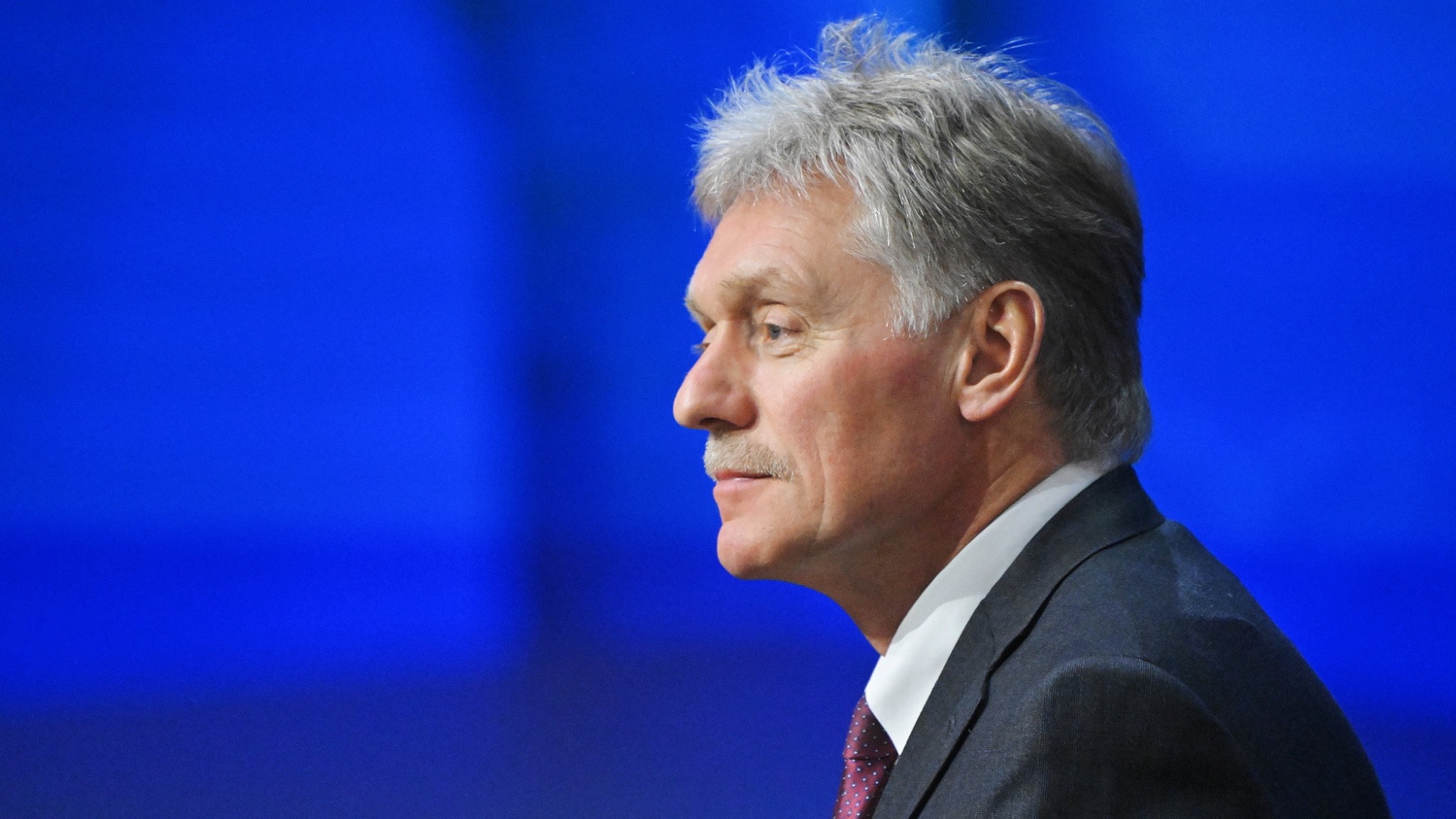
Kremlin spokesperson Dmitry Peskov told reporters that the alleged incident would inevitably harden Russia’s negotiating position. He argued that such actions appear designed to disrupt diplomatic momentum rather than advance peace. Despite this, Peskov stressed that Moscow is not withdrawing from talks and continues to view dialogue as necessary, even as it reassesses its posture.
Ukraine firmly rejects the accusation
Ukrainian President Volodymyr Zelenskyy strongly denied any involvement in the alleged attack. He described the claim as misinformation and part of a broader pattern of false narratives from Moscow. Kyiv’s response reflects the deep mistrust between the two sides, where competing versions of events frequently complicate diplomatic engagement and public understanding of the conflict.
Details from Russia’s defense narrative
Russian Foreign Minister Sergei Lavrov added further detail by stating that Ukraine had launched 91 long range strike drones overnight. According to Russian officials, all drones were intercepted by air defenses, and no damage was reported at the site. While the claim underscores Russia’s emphasis on security readiness, independent verification remains limited, adding another layer of uncertainty to the situation.
The role of the United States in ongoing talks
Despite the heightened rhetoric, Russia has emphasized that communication channels remain open, particularly with the United States. Peskov noted that dialogue continues primarily through U.S. engagement, underscoring Washington’s central role as an intermediary. This positioning reflects Moscow’s view that any viable settlement will require broader international involvement rather than purely bilateral talks with Kyiv.
Diplomatic signals from Washington and Kyiv
Momentum toward negotiations appeared to grow after U.S. President Donald Trump met with Zelenskyy at his Mar a Lago residence in Florida. Trump publicly suggested that both sides were moving closer to a potential peace agreement. These remarks contrast with the escalating language from Moscow, highlighting the fragile and uneven nature of diplomatic progress.
A fragile path forward
The alleged attack and its disputed details illustrate how quickly security incidents can reshape diplomatic tone. While Russia insists it will remain engaged in talks, its warning of a tougher stance suggests less flexibility in the near term. As accusations and denials continue, the challenge for negotiators lies in preventing escalation from overtaking diplomacy. The coming weeks may determine whether dialogue can withstand rising tension or give way to deeper confrontation.

