
Annual approval brings stability to sensitive semiconductor operations
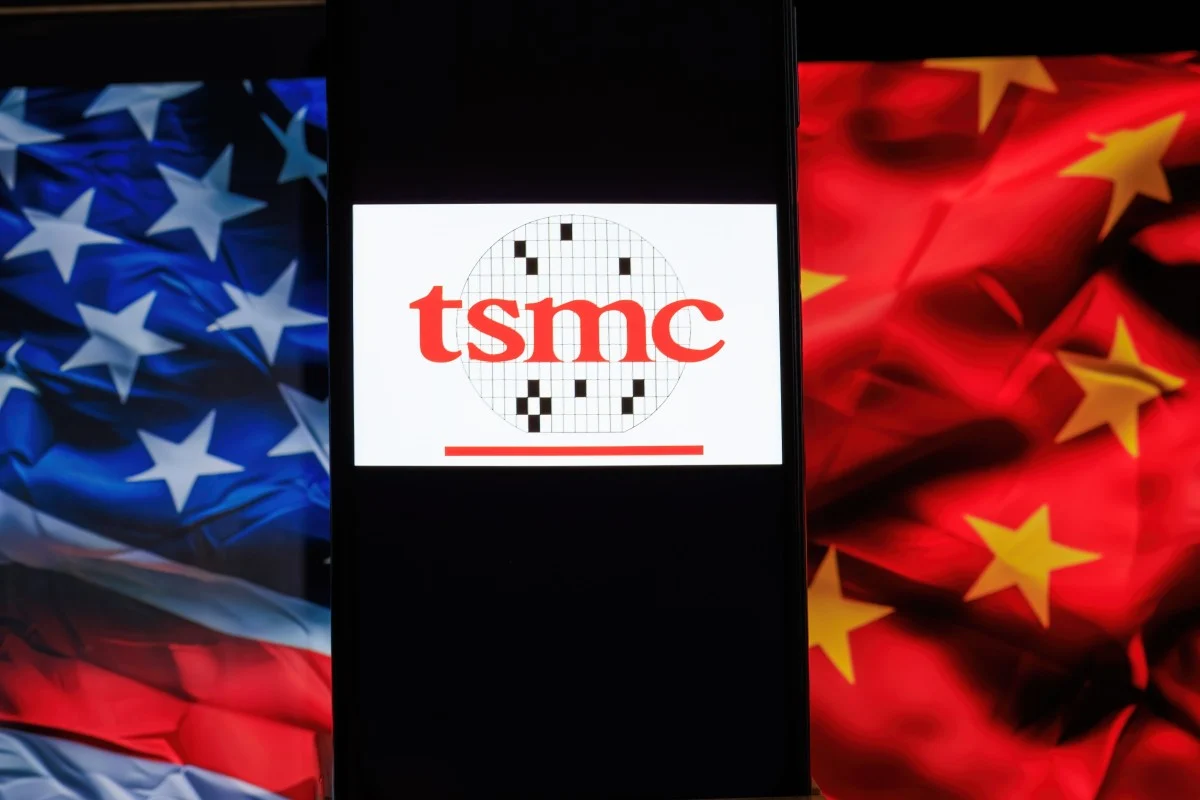
The United States has granted an annual licence allowing Taiwan Semiconductor Manufacturing Co to import American chip manufacturing equipment into its fabrication plant in Nanjing, a move that highlights a more pragmatic approach to managing technology restrictions. According to the company, the approval ensures uninterrupted operations and continued product deliveries from its facility in eastern China, easing concerns over supply disruptions that have loomed over the semiconductor industry.
Why the Nanjing fab matters to global supply chains
TSMC’s Nanjing plant plays a focused but important role in the company’s global manufacturing network. While it does not produce the most advanced chips, it supports mature process nodes that remain essential for industries such as automotive electronics, industrial equipment, and consumer devices. Disruptions at this facility would ripple through supply chains already strained by years of shortages and geopolitical uncertainty. The licence therefore helps maintain stability in segments that underpin everyday technology products worldwide.
A controlled approach to export restrictions
The licence reflects Washington’s attempt to balance national security concerns with economic reality. US export controls have sought to limit China’s access to cutting edge semiconductor capabilities, yet a complete shutdown of equipment flows would carry significant costs for global firms and allied economies. By issuing time limited licences, regulators retain oversight while avoiding abrupt shocks to production. This approach signals that enforcement is becoming more targeted rather than broadly restrictive.
Industry wide implications beyond TSMC
TSMC is not the only beneficiary of this policy. South Korea’s Samsung Electronics and SK Hynix have also received similar approvals to import American tools into their China based facilities. Together, these licences suggest that the US is willing to accommodate the operational needs of trusted global manufacturers, even as strategic competition with China continues. For the industry, this consistency reduces uncertainty and supports longer term planning.
Investor confidence and market signaling
From a market perspective, the licence sends a reassuring signal to investors. Semiconductor manufacturing relies on long investment cycles, and regulatory unpredictability can delay or cancel major capital commitments. Annual approvals provide a clearer planning horizon, enabling companies to manage inventories, maintenance schedules, and customer contracts with greater confidence. This stability is particularly important as demand patterns normalize following the boom and correction cycles of recent years.
Limits remain on advanced technology
Despite the positive implications, the licence does not represent a relaxation of all controls. Restrictions on the most advanced manufacturing tools and processes remain firmly in place. The approval applies to existing facilities and established production lines, not to the expansion of leading edge capabilities within China. This distinction underscores the continued emphasis on containing technological advancement while allowing legacy operations to function.
What this means for future policy direction
Looking ahead, annual licensing may become a standard mechanism for managing semiconductor trade under geopolitical tension. It allows governments to reassess risks regularly while providing companies with conditional access to essential equipment. For TSMC and its peers, the arrangement highlights the importance of compliance, transparency, and close coordination with regulators on both sides of the Pacific.
A cautious but constructive step forward
Ultimately, the US decision reflects a cautious but constructive step toward managing a complex global industry. By permitting controlled equipment imports, policymakers are acknowledging the interconnected nature of semiconductor supply chains. While strategic rivalry remains a defining feature of the landscape, pragmatic measures like this licence help prevent disruption and support the steady functioning of a sector that underpins the modern digital economy.

