
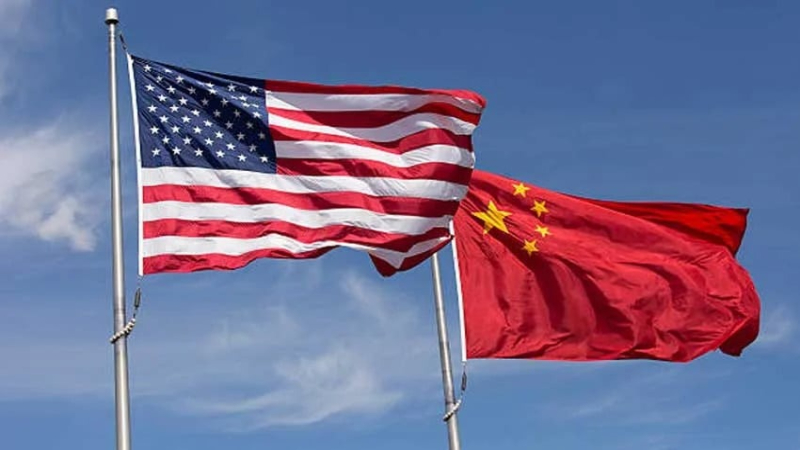
China has cautioned European countries against excessive reliance on the United States, urging greater strategic independence amid growing geopolitical uncertainty. Responding to questions surrounding the Greenland issue, Chinese Foreign Ministry spokesperson Guo Jiakun stated that China has no intention of competing for influence in the region and remains committed to engaging all nations on the basis of respect and equality. He emphasized that Beijing seeks to act as a stabilizing and constructive force in global affairs rather than exploiting emerging disputes. The remarks came as discussions surrounding Greenland intensified following renewed attention from Washington, prompting unease among European policymakers. Chinese officials stressed that divisive approaches and bloc based politics risk undermining global stability, calling instead for dialogue and cooperation that reflect a more balanced international order.
The comments followed renewed controversy after Donald Trump reiterated interest in acquiring Greenland, a move that unsettled European capitals and raised concerns within NATO. European leaders have expressed fears that such proposals could disrupt transatlantic security arrangements and deepen trade frictions with the United States. Chinese state media outlets used the episode to question Europe’s long standing dependence on Washington for defense and strategic decision making. Editorials argued that the situation illustrates the risks of overreliance on a single partner and called on Europe to reassess its security framework. Analysts noted that the debate has revived long running discussions about Europe’s ability to act independently in an increasingly fragmented geopolitical environment.
Chinese commentary further highlighted what it described as Europe’s limited engagement with alternative partners, including China and Russia, suggesting that broader cooperation could better protect European interests. According to these assessments, the Greenland controversy underscores the importance of diversification in diplomatic and economic relations, particularly as global power dynamics continue to shift. While acknowledging European concerns over security and trade, Beijing rejected claims that it seeks to benefit from tensions between Europe and the United States. Guo reiterated that China opposes unilateral pressure and advocates mutually beneficial cooperation. He warned that framing global politics in zero sum terms could deepen divisions and weaken collective responses to shared challenges such as economic volatility and regional conflicts.
Within Europe, the situation has sparked renewed debate over future security and defense arrangements. Officials within the European Union have voiced concerns that potential US tariffs and unpredictable policy shifts could accelerate changes in global alliances. Observers suggest that the Greenland issue may prompt Brussels to explore new diplomatic and defense partnerships beyond traditional transatlantic ties. Analysts believe Europe’s reassessment could gradually reshape its external relations, emphasizing autonomy and diversified cooperation. China’s messaging aligns with its broader push for multipolar engagement, positioning itself as a proponent of dialogue and balance while avoiding direct confrontation. The evolving debate reflects wider questions about Europe’s role in a changing international order.

