
China is placing artificial intelligence at the center of its economic and technological strategy as policymakers push for deeper AI integration across industries. The priority was highlighted during the country’s annual legislative gathering where leaders discussed the role of advanced technologies in shaping the next phase of national development. Artificial intelligence is increasingly viewed as a core driver of productivity innovation and industrial transformation. As global competition in advanced technologies intensifies China is focusing on expanding domestic AI capabilities while accelerating the adoption of intelligent systems across key sectors of its economy.
Chinese policymakers believe artificial intelligence can play a major role in modernizing traditional industries while creating new opportunities in emerging sectors. AI technologies are being applied in areas such as healthcare energy manufacturing and transportation to improve efficiency and support data driven decision making. By integrating advanced algorithms into industrial systems companies are able to enhance production processes reduce operational costs and develop smarter infrastructure. The government views large scale AI deployment as essential for strengthening economic resilience and maintaining competitiveness in global technology markets.
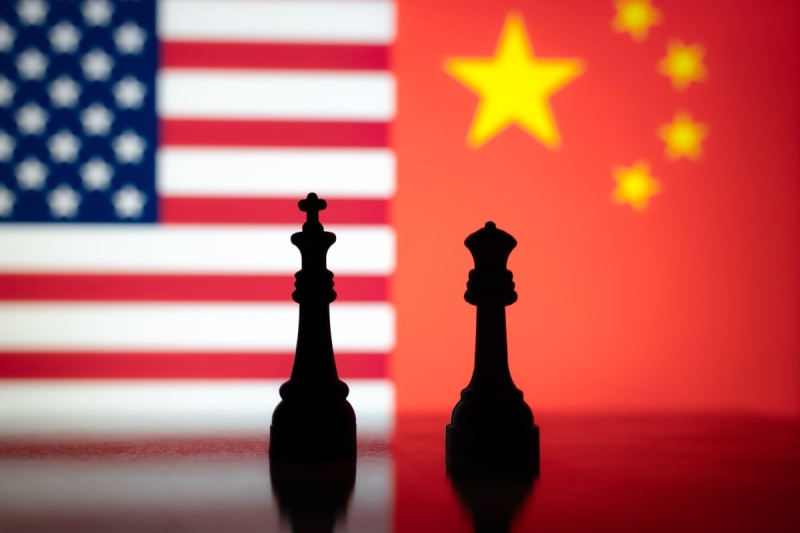
The push for artificial intelligence development has also been influenced by increasing technological competition between China and the United States. Over the past several years the US has introduced measures aimed at limiting China’s access to advanced semiconductor technologies used in high performance computing and AI systems. Restrictions on the export of advanced chips have encouraged Chinese companies and research institutions to accelerate efforts toward domestic technological self reliance. These developments have reinforced Beijing’s determination to strengthen its domestic innovation ecosystem.
Chinese technology firms have responded by investing heavily in research and development while exploring alternative technological approaches. One notable trend has been the expansion of open source AI development models which allow developers and researchers to collaborate more freely. Open source strategies have enabled Chinese companies to rapidly distribute their AI models across global markets and encourage wider experimentation with new applications. This approach has helped accelerate the pace of innovation while supporting broader adoption of artificial intelligence technologies across different industries.
In recent years several Chinese technology startups have attracted global attention for breakthroughs in artificial intelligence research. These companies have developed advanced language models and machine learning systems that demonstrate significant progress in computational capabilities. Their success has strengthened confidence in China’s growing AI ecosystem and highlighted the potential for domestic companies to compete with global technology leaders. Government support for innovation combined with strong investment from the private sector has played an important role in driving these advancements.
Looking ahead China is expected to expand its efforts to integrate artificial intelligence into national development strategies through upcoming economic planning frameworks. Policymakers are focusing on building stronger digital infrastructure improving research collaboration and encouraging technological entrepreneurship. By embedding AI technologies into industrial systems and public services China aims to create a more advanced digital economy capable of supporting long term economic growth while navigating an increasingly competitive global technology environment.

