
Background of CPEC and BRI
CPEC and Pakistan-Afghanistan Relations now intersect less through slogans and more through route security, border management, and trade continuity tied to the Belt and Road Initiative. The corridor’s logistics logic is simple: infrastructure only earns returns when cargo moves predictably, and that predictability is shaped by what happens along Pakistan’s western frontier. As Islamabad upgrades ports, roads, and energy nodes, Afghanistan sits beside the most vulnerable stretch of the overland ecosystem, where disruptions can raise insurance costs and delay timetables. Recent reporting has framed Beijing’s interest as pragmatic risk reduction rather than ideological alignment, with CPEC and BRI treated as long-duration investments that cannot be insulated from neighboring instability. That reality makes Afghanistan’s posture a factor in project confidence.
China’s Mediation Efforts
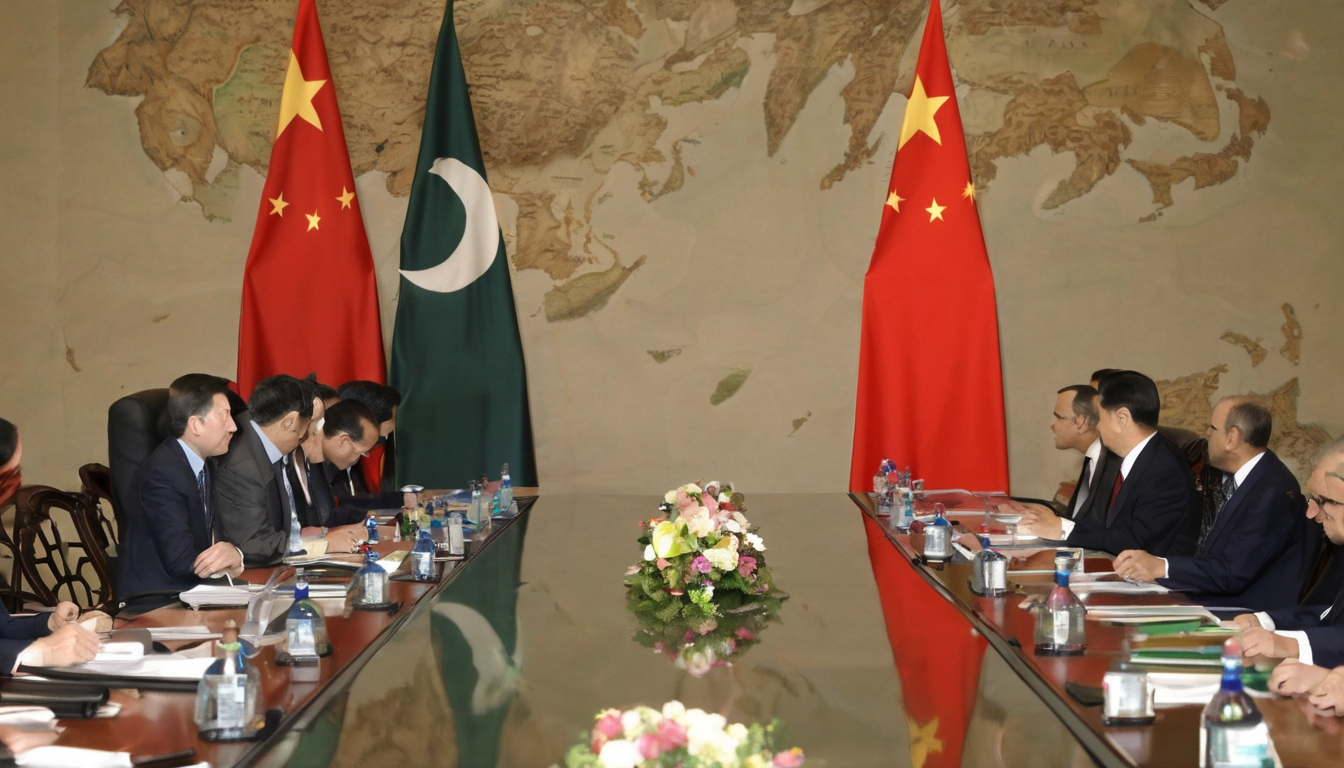
China mediation has become a working tool in regional diplomacy, with Beijing seeking narrower, results-first understandings between Pakistan and Afghanistan on issues that directly affect corridor security. The dynamic resembles crisis management more than grand reconciliation: reduce border flare-ups, keep trade arteries open, and build minimal coordination against threats that target Chinese and Pakistani interests. Accounts in The Week’s analysis of Beijing’s mediation calculus emphasize China’s preference for quiet, transactional engagement that avoids taking ownership of either side’s domestic politics. That approach also benefits Beijing’s wider BRI narrative, where stability is presented as a shared regional good. For Pakistan, China’s presence can help move talks from blame to deliverables; for Afghanistan, it offers economic relevance without formal recognition debates.
Security Concerns in the Region
Security concerns are the hard edge of this relationship, because militant violence and cross-border accusations can erode the viability of transport and energy corridors overnight. Beijing’s sensitivity is heightened by prior attacks on Chinese nationals and facilities in Pakistan, which makes the western border a strategic variable rather than a peripheral one. Pakistan argues that sanctuaries and movement networks across the frontier must be addressed; Afghanistan resists being framed as the sole source of instability and often counters with its own grievances. The pressure point is that both states can lose economically even when they “win” rhetorically, because disruption discourages contractors and raises the price of doing business. In that context, Beijing’s interest aligns with Pakistan’s push for enforceable commitments and verification mechanisms rather than aspirational statements.
Potential Outcomes of Mediation
The most plausible outcomes of mediation are measurable de-escalation steps that protect commerce: more predictable border procedures, communication channels that prevent incidents from spiraling, and security coordination that focuses on specific threat vectors. If those outcomes materialize, CPEC could translate into a practical incentive structure, where smoother Afghan-Pakistani coordination supports transport connectivity and makes ancillary trade more attractive. The corridor’s broader narrative of connectivity is already being tested by shifting trade dynamics, and Pakistan has highlighted the need for dependable inland routes through its own planning and messaging, including coverage of how the corridor’s energy and transport links are being positioned for resilience. Mediation success would not erase disputes, but it could lower the operating temperature enough to keep projects bankable and timelines credible.
Future of Regional Diplomacy
Future regional diplomacy around Pakistan and Afghanistan will be judged by whether it delivers stability dividends that investors and border communities can feel, not by summit optics. Beijing’s model prioritizes risk management for BRI assets, while Islamabad seeks strategic depth in the form of reduced cross-border threats and expanded trade. Kabul, facing constraints and legitimacy challenges, gains leverage by offering cooperation that unlocks transit and revenue. The diplomatic center of gravity is thus likely to remain security-first, with economics used as reinforcement rather than a substitute. Analysts tracking Chinese overseas exposure note that strategic shipping and overland corridors are increasingly treated as a single risk map, and Pakistan’s own corridor narrative is evolving alongside that scrutiny, as seen in discussion of the long-term partnership framing. The path forward is incremental, with enforcement and verification shaping credibility.

