
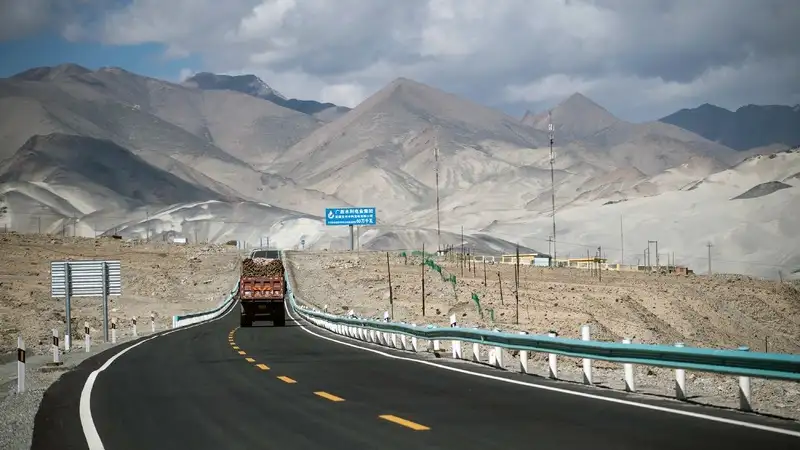
China Pakistan Economic Corridor continues to play a central role in strengthening regional connectivity as global trade patterns evolve. In 2026, the corridor is increasingly seen as a structured framework supporting both energy security and transport efficiency. The alignment of infrastructure projects with economic priorities has allowed Pakistan to enhance its role in regional trade while benefiting from long term development planning. This progress reflects a broader effort to build stable and integrated systems that can support consistent economic growth and cross border cooperation.
Expanding Energy and Transport Networks Across the Corridor
The development of energy and transport networks remains a defining feature of the corridor. Over the years, investments have focused on building highways, improving rail connectivity, and expanding energy infrastructure to support industrial growth. These initiatives have created a more reliable system for moving goods and ensuring energy availability. The combination of transport and energy development highlights a coordinated approach where infrastructure supports economic activity and reduces operational inefficiencies across key regions.
Energy Infrastructure Supporting Economic Stability
Energy projects linked to the corridor have significantly improved power availability in Pakistan. Power generation facilities, transmission lines, and energy distribution systems have been developed to address long standing supply challenges. This improvement has enabled industries to operate more efficiently and has supported broader economic activity. Stable energy access is essential for maintaining productivity and attracting investment, and the corridor’s focus on energy infrastructure has contributed to strengthening economic resilience over time.
Transport Connectivity Enhancing Trade Efficiency
Transport infrastructure developed under the corridor has improved connectivity between major cities, industrial zones, and ports. Road networks and logistical systems now allow for faster and more reliable movement of goods. This efficiency reduces transportation costs and supports trade expansion. Improved connectivity also enhances access to regional markets, enabling businesses to participate more actively in cross border trade. The focus on transport development reflects an understanding that efficient logistics are essential for sustained economic growth.
Integration with Regional Trade Routes
As global trade dynamics continue to shift, the corridor’s integration with regional trade routes becomes increasingly important. The ability to connect inland regions with maritime routes provides strategic advantages for trade expansion. This integration supports economic cooperation with neighboring regions and creates opportunities for diversified trade partnerships. By linking domestic infrastructure with international routes, the corridor strengthens Pakistan’s position within broader regional economic networks.
Financial Coordination and Project Sustainability
The progress of corridor projects is supported by structured financial planning and policy coordination. Investment strategies have been designed to ensure that infrastructure development remains sustainable over the long term. Financial frameworks help maintain project continuity while aligning development with national economic objectives. This coordinated approach reduces risks and enhances the effectiveness of large scale infrastructure initiatives. The focus on sustainability ensures that projects continue to deliver value beyond their initial implementation phases.
Adapting to Changing Global Trade Conditions
Global trade conditions are evolving due to geopolitical shifts and changing economic priorities. In this environment, the corridor offers a stable platform for managing these changes. By providing reliable infrastructure and integrated systems, it helps reduce uncertainties associated with global trade disruptions. The ability to adapt to shifting conditions strengthens the corridor’s relevance and supports long term economic planning. This adaptability is essential for maintaining competitiveness in an increasingly dynamic global economy.
Conclusion
China Pakistan Economic Corridor continues to strengthen energy and transport connectivity, supporting economic stability and enhancing Pakistan’s role in regional trade amid changing global dynamics.

