
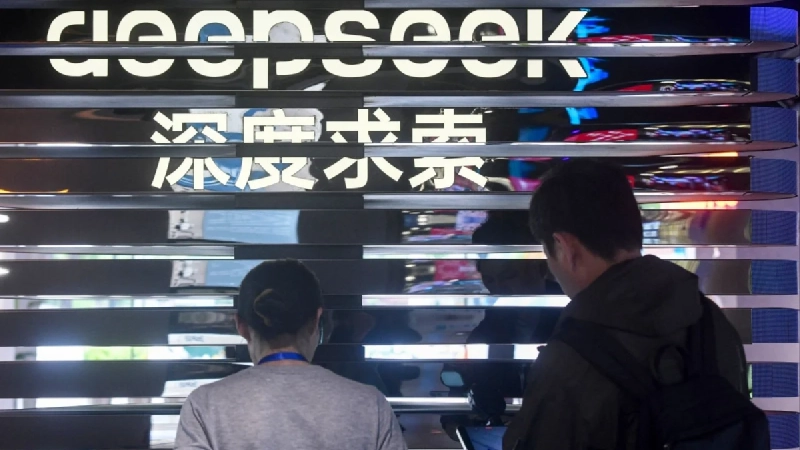
Chinese artificial intelligence company DeepSeek experienced a major service disruption that lasted nearly 12 hours, leaving a large portion of its user base unable to access its chatbot platform and related services. The outage began late Sunday and continued into Monday morning, affecting both the company’s website and mobile applications. The incident triggered widespread complaints from users across China, many of whom rely on the platform for daily tasks, highlighting the growing dependence on AI tools in both professional and personal environments.
According to company updates, DeepSeek worked overnight to resolve the issue, implementing a series of fixes between early morning hours and mid morning. Service gradually returned, with functionality largely restored by around 9am, followed by confirmation that the issue had been resolved shortly afterward. While the company did not immediately disclose the root cause, it indicated that internal teams were continuing to monitor system performance to ensure stability. The disruption drew attention due to the platform’s scale, with hundreds of millions of users reportedly impacted during the downtime.
The outage comes at a time when competition in China’s AI sector is rapidly intensifying, with multiple companies racing to expand their presence in the generative AI space. As demand for advanced chatbot services grows, reliability has become a key factor influencing user trust and platform adoption. Analysts note that even temporary disruptions can push users to explore alternatives, especially in a market where several competing services offer similar capabilities and are continuously improving performance and features.
User reactions on social platforms reflected frustration with the sudden loss of access, particularly among those who rely on the service for productivity, research and communication tasks. Some users reported disruptions to workflows and delays in completing assignments or business activities. The incident has also raised broader questions about infrastructure resilience and scalability, especially as AI platforms handle increasingly large volumes of real time data and user interactions.
Industry observers suggest that outages of this scale can have reputational implications, particularly in a highly competitive environment where trust and consistency are critical. Rival platforms may benefit from temporary shifts in user behavior, gaining traction as users seek more reliable alternatives. At the same time, such incidents often prompt companies to accelerate investments in system robustness, cloud infrastructure and redundancy measures to prevent similar disruptions in the future.
The rapid resolution of the issue indicates that DeepSeek’s technical teams were able to respond effectively, but the incident underscores the challenges faced by fast growing AI platforms. As the company continues to expand its user base and capabilities, maintaining consistent service performance will be essential to sustaining growth. The broader AI industry in China is expected to evolve quickly, with reliability, innovation and user experience shaping the competitive landscape in the months ahead.

