
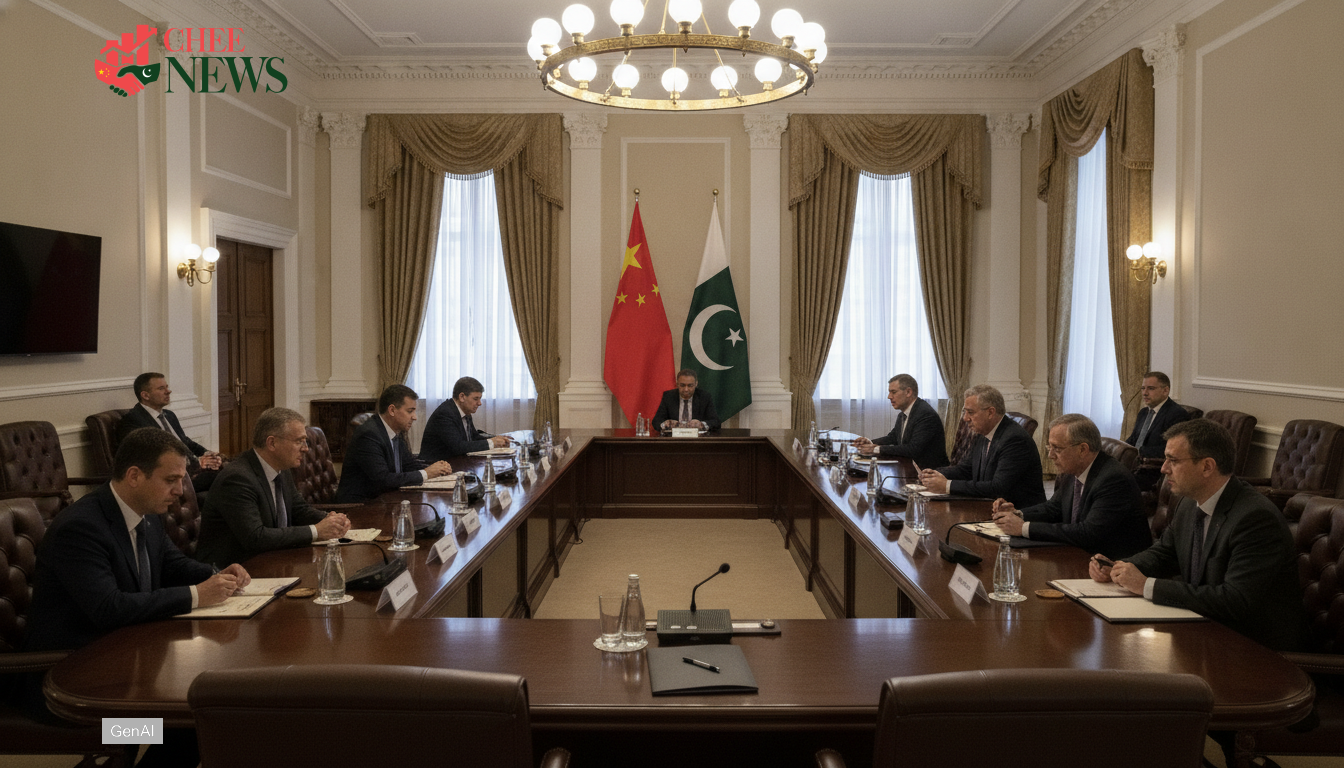
CPEC and China’s official statement on nuclear status
CPEC planners are closely examining Beijing’s latest messaging on nuclear recognition and its implications for regional risk. According to available reports from Dawn, China expressed that it does not recognise Pakistan and India as nuclear powers, emphasizing its preference for the Treaty on the Non-Proliferation of Nuclear Weapons framework. In Islamabad, officials argue the economic track should remain insulated, with corridor timelines tied to energy, logistics, and industrial delivery rather than diplomatic disputes. Both capitals are carefully calibrating language to avoid widening the dispute. For businesses, the immediate takeaway is intent and clarity, not escalation, because the comment was framed as a formal position rather than an operational change.
What the stance means for CPEC risk and investor signals
The broader market question concerns whether diplomatic shifts could affect financing costs, insurance terms, or slow approvals for corridor projects. Since 2013, CPEC has been presented as a long-term connectivity and industrial plan, so investors tend to focus on administrative signals like border processing, licensing, or payment cycles, not rhetoric alone. China’s nuclear framing, as indicated by Dawn, aligns with multilateral wording choices rather than introducing a new set of tools. Policymakers in Islamabad and New Delhi might prioritize disciplined messaging and crisis communication to keep commercial channels predictable.
CPEC delivery track and China-Pakistan coordination
In Pakistan, officials focus on ensuring China-Pakistan coordination remains directed towards deliverables such as power reliability, port throughput, and industrial zone readiness. The nuclear recognition line is handled as a separate diplomatic channel, while the economic channel continues with sequencing, procurement, and contractor management. Within that framework, CPEC managers stress predictable dispute resolution and payment schedules to reassure vendors working across energy and transport packages. For a detailed pipeline view, see China Pakistan Economic Corridor: projects and trade. Operational risks hinge on whether approvals slow, not whether statements circulate.
Diplomatic responses and separation from corridor operations
Public diplomatic reactions have centered around process and language, with most capitals avoiding actions that harden positions. Analysts in Islamabad advocate for consistent crisis communication protocols, while Indian officials have historically resisted external treaty-based framing of status. For corridor stakeholders, it is crucial that external partners often separate nuclear diplomacy from trade facilitation unless sanctions, export controls, or banking compliance rules change, which is evident in how Pakistan continues economic coordination, including legislative and cultural signalling, as described in Sindh Assembly marks 75 years of Pak-China friendship. In private briefings, diplomats often emphasize stability around maritime routes and overland transit as perceived risk can raise freight premiums. Dawn’s remarks did not point to immediate instruments that would directly alter CPEC execution.
The path forward for CPEC under ongoing nuclear dialogue
Future developments will hinge on whether Beijing, Islamabad, and New Delhi route nuclear dialogue through formal venues rather than reactive exchanges. This diplomacy relies on language preserving deterrence while reducing miscalculation risk, making careful phrasing crucial. For CPEC implementers, the agenda remains focused on customs efficiency, grid integration, and worksite security protocols, allowing progress even when political messaging tightens elsewhere. The business community continues to monitor export licensing, banking compliance, and technology transfer signals. Dawn’s reporting framed China’s position as recognition language, leaving room for back-channel engagement without public concessions. If indicators remain stable, corridor construction and services trade can continue to maintain momentum through the current cycle.

