
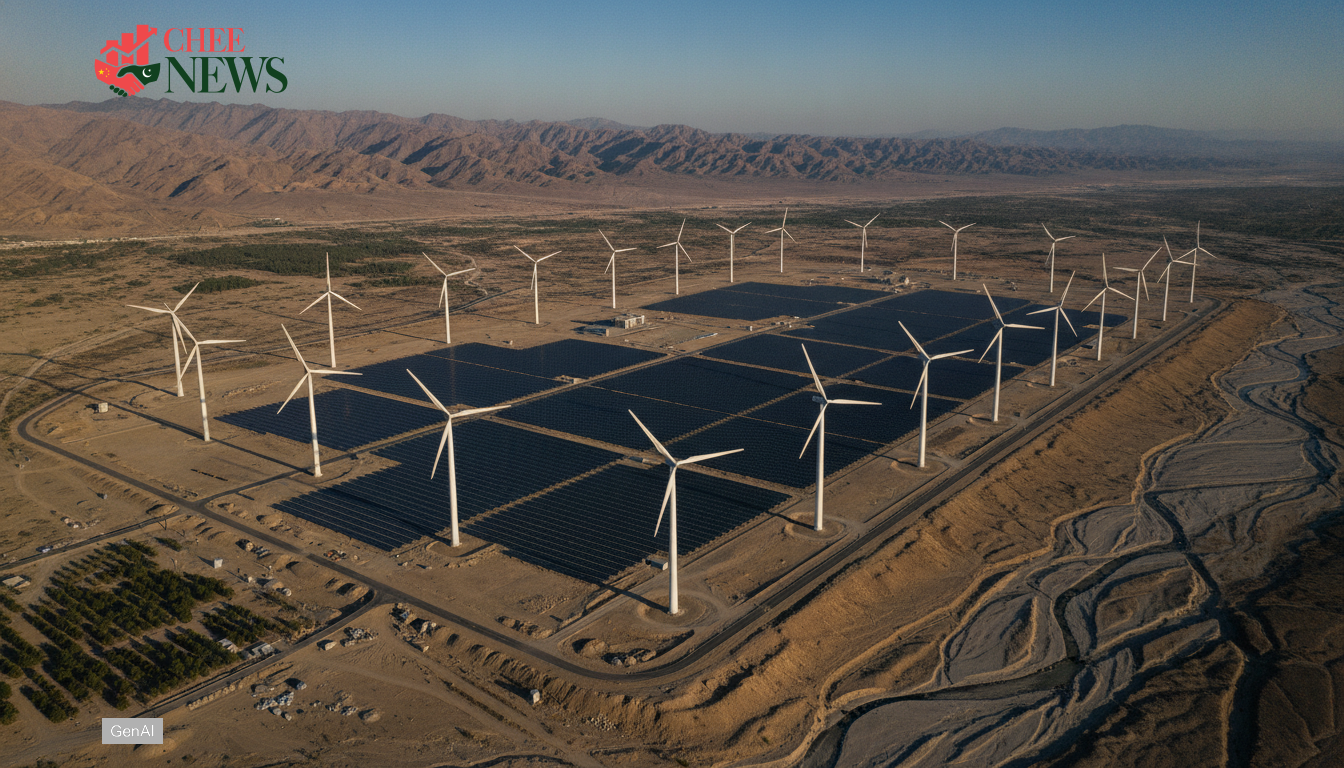
Pakistan energy projects and power planning priorities
Pakistan energy projects are increasingly framed by policymakers as a way to stabilise supply, limit exposure to fuel price volatility, and support industrial output. Pakistan is widely described as exposed to imported oil and LNG, so energy planners often prioritise firm capacity, grid reliability, and reduced losses that can affect the import bill and inflation. In 2024 and 2025, analysts and market coverage frequently pointed to global price swings and regional tensions as factors that can raise disruption risk for import-dependent economies. Against this backdrop, officials and sector observers say Islamabad is weighing project selection, dispatch reforms, and financing terms alongside diplomatic and security considerations, and Pakistan energy projects are assessed against constraints that can shift quickly. The stated aim is to improve electricity reliability for households and export industries while reducing budget pressure linked to volatile fuel costs and capacity payments.
Why Pakistan energy projects matter for China economic ties
Energy cooperation remains a core layer of the China partnership within the bilateral agenda, particularly where it overlaps with CPEC-linked assets and industrial planning. In that context, China Pakistan Economic Corridor: projects and trade outlines how power and connectivity are treated as mutually reinforcing in corridor planning, and Pakistan energy projects are often discussed in the same corridor framing. Pakistan’s government has repeatedly presented energy development as a prerequisite for export growth, while Chinese participation is often characterised in official messaging as long term and system wide rather than purely transactional. Policy discussion also tracks technology and financing constraints tied to geopolitics, including Chinese tech investment curbs widen via Pentagon blacklist.
Security and regional risks shaping project execution
Execution may be constrained by grid bottlenecks, payment discipline issues, and the cost of imported fuels, all of which can affect project bankability and dispatch decisions, according to sector commentary and recurring policy debate. The Ministry of Energy has repeatedly emphasised loss reduction and improved collections, reflecting official concerns that adding capacity alone may not deliver better service. Coverage such as Sino-Pakistani security cooperation tested in Balochistan highlights how protection needs can affect project schedules and operating costs, and security pressures are also cited by officials and reporting as factors shaping timelines for sites, routes, and personnel, especially where strategic corridors intersect sensitive areas. Meanwhile, macro risk is often described as sensitive to energy shocks, as US inflation spikes to 3-year high in May as Iran war energy shock persists illustrates.
Grid reliability, losses, and technology upgrades
Beyond adding capacity, planners and utilities are increasingly emphasising transmission upgrades, better dispatch, and reductions in technical and commercial losses, according to official statements and industry reporting. Broader context on investment and execution appears in Chinese investment in Pakistan powers energy growth, which tracks how capital, equipment, and implementation capacity shape outcomes. Some utilities have been reported to test analytics to improve demand forecasting and reduce unplanned outages, and inspection teams are described as using imagery-based checks to help spot line faults and theft. These operational changes matter because system losses and delayed payments can weaken the chain from fuel procurement to maintenance and service quality. For the power sector, performance is often judged by delivered uptime, improved collections, and fewer bottlenecks rather than announcements.
Outlook for Pakistan energy projects and regional energy security
Looking ahead, analysts say regional security risks could push Pakistan toward planning that is more resilient to maritime disruptions and sudden price moves. That can mean prioritising flexible generation, stronger transmission links, and smarter controls to improve utilisation of existing assets, while coordinating with neighbours and major partners on continuity. Pakistan energy projects may also face tighter affordability constraints for households and industry, making loss reduction and dispatch efficiency as important as new builds, according to recurring policy discussions, and in 2024 and 2025 this framing has been reiterated in sector commentary. Deeper technical cooperation with Chinese firms is often presented as a way to speed up training, maintenance regimes, and operational tools that reduce downtime. Outcomes are likely to be assessed through reliability trends, lower system waste, and whether industrial output can be sustained during periods of fuel and logistics stress.

