
Economic discussions and policy coordination
Officials in Islamabad and Beijing are using diplomatic channels to tighten economic coordination and keep security messaging aligned as both sides manage investment expectations. Pakistani communications framed recent engagements as part of a push to safeguard major projects, maintain investor confidence and reduce disruption risks. The Inter Services Public Relations said Bahrain’s Commander of the National Guard met Chief of Defence Staff General Syed Asim Munir to discuss military collaboration and broader cooperation, according to available reports. Officials emphasized continuity and implementation discipline, focusing on protecting commercial activity rather than announcing new flagship pledges. The intent is to keep bilateral channels active so timelines, responsibilities and risk management stay predictable for contractors and financial partners.
Where trade and investment priorities are landing
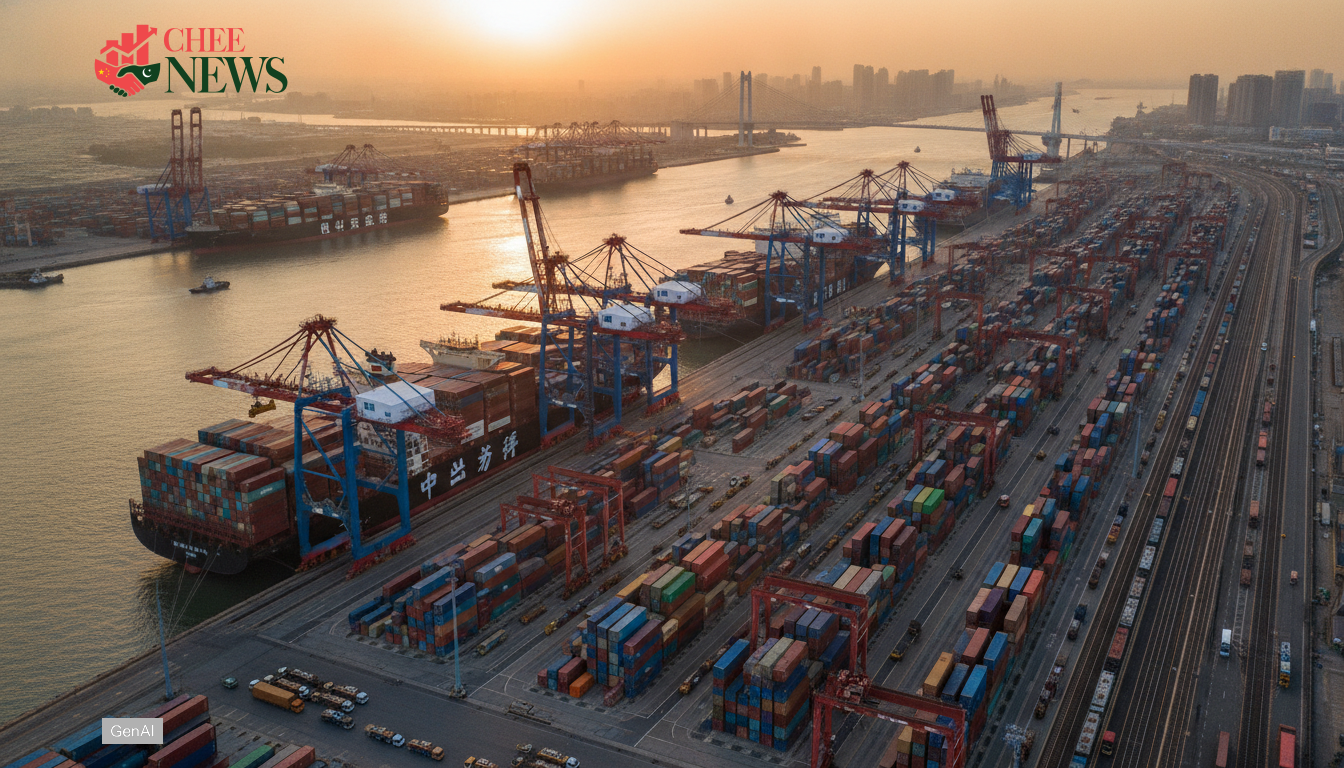
Pakistani officials have kept the emphasis on deliverables, focusing on energy reliability, logistics and industrial facilitation tied to cross border investment. Related coverage on economic linkages appears in Pakistan energy projects deepen China economic ties now, which highlights how energy and infrastructure sequencing affects trade outcomes, and within that package, project security and coordination between civilian and military stakeholders remain central to keeping timelines intact. Regional connectivity also sits alongside trade, as financial plumbing improves in Asia, including currency settlement initiatives. The theme is reducing friction for legitimate commerce, and the South China Morning Post detailed such moves in Hong Kong, Indonesia move towards direct transactions in yuan, rupiah.
Security coordination as an enabling environment
Security dialogues are increasingly linked to economics because instability can raise costs and deter contractors. ISPR’s readout of the Bahrain commander meeting highlighted regional security as a discussion point, signaling that Pakistan is positioning military channels as part of an enabling environment for trade and investment, as indicated by reports. Coverage of operational pressures on protective deployments has also intensified, as seen in Sino-Pakistani security cooperation tested in Balochistan, which notes the strain that incidents can place on continuity, and in parallel Pakistan’s policy community continues to weigh how China-Pakistan relations interact with neighborhood tensions, maritime security and energy routes. A related signal on technology and defense related innovation appeared in China military technology: PLA warns on AI flattery, reflecting how institutions are scrutinizing emerging tools.
Benefits for both sides from steady engagement
For Pakistan, the immediate gain is a clearer path to mobilizing investment, protecting existing assets and keeping supply chains functioning during periods of heightened regional alert, officials have indicated. For China, more stable operating conditions can support long term commercial returns and help shield overseas projects from disruption. The thrust is not only infrastructure, but also industrial productivity and export readiness, which Pakistani officials routinely link to jobs and foreign exchange; Sino-Pakistani diplomacy is presented as a practical way to keep those objectives on track. Recent sector reporting has kept attention on power and fuel constraints, including the discussion in Chinese investment in Pakistan powers energy growth, underscoring why energy delivery remains a priority. By coordinating economic and security messaging, officials aim to lower uncertainty that can inflate financing and insurance costs.
Outlook and next steps
Near term prospects depend on disciplined execution, transparent project governance and credible security coordination that keeps commercial activity insulated from shocks, according to officials’ public messaging. Pakistani officials are expected to keep using military to military and civilian to civilian channels to reassure partners as contracting cycles restart and new tenders move forward. Meanwhile, regional partners such as Gulf states are increasingly part of the conversation, with the Bahrain engagement illustrating how third party relationships intersect with Pakistan’s broader economic agenda. This approach will likely remain a key framework for aligning timelines, deconflicting security responsibilities and keeping communications consistent across institutions, including coordination among Islamabad-based ministries and security stakeholders. The key test will be whether coordination translates into fewer delays, smoother customs and logistics performance, and steadier investor participation across priority corridors.

