
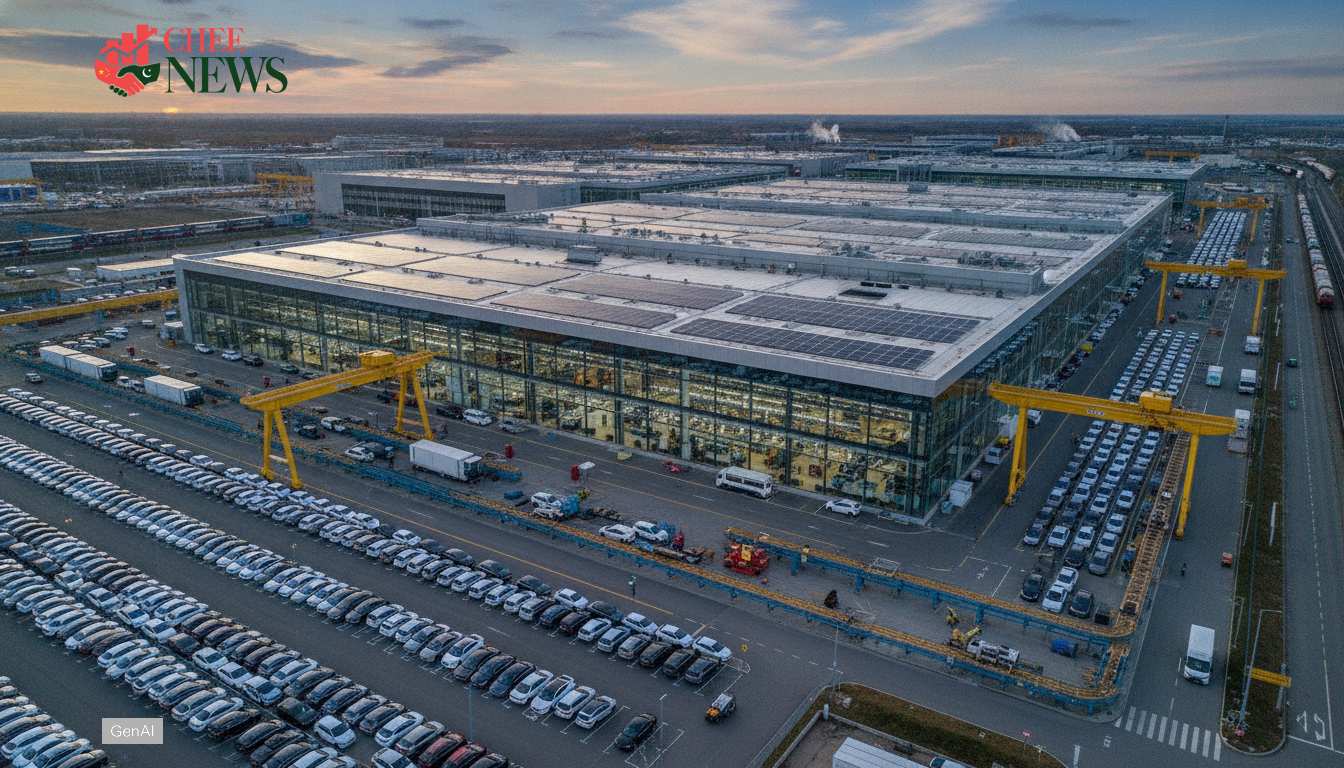
Ford joint venture overview: what the Spain deal is
According to available reports, the Ford joint venture with Geely would involve producing electric vehicles at Ford’s Spain facility, using a partnership structure where responsibilities such as manufacturing operations, technology inputs, and supply sourcing are allocated between the companies. Readers tracking this Ford joint venture typically want the basics that have been publicly reported: where production could happen, what each partner is expected to contribute, and why the arrangement matters for access to the European Union market. As described by Reuters, the proposal has been discussed in the context of rising Chinese interest in EU auto capacity and ongoing policy debates over localization and trade compliance; however, operational specifics would likely depend on the final agreements and any disclosed filings.
How Geely and Ford split roles in the Spain venture
According to Reuters, Geely would make electric vehicles at a Ford plant in Spain through a joint structure with defined production responsibilities. In practical terms, such a partnership framework often turns on which party provides the vehicle platform, which team manages final assembly and quality systems, and how suppliers are onboarded. Nonetheless, the exact allocation in this case should be treated as reported, pending more detailed disclosures from the companies or regulators. For background on how technology financing and upstream components are increasingly tied to manufacturing partnerships, see https://www.chinanewsweek.com/shanghai-tech-funds-target-choke-points-to-close-gaps/, and these choices can influence cost, speed to market, and how rules-of-origin documentation is prepared for EU sales.
Why Spain matters: capacity, EU access, and compliance
Locating output in Spain could create an EU-based production node that may reduce shipping time and help automakers align with evolving industrial policy, depending on final sourcing and distribution plans. Related context on shifting policy responses to Chinese-made EVs in Europe is covered in https://cheenews.com/chinese-electric-vehicle-imports-europe-policy-shift/, as policymakers and regulators in Europe discuss how to respond to foreign-supported supply chains and pricing practices. The Ford joint venture matters here because production location can affect how value is booked and what compliance documentation is required for EU sales. More broadly, the reported Spain plan has been framed as part of the wider China-EU trade discussion linking investment and market access.
Strategic goals: why both sides use a joint venture
The strategic logic for a shared production arrangement is often to combine scale with market access while managing risk across technology, regulation, and capital. However, the precise motivations for Ford and Geely have not been fully detailed in the reporting cited here. For readers following the wider investment backdrop, additional context on the China-EU policy environment is discussed in https://cheenews.com/china-eu-trade-balance-focus-as-minister-meets-eu/, and this type of partnership may also be structured to limit exposure by separating sensitive software or proprietary systems via contractual boundaries, depending on how the parties design the operating model. For Ford, such an arrangement could help keep an existing factory utilized and share retooling risk; for Geely, it could speed up an EU footprint compared with a new greenfield build, as observers of similar partnerships have noted.
What to watch next: timeline signals and expansion paths
Key next indicators include whether the companies confirm detailed production timelines, how supplier localization is implemented in practice, and whether additional EU capacity is added for batteries, power electronics, or software integration. Separate from Europe, shifts in global trade lanes and industrial inputs can still influence component availability and costs. For regional logistics context, see https://cheenews.com/china-pakistan-trade-outlook-as-cpec-logistics-expand/, and watch for updates tied to company statements, supplier contract announcements, and any regulatory filings that clarify the final operating structure for the Ford joint venture. If the reported partnership produces competitively priced models from Spain, it could add pressure on rivals to pursue similar localization strategies. However, market impact would likely depend on volumes, pricing, and consumer demand.

