
China factory activity in July: what the PMI signaled
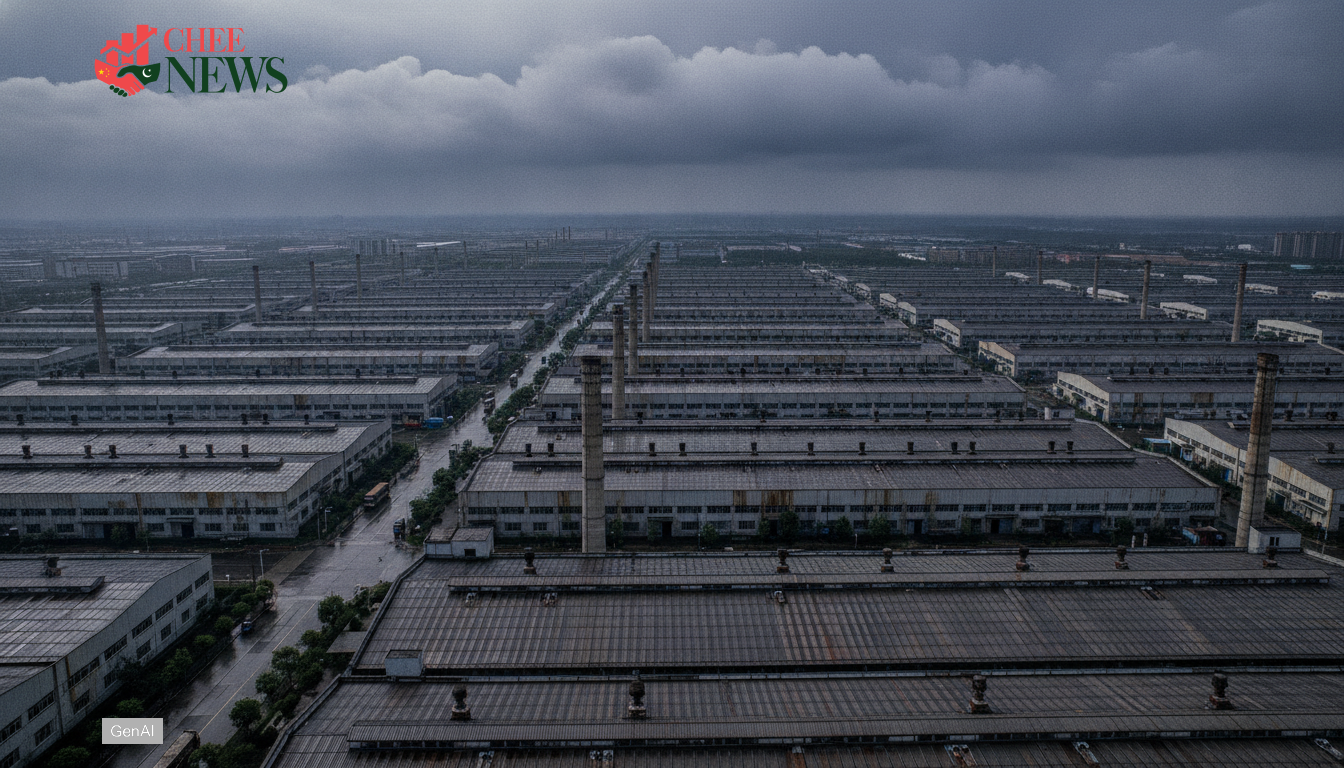
China factory activity appeared to weaken in July, as manufacturers reported softer orders and storm-related disruption that likely undercut production and delivery schedules, as indicated by available reports from contemporaneous market analysis. Investors tracked the PMI release because shifts in new orders, output, and employment are widely used as near-term signals of whether mid-year stabilization is holding. The July reading was described as a surprise in some market commentary, though expectations varied by analyst and institution. Analysts mentioned in reports suggested firms remained cautious on inventory rebuilding as pricing power stayed limited and cash flow pressures persisted, particularly for smaller suppliers. With export-oriented producers facing choppier demand, the July contraction was interpreted by some economists as a potential sign that momentum seen in spring may not have carried into midsummer.
Demand and prices: why orders stayed soft
According to economists in coverage of the PMI release, order books faced a two-sided slowdown, with domestic spending still selective and overseas buyers rotating away from some discretionary categories. New orders were reported to have weakened, affecting broader sentiment, while factory gate pricing was also described as under pressure as firms competed for fewer contracts. For more context on the external backdrop, China-US trade relations strained by new US curbs outlines how trade frictions can add uncertainty even when capacity is available. When demand cools, it can show up in softer freight activity and longer payment cycles, though the degree can vary by sector and region.
Typhoon disruptions and logistics delays
Beyond weaker demand, typhoons reportedly disrupted the movement of inputs and finished goods in some coastal manufacturing clusters, where ports, trucking, and warehouses are tightly linked to factory schedules. Weather events can create lost workdays, delayed deliveries, and short production stoppages that can influence survey-based readings for a single month, according to logistics and supply chain analysts. Related transport disruption has also been visible in aviation operations; the Cathay Pacific tail strike in early July classified as abnormal runway contact was cited as highlighting how operational constraints can ripple across time-sensitive schedules. When transport is constrained, manufacturers may prioritize core contracts and postpone lower margin runs, according to industry observers.
What the slowdown means for jobs, exports, and recovery
The July PMI contraction is often treated by investors as a high-frequency barometer for income, migrant employment, and regional fiscal conditions, though it is only one indicator. Markets use factory data as a quick read on whether policy support is translating into sustained private sector demand rather than short bursts of activity, and China factory activity is part of that near-term assessment, according to strategists’ notes. The slowdown echoed themes in China factory activity contracts as July demand fades, which tracked how softer orders and cautious purchasing decisions filtered through supply chains. Economists cited in PMI-related reporting have warned that prolonged softness can weigh on confidence, keeping firms conservative on capital expenditure and hiring, which could in turn affect commodity imports and upstream utilization.
Policy options to stabilize output
Policy debate, as framed by economists and state media commentary in recent months, is likely to focus on targeted support intended to lift demand without reigniting leverage risks, such as credit access for smaller exporters, incentives for equipment upgrades, and faster tax rebate processing. Authorities have often leaned on incremental measures rather than a single large package, drawing on prior policy rollouts and analyst commentary, and firms will watch for steps that reduce financing costs and improve cash flow reliability in procurement. Stabilizing property-linked supply chains is also cited by some analysts as a potential channel to support consumption-sensitive manufacturers through improved household sentiment. For related policy context, China economic stimulus stays cautious as trade shifts and China financial policies signal restrained economic support are often referenced alongside discussions of incremental support. Any near-term move that improves payment discipline could, in industry commentary, ease stress at subcontractors and reduce the need for production cuts.

