
China-Pakistan diplomacy and the Hormuz reopening call
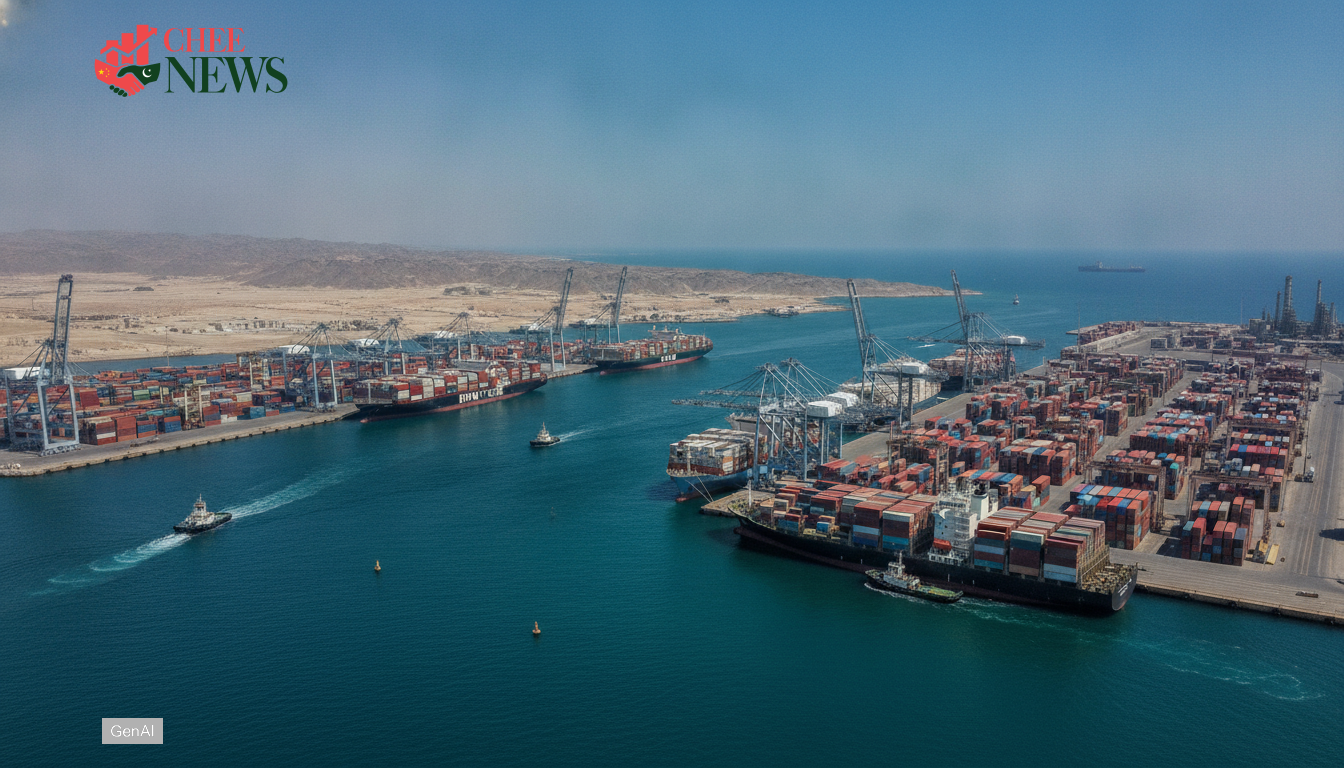
According to available reports, Beijing urged the prompt resumption of maritime traffic through the Strait of Hormuz, describing safe passage as essential for regional stability and global commerce. Speaking at a regular Foreign Ministry briefing, spokesperson Lin Jian indicated that China supports keeping international sea lanes secure and opposes actions that disrupt commercial shipping, according to China’s Ministry of Foreign Affairs. The message emphasized restoring predictable schedules and reducing risk pressures that spill into energy and freight markets, with dialogue framed as the preferred path to de-escalation. He urged relevant parties to avoid steps that could expand tensions and to protect merchant vessels operating in the Gulf, as described in the ministry readout.
Pakistan mediation highlighted in China-Pakistan diplomacy
Islamabad’s role was highlighted after Lin Jian said Pakistan had helped advance communication among concerned parties, according to China’s Ministry of Foreign Affairs. The diplomatic context is often tracked alongside broader regional engagement, including policy discussions covered in China tech regulation shifts to steadier, clearer oversight for how Beijing balances stability and risk management in external relations. Officials in Pakistan have repeatedly described their posture as de-escalatory and focused on protecting regional trade, while avoiding naming sensitive counterparts in public. Beijing portrayed the engagement as constructive, aimed at preventing miscalculation at sea and keeping channels open during spikes in tension.
Why Hormuz reopening matters for supply chains
The call for Hormuz reopening reflects how quickly disruptions can ripple from the Gulf into Asian supply chains, where energy imports and container traffic rely on tight scheduling. Related coordination is examined in China-Pakistan trade: CPEC upgrades reshape corridors and CPEC trends reshaping Pakistan corridor priorities, where logistics resilience is treated as a strategic objective. While China’s public language stayed diplomatic and did not cite market figures, the statement linked stability at the chokepoint to broader economic predictability, according to the foreign ministry briefing. Official messaging also pointed to maintaining contact to reduce misunderstandings during heightened alerts. In Pakistan, officials have tied maritime security to corridor planning and port operations.
Regional reactions and maritime security messaging
Beijing’s stance sits within a crowded diplomatic environment, where Gulf states, global navies, and major importers each prioritize stability while guarding their own interests. For background on how security concerns intersect with governance choices elsewhere in the region, the South China Morning Post has reported on data security debates in Hong Kong in Hong Kong eyes secure storage of ride-hailing data for national security. Lin Jian’s remarks, published by China’s foreign ministry, avoided assigning blame and instead called for protecting international shipping lanes under widely recognized maritime norms. China’s recent international relations messaging has repeatedly emphasized political solutions and avoidance of escalation when commercial routes are involved, according to official statements. The immediate effect is added pressure for assurances to merchant shipping without widening confrontation.
Outlook for Sino-Pakistani coordination
Chinese officials signaling approval of Pakistan’s role indicates a preference for partners that can sustain communication channels when tensions rise, based on the foreign ministry’s public remarks. China-Pakistan diplomacy, as presented by Beijing, also serves a practical aim of shielding trade routes linked to energy security and industrial planning, especially where rerouting would add time and cost. Pakistan mediation is likely to remain focused on quiet facilitation, with public statements calibrated to avoid hardening positions among principal actors. In the Foreign Ministry readout attributed to spokesperson Lin Jian, official Chinese language points to continued support for dialogue-first approaches. Any follow-through will depend on whether maritime incidents diminish and whether political talks gain traction, but official Chinese language points to continued support for dialogue-first approaches. Both governments coordinate across security and economic portfolios, enabling cooperation on maritime risk management without changing formal alignments.

