
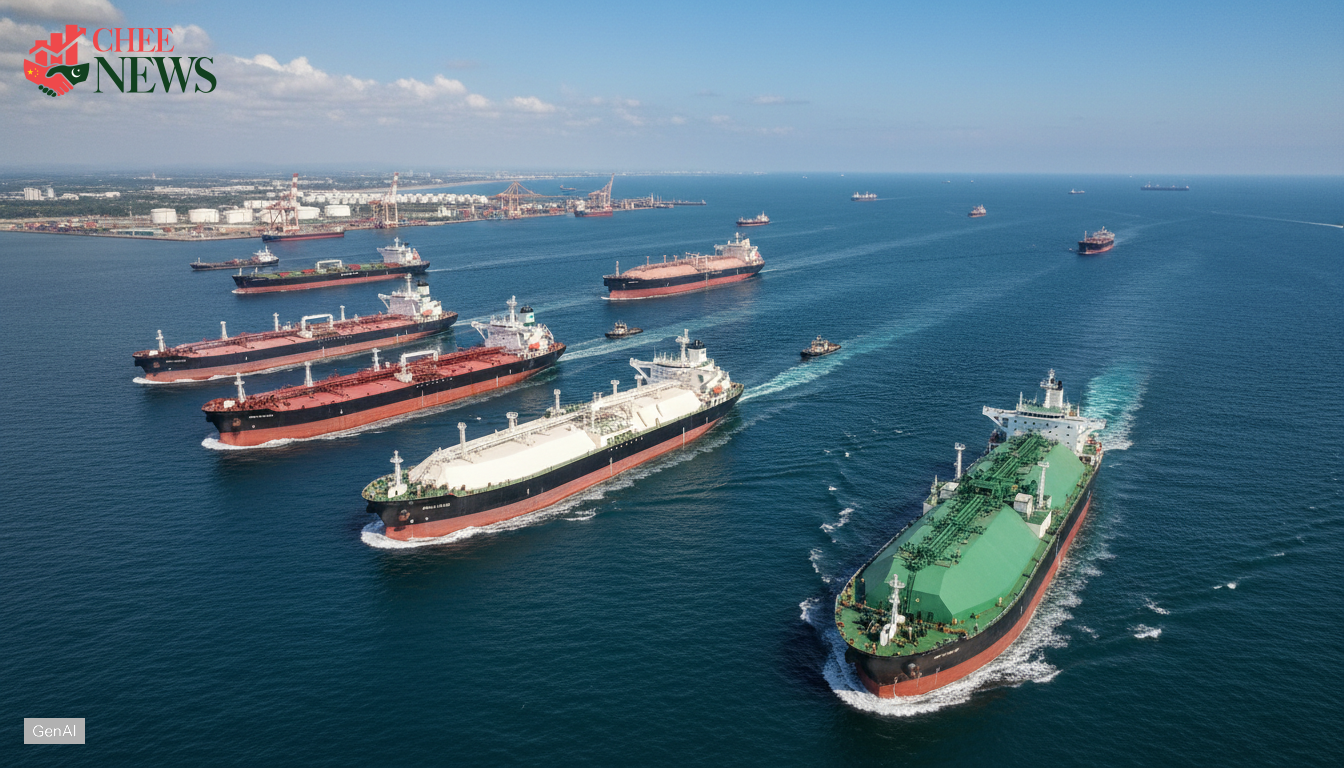
Oil and LNG Tankers Signal China-Pakistan Energy Cooperation
China-Pakistan energy cooperation is becoming more visible in shipping as oil and LNG cargoes move between Chinese and Pakistani ports on tighter schedules. Recent tanker tracking reported by Dawn described these voyages as part of a recurring trading cycle rather than a one-off movement, suggesting more predictable logistics execution. The operational focus is on chartering availability, aligning arrival windows, and managing terminal berths so cargoes can discharge without delay, a practical marker of China-Pakistan energy cooperation. For buyers and sellers, the immediate test is punctuality at receiving terminals, stable inventories, and fewer last-minute re-routing decisions.
Scheduling, Terminals, and Delivery Reliability
Coordinated deliveries depend on how quickly port and terminal operators can turn vessels around, especially when back-to-back cargoes compress operational buffers. Pakistan’s receiving chain typically hinges on berth access, regasification capacity, and pipeline dispatch timing, which can all tighten when demand spikes or weather reportedly disrupts port operations. In practice, the broader energy partnership benefits when both sides sequence port calls, pre-clear documentation, and reduce demurrage exposure through clearer arrival windows, as also reflected in AI maps China renewables as data centers surge fast where system planning is linked to energy availability. The broader planning challenge is matching import timing to power demand and refinery runs. These steps can lower costs by reducing delays and preventing sudden procurement at premium prices.
Strategic Energy Routes and Maritime Risk Management
For Islamabad, reliability also depends on whether cargoes can transit maritime chokepoints and reach domestic terminals under tight timelines. Pakistan’s Ministry of Energy, as indicated by officials’ public comments cited in local reporting, has linked import continuity to route resilience and the availability of shipping insurance during stressed periods. In parallel, planners involved in China-Pakistan energy cooperation have to weigh route choices, including when to stagger sailings, how to manage vessel queues, and how to respond when regional freight rates rise. Oil transport brings additional exposure to freight spikes and tanker availability, while LNG trade is sensitive to schedule slippage that can force spot purchases, traders say. The policy aim is fewer single-point failures through better contingency planning, diversified routing options, and clearer procedures for delayed arrivals.
Trade Terms, Payments Planning, and Contract Execution
Beyond physical cargoes, tanker movements are sometimes read by market participants as a confidence signal in the wider commercial relationship and its ability to execute contracts on time. Pakistan’s Ministry of Finance, according to official statements and budget-related briefings, has stressed that energy import management affects external payments planning because cargo pricing and freight costs can quickly pressure reserves, with coordination dynamics covered in Xi signals China-Pakistan relations in Shehbaz talks. Within that context, the energy relationship is increasingly treated as a trade facilitation issue where contracting terms, bankability, and settlement practices matter as much as volumes. If cooperation continues to expand, faster compliance checks and standardized documentation could shorten turnaround between tender decisions and delivered supply.
Outlook for China-Pakistan Energy Cooperation in 2026 Planning
Near-term planning is likely to focus on making deliveries more routine and less sensitive to single disruptions, while keeping procurement aligned with demand. According to available reports from Dawn, the tanker account has put attention back on the mechanics of shipping, which can be improved through tighter berth planning, clearer demurrage rules, and shared visibility on vessel tracking. China-Pakistan energy cooperation can deepen if counterparties standardize contract templates and build predictable monthly delivery rhythms that fit Pakistan’s grid needs and refinery operations, reinforced by continued policy coordination such as Pakistan-China energy talks seek tariff relief in China. This would support better inventory management and reduce panic buying when weather or industrial demand shifts. The main measure of progress will be fewer scheduling conflicts at ports and a steadier link between imported supply and domestic consumption patterns.

