
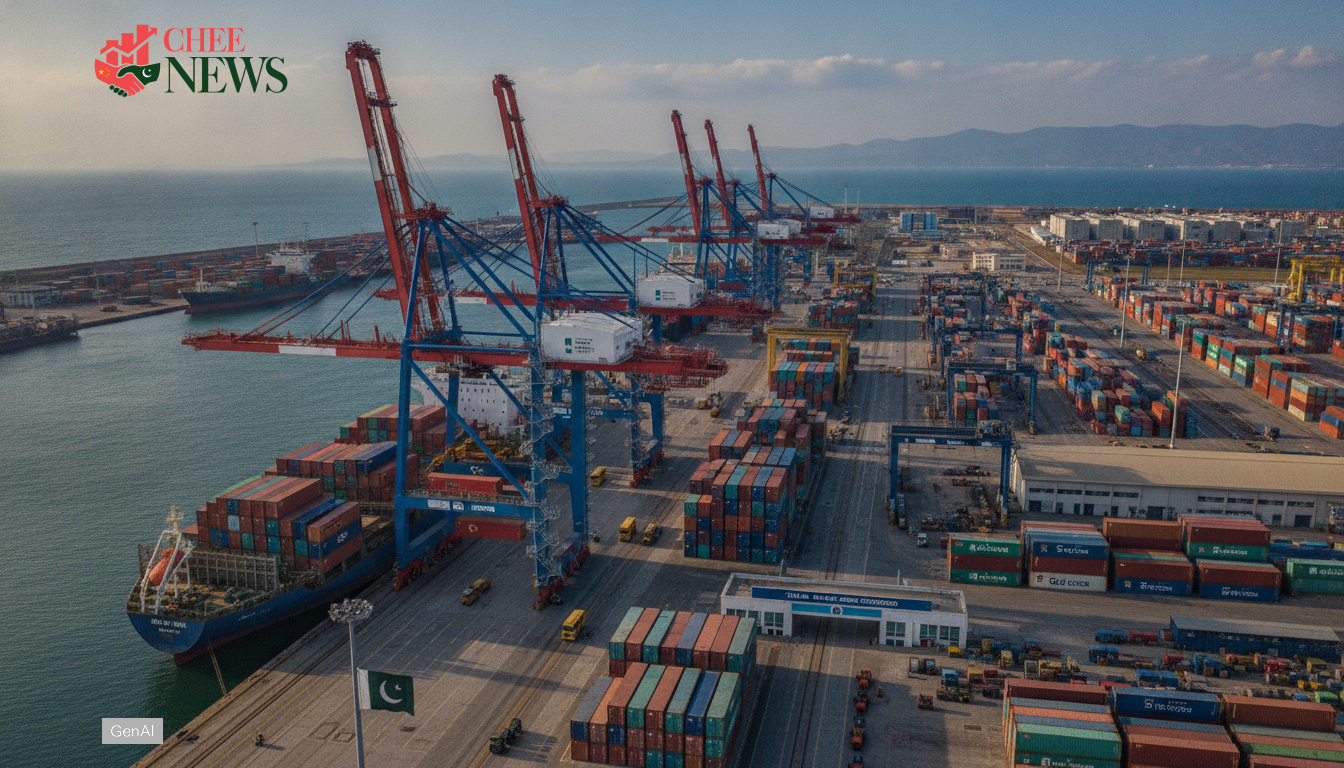
China-Pakistan trade agreements and corridor terms
Negotiators in Islamabad and Beijing are tightening trade terms around customs clearance, dispute handling, and delivery timelines to reduce execution risk on corridor-linked cargo. Officials at Pakistan’s Ministry of Commerce said the latest working sessions focused on harmonising documentation for priority goods and clarifying incentives for exporters using designated routes. Pakistan’s Board of Investment has also emphasised contract bankability so lenders can price transport and energy linked commitments with fewer contingencies. For many shippers, China-Pakistan trade is the yardstick for whether new clauses actually shorten dwell time at borders and ports. The immediate effect is a tilt toward enforceable service standards rather than broad statements of intent.
CPEC logistics and route planning for trade flows
Freight forwarders are adjusting routes and warehousing plans as corridor infrastructure is paired with tighter scheduling and cargo visibility requirements. Pakistan’s National Logistics Cell has highlighted the need to align trucking capacity with port and dry port handoffs to avoid bottlenecks during peak shipments. In that context, China-EU research collaboration renewed amid trade tensions has been cited in industry briefings as a reminder that research partnerships can influence standards used in logistics tech. A parallel policy discussion is drawing attention to spillover trade into neighbouring markets, especially for time sensitive goods moving through intermodal links. Pakistan’s Planning Commission has framed CPEC as a platform for measurable corridor performance targets rather than only new construction.
BRI developments and financing terms shaping imports
Financing and procurement choices under BRI developments are increasingly affecting what Pakistan can import, what it can assemble locally, and how quickly new capacity comes online. Pakistan’s Ministry of Finance has said its priority is sequencing projects so foreign exchange exposure is manageable while supply contracts remain credible. In the technology policy sphere, the debate over advanced chips and models is also shaping compliance planning for firms that source equipment internationally, as discussed in China Weighs AI Export Controls for Chips and Models. Within that constraint, sourcing is being steered toward inputs that support export oriented production, including components where suppliers can commit to stable delivery windows. Banks and insurers are responding by asking for clearer end use documentation in trade finance files.
Technology transfer and customs digitisation in trade
Operational teams are prioritising data sharing and automation that can cut clearance time, reconcile invoices faster, and reduce manual inspections. Pakistan Customs has promoted risk based screening and electronic processing to target inspections while keeping verified consignments moving. Investment planners tracking industrial capacity have pointed to Chinese investment in Pakistan lifts energy ambitions as a signal that power availability and load stability remain central to factory output planning. For exporters, the critical issue is whether technology transfer arrangements include training, maintenance, and spare parts access so equipment stays productive after installation. Cross border transactions are also being shaped by how firms document provenance and quality assurance for regulated products, which affects acceptance by banks and downstream buyers. Compliance workflows also reference governance debates such as End-of-life directives to go on eHealth as new law takes effect in Hong Kong for record keeping and documentation integrity lessons.
Outlook for China-Pakistan trade and contract bankability
Commercial planners are focusing on fewer, more deliverable deals that can survive currency pressure, power availability constraints, and compliance scrutiny. Pakistan’s State Bank has repeatedly stressed the importance of disciplined external payments management, a stance that pushes importers toward phased purchasing and tighter inventory control. In response, firms on both sides are drafting contracts that reward on time delivery, require transparent documentation, and specify arbitration venues acceptable to financiers. Corridor stakeholders also expect more joint work on standards for digital trade paperwork and cargo tracking so smaller exporters can participate without heavy overhead. According to available reports, the near term outlook for China-Pakistan trade depends on whether agencies can maintain consistent enforcement across borders and keep project timelines aligned with real logistics capacity.

