
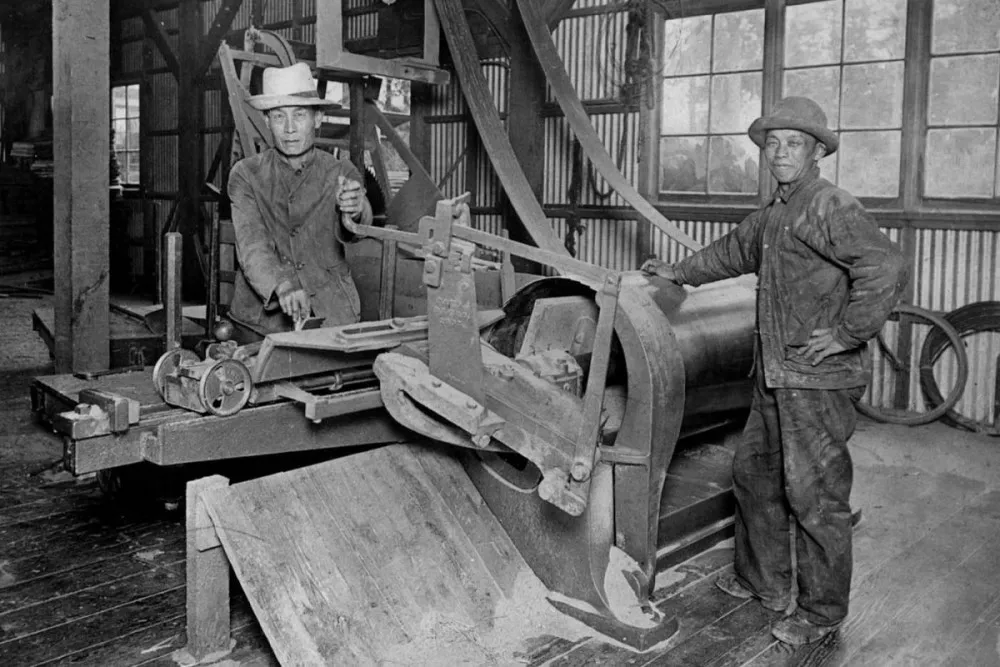
Before China became known as a global manufacturing powerhouse, its early industrial growth relied on a handful of pioneering factories that set the foundation for national transformation. These enterprises, emerging in the late Qing period and expanding during the Republican era, began producing textiles, machinery, chemicals and essential consumer goods. Their efforts marked the beginning of China’s transition from an agrarian society to an economy powered increasingly by modern industry. Although these early factories often faced shortages, political turmoil and financial strain, they played an outsized role in shaping China’s modernization.
Local entrepreneurs and reformers take the lead
China’s early industrialization was driven not only by government initiatives but also by ambitious entrepreneurs and reform minded officials. Figures such as Zhang Jian, a prominent industrialist in Nantong, built textile mills, schools and public institutions that blended business growth with social development.
In other regions, local gentry and merchants invested in small scale factories to produce matches, soap, machinery parts and other goods once imported from abroad. These ventures nurtured the idea that economic modernization could be achieved through domestic innovation rather than reliance on foreign products. Their successes inspired communities and demonstrated the potential of homegrown industry.
Machinery, textiles and the rise of factory labor
Textile production became one of the most influential early industries. Mills in Shanghai, Tianjin and Wuhan introduced new machinery that dramatically increased output. Cotton spinning, weaving and dyeing operations expanded quickly, and factory life reshaped urban labor patterns.
For many workers factory employment was a dramatic shift from agricultural routines. They learned new skills, adapted to structured work schedules and became part of emerging industrial communities. Women made up a significant portion of the workforce, taking roles that reshaped gender expectations and contributed to household incomes.
Machinery factories also laid important groundwork. They produced tools, engines and mechanical components needed for transportation, construction and other industries. These workshops fostered technical knowledge that would later support large scale industrialization.
Overcoming challenges in a turbulent era
These early factories operated during a time of political instability, foreign competition and limited access to capital. Imported goods often dominated markets, and many Chinese factories struggled to match foreign technology and pricing.
Despite these obstacles, industrialists persisted. Some formed cooperatives, others partnered with local governments and many reinvested profits into improving equipment. Their resilience demonstrated a strong national desire to build independent economic strength during a period when China’s sovereignty was repeatedly challenged.
Factories as symbols of national progress
As the twentieth century unfolded, early factories became symbols of self reliance and national pride. They represented the belief that China could modernize through its own ingenuity. Schools and vocational institutions began training workers in mechanical skills, chemistry and engineering, creating a growing technical class essential for future development.
Industrial towns blossomed around factory complexes, generating new forms of social organization and urban life. Newspapers frequently highlighted industrial achievements, reinforcing the idea that manufacturing was central to China’s revival.
The legacy that shaped a manufacturing giant
Although modest by today’s standards, these early industrial heroes laid the groundwork for what would become one of the world’s largest industrial economies. Their factories introduced technologies, work cultures and industrial networks that supported later waves of state led and private sector growth.
Understanding their contribution helps explain how China transitioned from scattered workshops to global manufacturing dominance. These early pioneers demonstrated that determined investment in industry could transform livelihoods, strengthen national identity and chart a new course for the future.

