
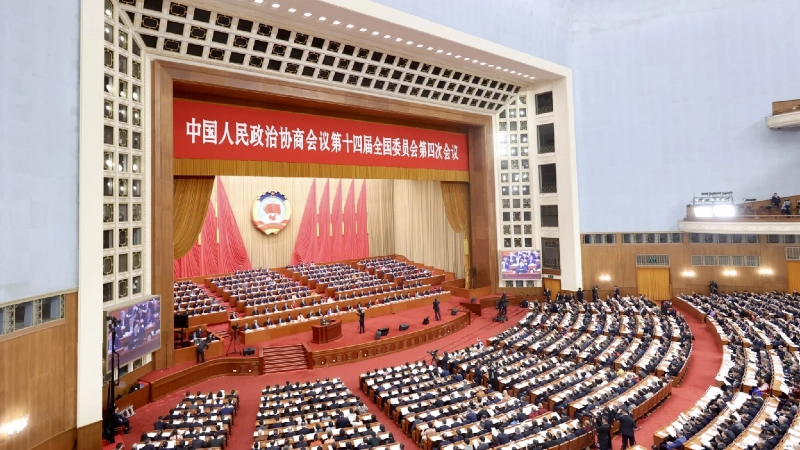
China’s latest five year development plan is setting the tone for a more assertive economic and technological strategy, with implications reaching far beyond its borders. Approved during the country’s annual political gathering, the plan reflects Beijing’s confidence in its long term trajectory and its intent to move further up the global value chain. While official messaging highlights stability and progress, analysts point to several strategic priorities that could reshape global competition, especially in advanced industries and supply chains where China is already gaining ground.
A major focus of the plan is strengthening control over critical mineral supply chains, particularly rare earths that are essential for modern technologies such as electric vehicles and electronics. China already dominates the processing of these materials, and the new plan aims to deepen that advantage by expanding domestic production and keeping more of the value chain within its borders. This approach could increase global dependence on Chinese inputs while complicating efforts by other countries to diversify supply, especially as demand for clean energy technologies continues to grow rapidly.
Another key priority is the rapid expansion of biotechnology and advanced research sectors, which are now receiving greater attention than in previous plans. China is positioning itself as a global leader in pharmaceutical innovation and life sciences, supported by rising investment and growing international demand for its research outputs. The plan also highlights the integration of artificial intelligence across multiple industries, though experts warn that the fast pace of adoption may create risks, including job displacement and regulatory challenges that have yet to be fully addressed.
Trade dynamics also remain central to China’s economic strategy, with exports continuing to play a dominant role despite global concerns over imbalances. The country’s large trade surplus reflects its manufacturing strength but also raises tensions with trading partners who fear market disruption. At the same time, Beijing is significantly increasing its investment in research and development, aiming to become the world’s leading innovator in frontier technologies such as quantum computing and advanced materials. This shift indicates a long term push toward self reliance and technological leadership.
The broader direction outlined in the plan suggests that China is preparing for a period of intensified global competition, particularly with the United States and its allies. By combining industrial policy, technological investment and strategic resource control, Beijing is reinforcing its position in key sectors that will define future economic growth. As these priorities unfold, policymakers and industries around the world are closely monitoring how China’s strategy will influence global markets, supply chains and the balance of technological power in the years ahead.

