
As climate pressures and rapid urban growth continue to strain water resources, rainwater harvesting is gaining renewed focus in Pakistan ahead of the monsoon season. Experts are increasingly pointing to China’s experience in collecting, storing, and reusing rainwater as a practical model that could be adapted locally. The approach has been implemented across cities, rural areas, and complex terrains in China, offering a range of solutions that address both water scarcity and flood management challenges. With Pakistan facing recurring issues of water shortage and urban flooding, the need for scalable and efficient systems has become more urgent.
China’s urban planning strategies have played a central role in advancing rainwater management, particularly through the development of the sponge city concept. This model promotes the use of permeable infrastructure such as green roofs, wetlands, and water storage systems designed to absorb and regulate stormwater. Major cities have integrated these features into broader development plans to reduce waterlogging and improve sustainability. The results have shown how urban environments can be redesigned to capture rainfall more effectively while also strengthening resilience against extreme weather events.
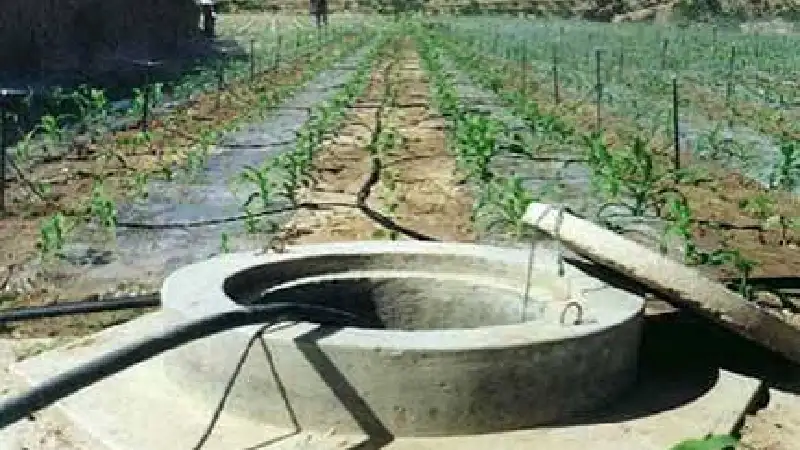
In rural regions, especially in arid and semi arid zones, China has implemented rainwater harvesting techniques to support drinking water supply, agriculture, and ecological restoration. These systems often include storage tanks, field collection networks, terraces, and micro catchments that allow communities to maximize the use of limited rainfall. Such approaches have been particularly effective in regions where water availability is seasonal and unpredictable. By combining traditional practices with modern engineering, China has created adaptable solutions that can function across diverse environmental conditions.
In more challenging terrains, including high altitude and mountainous regions, China has introduced terrain specific innovations to manage rainwater efficiently. Projects in cities like Lhasa demonstrate how permeable surfaces and green spaces can be used to handle concentrated rainfall in difficult environments. Similarly, in mountainous provinces, local communities have developed systems using diversion channels and storage facilities to capture and utilize rainwater for domestic needs. These examples highlight the flexibility of rainwater harvesting systems when tailored to specific geographic conditions.
Pakistani water experts believe that many of these strategies could be applied locally with appropriate adjustments. They emphasize that adopting such systems would require policy support, investment in infrastructure, and public awareness to ensure long term success. As Pakistan prepares for the upcoming monsoon season, the focus is shifting toward solutions that can both mitigate flooding and improve water availability. The growing interest in China’s model reflects a broader effort to explore sustainable and efficient water management practices that can address the country’s evolving environmental challenges.

