
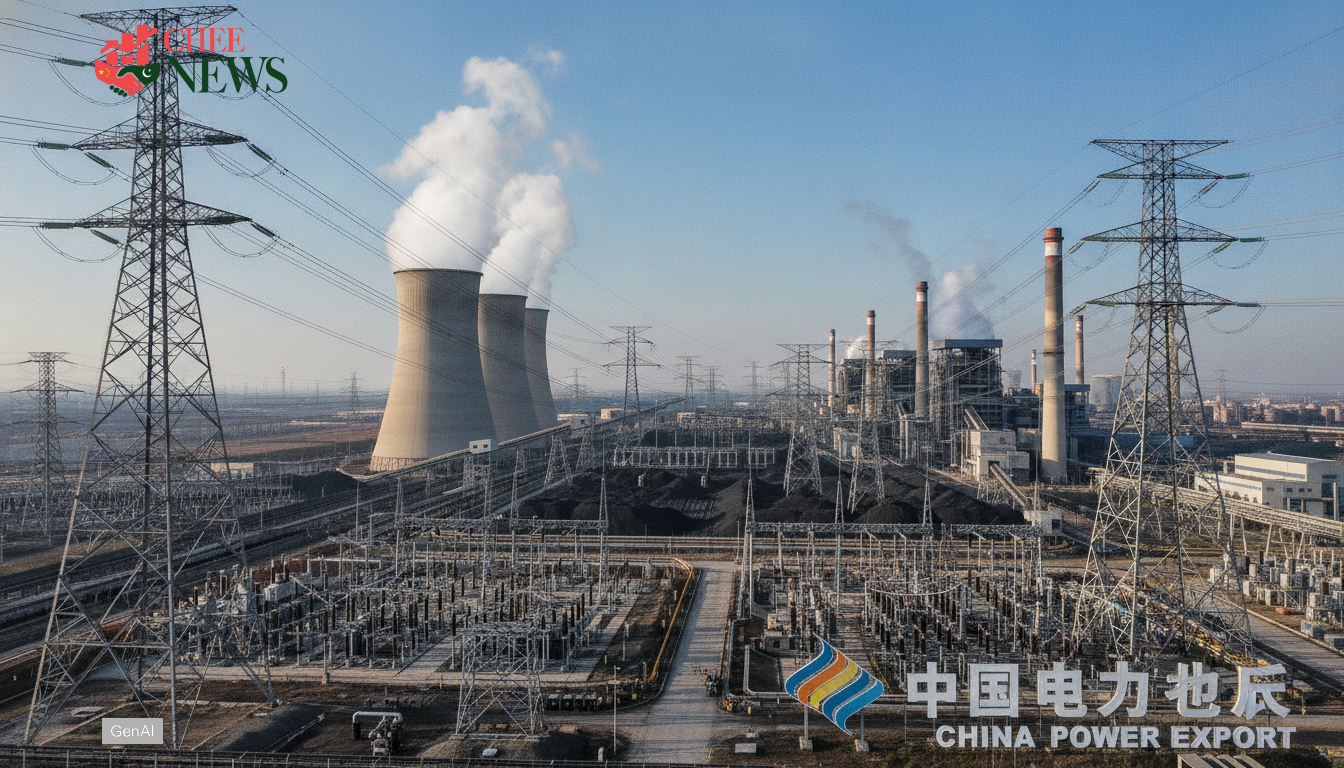
Chinese Energy Export to Pakistan: What the 4,000MW Offer Means
Chinese energy export to Pakistan is being discussed after China conveyed an offer to supply up to 4,000MW through a cross-border, grid-to-grid electricity trade rather than a new power plant build. According to Dawn, the 4,000MW figure is an export proposal shared via ongoing bilateral energy contacts. Officials are assessing how the imports would be scheduled, priced, and settled under Pakistan’s existing market and regulatory rules, and how Chinese energy export to Pakistan would be documented in contract and settlement terms. Any arrangement would still need technical studies on interconnection capacity, system stability, metering, and settlement processes, alongside federal approvals and regulator review. The proposal’s viability is likely to depend on verified transmission pathways and contract terms that can be implemented without disrupting dispatch priorities.
How the Export Could Help Pakistan Manage Shortages and Costs
For Pakistan’s power managers, the appeal is tied to timing, flexibility, and potential relief during high-demand periods, but only if the economics hold up under review. Reports suggest the idea is to address supply gaps without waiting for multi-year construction, which can be decisive during seasonal peaks and unexpected shortfalls. A broader look at how China allocates capital to scale exports, including trends discussed in Chinese EVs regain momentum with tech, deals in 2024, is relevant because cross-border supply typically requires stable pricing and long-term planning on both sides. In that context, Pakistan energy projects focused on transmission reinforcement, grid reliability, and dispatch modernization would matter as much as the imported megawatts. Consumers would only benefit if procurement stays competitive and losses are contained.
Grid, Regulation, and CPEC Coordination Already in Place
Pakistan and China already coordinate closely on infrastructure and economic planning under CPEC, and energy cooperation has been a core component of that relationship for years. Dawn’s report places the export offer within that established channel, suggesting the next steps will be institutional rather than ad hoc. Policy discussions on broader bilateral coordination are also shaped by diplomatic engagement, including context covered in China-Pakistan relations: Pakistan, China reach consensus and Sino-Pakistani diplomacy and Pakistan’s peace push. Within the wider frame of China-Pakistan relations, the immediate work is technical: determining how imports would integrate with Pakistan’s dispatch priorities, transmission constraints, and contractual obligations to domestic generators. Regulators and system operators will likely focus on grid reliability benchmarks before debating long-term import volumes.
Implementation Hurdles: Interconnection Capacity and Payment Security
Turning an offer into delivered power will require sequencing decisions across engineering, regulation, and finance, because cross-border electricity trade depends on synchronized planning and enforceable settlement rules. As indicated by Dawn’s report, the 4,000MW figure creates a ceiling for negotiations, but the usable volume could be bounded by interconnection capability, operating margins, and the firmness of contracts that can be honored in real time. Negotiators may consider firm baseload blocks or seasonal supply structured around peak demand, each with different risk allocation for curtailment, congestion, and system events. Financial closure would hinge on payment security mechanisms acceptable to suppliers and Pakistan’s market institutions, including the practical handling of invoice cycles and settlement windows. Coordination with parallel Pakistan energy projects, including grid upgrades and loss reduction, would affect how much imported electricity can reach end users without adding bottlenecks.
Regional Implications if Imports Scale Toward 4,000MW
A sustained import channel at the scale cited by Dawn could have implications beyond bilateral trade because it indicates how Pakistan plans to balance domestic generation with external supply options. The practical effect on power supply might depend on whether imports displace higher-cost generation at the margin, reduce forced outages during stressed periods, or provide reserve support when hydrology or fuel availability changes. Policymakers would also evaluate resilience, including exposure to transmission contingencies, constraints during peak hours, and the ability to ramp output as system needs shift, with political context reflected in Pakistan, China Coordination for Middle East Stability. Any agreement would likely be watched by neighboring markets and lenders assessing Pakistan’s sector reforms and contractual discipline. Measurable outcomes would be reliability indicators and cost trends reported by Pakistan’s power institutions after implementation.

