
Pakistan China Coordination and Middle East Stability
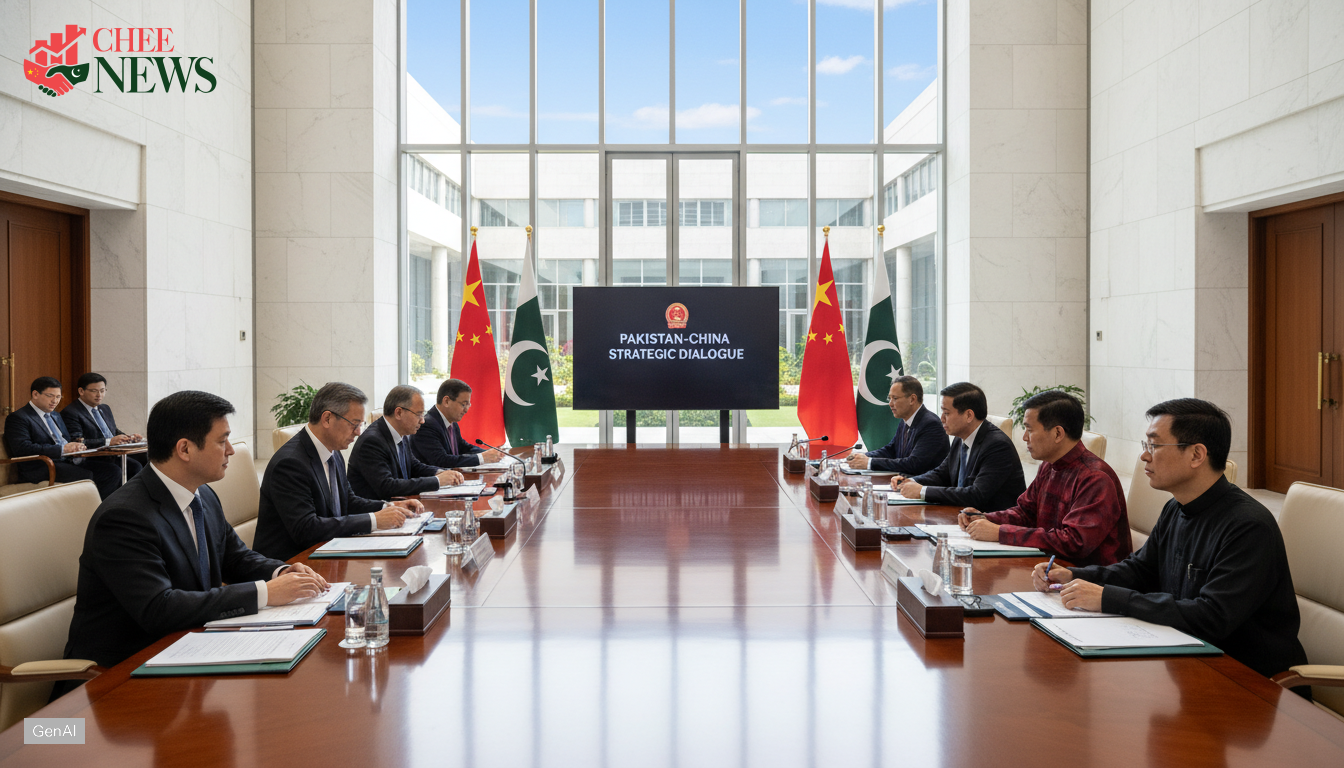
Pakistan and China have renewed political consultations on Middle East stability, emphasizing diplomacy, de-escalation and humanitarian access as regional pressures persist, according to official readouts and media summaries of the engagements. In senior-level exchanges cited in those summaries, both sides portrayed stability as important for energy security, safe maritime routes and the protection of overseas nationals. The messaging appeared to favor quiet crisis management through established diplomatic channels rather than public escalation, based on how the talks were described. Officials also framed the coordination as consistent with prior practice, with Islamabad aiming for predictable ties across Gulf states and Iran while Beijing stresses continuity in strategic communication, according to the same summaries. The stated aim was to prevent tensions from widening while maintaining economic and consular planning under uncertain conditions.
Commitments to De-escalation and Humanitarian Access
In their public messaging, officials highlighted restraint, dialogue and protection of civilians as practical steps linked to Middle East stability, according to summaries of the exchanges. Pakistan and China reiterated support for peaceful settlement of disputes and cautioned against steps that could expand cross-border conflict, the summaries said. For broader context on how Beijing frames trust-building in other diplomatic tracks, see China-UK relations warm as Wang Yi urges more trust. The statements also stressed sustained humanitarian access and the need to keep diplomatic channels open with rival regional actors, as described in those readouts. The goal appeared to be demonstrating coordinated intent without announcing new security deployments, while leaving space for engagement through UN processes and regional forums, as reflected in the language that was reported.
How Coordination Shapes Regional Diplomacy
The immediate effect may indicate diplomatic signaling to Gulf capitals that the Pakistan-China partnership remains oriented toward mediation and steady bilateral engagement, rather than bloc politics, according to analysts and commentary tracking these positions. Pakistan’s foreign policy has often been described as balancing ties with Saudi Arabia, the UAE, Iran and Turkiye, while China is widely assessed as seeking workable relations across the region to protect trade and energy interests. Analysts tracking these positions can compare them with prior patterns covered in Sino-Pakistani diplomacy and regional stability outlook. In this round, the two sides described Middle East stability as compatible with UN-centered processes and region-led dialogue rather than exclusive formats, according to the published summaries. The messaging also appeared intended to reduce the risk of disruption to Pakistan’s remittances, investment links and commercial ties, as observers commonly note in discussions of regional instability.
Strategic Goals: Energy Routes, Trade, and Spillover Risk
The longer-term strategic objective is presented as lowering spillover risk into South Asia while keeping trade and energy flows resilient, a linkage both sides associate with Middle East stability, according to past and current official statements referenced in media coverage. Pakistani officials have repeatedly connected regional calm to domestic economic planning, while Chinese officials frequently link stability to safe maritime corridors and predictable commercial routes, as reflected in their public remarks over time. Rather than unveiling new mechanisms, the emphasis was described as deepening consultation, exchanging assessments and coordinating language in international forums. Related background on energy-linked cooperation appears in China-Pakistan energy cooperation grows via oil, LNG. Practical cooperation, where it occurs, can include consular coordination, risk monitoring for nationals and alignment on UN statements, according to diplomatic reporting conventions and how such coordination is typically summarized. The approach is also framed as preserving flexibility to engage with Western, Gulf and other regional stakeholders as crises evolve, according to analyst commentary.
Global Implications and What to Watch Next
Internationally, the reaffirmation can be read as a call for restraint at a time when competing narratives can harden quickly, based on how the statements were positioned in summaries and subsequent commentary. Pakistan’s stance is often watched because of its ties with multiple Middle Eastern governments and its role in the OIC, while China’s statements are closely followed due to its energy demand and expanding regional economic footprint, as commonly noted by analysts. For an external view on official-level diplomacy in another context, see Universities in Hong Kong and Kazakhstan deepen ties during Lee’s visit. The combined posture may shape how partners interpret red lines, humanitarian priorities and the acceptable scope of military action even when no new initiative is announced, though the impact is likely to vary by capital. Signals to watch include follow-up meetings, UN votes, and whether consular coordination expands as tensions fluctuate, all of which can be relevant to Middle East stability.

