
Chinese investment in Pakistan: why it matters now
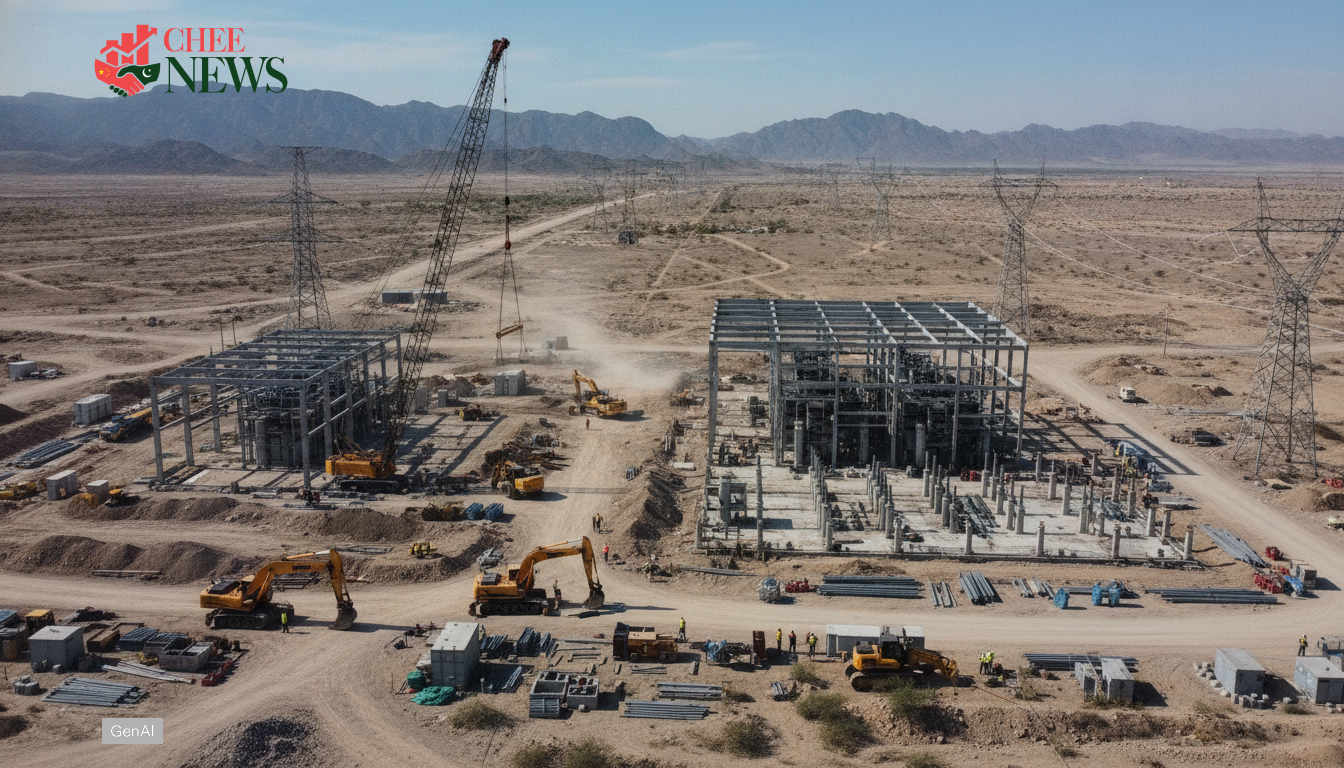
Chinese capital and participation in Pakistan’s energy sector is shaping how Islamabad plans power supply. This spans financing terms, technical standards, and grid readiness. Instead of viewing each plant as a standalone asset, policymakers are increasingly linking procurement to performance guarantees and interoperability rules, affecting delivery and long-term operations. Commentators and industry observers have suggested that China’s push for coordinated standards could influence how Pakistani partners assess vendor roadmaps, cybersecurity controls, and metering accuracy. This shift is important because lenders and regulators often prefer auditable compliance, not only new capacity. The focus is moving toward measurable reliability and documented service levels that aim to reduce commissioning and operating risk.
How Chinese investment in Pakistan is changing project selection
As noted by sector analysts, Pakistan energy projects under CPEC are being evaluated more on deliverability than headline megawatts, with an emphasis on fuel assurance, grid readiness, and payment security. Developers are also observing policy signals from Beijing that might affect approvals, export credit conditions, and equipment lead times, as reported in business media. Regionally, outbound coordination cues are often interpreted through elite policy activities.
Grid reliability and regulation effects in Pakistan
According to grid operators and market participants, the strongest operational impact is observed in dispatch discipline and loss reduction. NEPRA materials and statements have highlighted performance monitoring themes in recent years, pushing the system toward measurable service standards rather than capacity alone. Chinese investment in Pakistan is frequently discussed regarding lifecycle metrics, such as availability and compliance reporting that lenders can audit. This increases scrutiny on integration studies and digital control layers. Utilities are also demanding better forecasting for variable generation and clearer allocation of curtailment risk.
Risks, pricing pressure, and new opportunities
Key execution risks are noted as payment circularity, foreign exchange exposure, and mismatches between contracted capacity and actual demand patterns, according to stakeholders. Practitioners suggest sponsors may renegotiate timelines, tighten EPC interfaces, and opt for modular upgrades to minimize disruption. A useful perspective on how policy headwinds can reshape planning appears in available reports, and Chinese participation in Pakistan’s energy projects may face reputational challenges if perceived as costly without reliability gains. Improved designs and accountability could help projects meet stricter credit conditions and reduce disputes.
What to watch next for financing and buildouts
Near-term decisions may depend on whether new builds can show grid value, such as flexible ramping and digital monitoring that reduces outages, as developers argue. In Pakistan, this could mean projects will be assessed against tariff sustainability and settlement mechanisms, not just bilateral intent. Analysts frequently describe BRI developments as favoring projects that align with host country market rules and can demonstrate compliance across the supply chain. If procurement aligns with performance metrics, Chinese investment in Pakistan could enhance reliability without fiscal stress.

