
Chinese investment in Pakistan on Shehbaz Sharif’s Beijing agenda
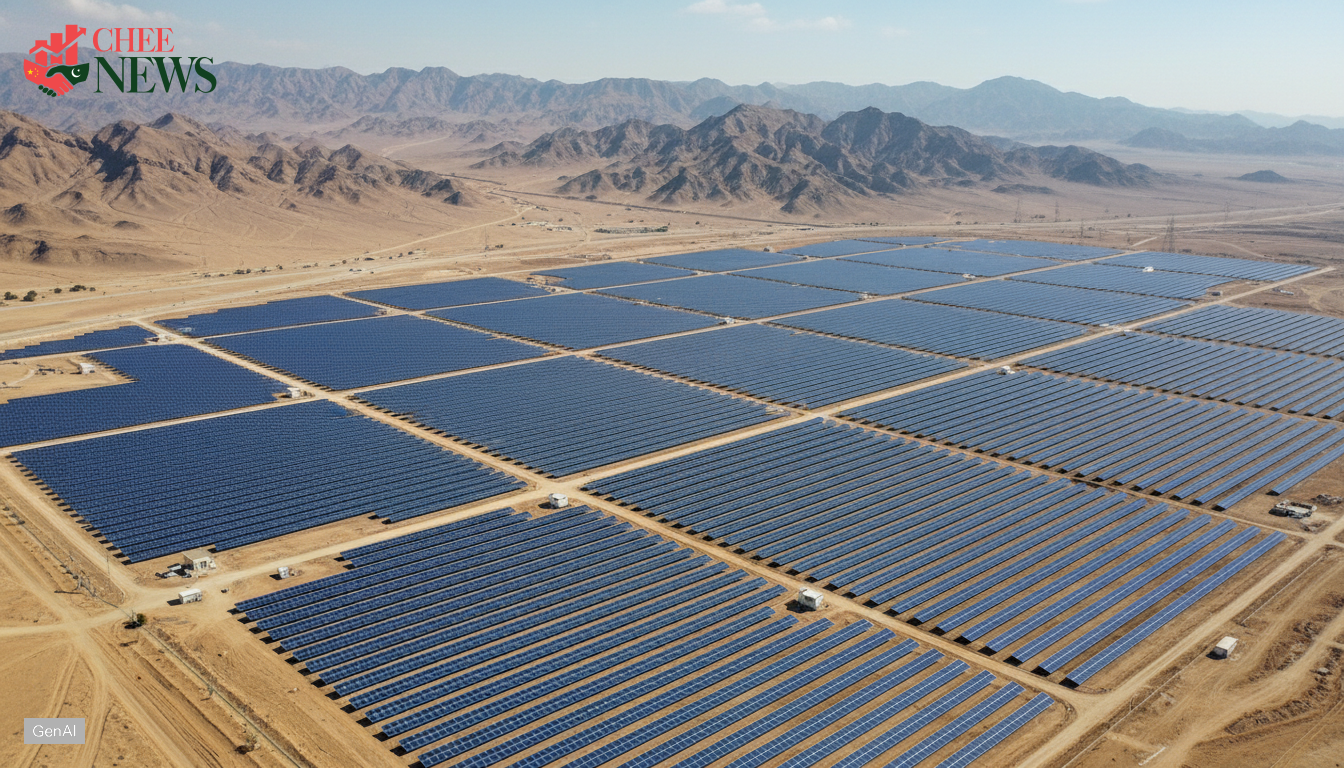
Prime Minister Shehbaz Sharif is set to visit China from May 23 to 26, as reported by Dawn and Pakistan’s Foreign Office. The trip is characterized as a working engagement focusing on economic cooperation and high-level political coordination, as indicated by available reports. Chinese investment in Pakistan is expected to be a central topic, with a focus on energy security as a binding constraint on industrial output and public finances. Attention remains on power generation performance, transmission reliability, and fuel supply arrangements. Discussions are likely to include execution timelines, settlement of payables, and ensuring smooth payment flows to suppliers. The emphasis is on continuity within existing bilateral frameworks rather than new announcements.
Energy talks: grid reliability, payments, and project execution
Pakistan’s energy managers are approaching the Beijing meetings with an implementation agenda focused on dispatch constraints, technical losses, and delayed settlements, according to government briefings cited in local reporting. The Ministry of Energy frequently notes that these issues can stall projects even after plants are built. In this context, Chinese-backed capital and contracting in the power sector are significant because many contractors, equipment providers, and lenders linked to corridor-era assets are Chinese and require predictable operating conditions and enforceable payment mechanisms. Any near-term reforms on circular debt management and cash flow discipline would likely need confirmation in official statements after the visit. For a recent perspective on how major China-linked operations calibrate growth and execution pace, see Tesla China sales 2026: Shanghai deliveries hit new pace.
Trade and financing channels supporting energy projects
Beyond power sector operations, the visit aims to reinforce China-Pakistan trade links, which can influence foreign exchange availability for fuel imports, spare parts, and machinery. Commerce officials in Pakistan have argued that smoother customs processes and clearer standards can reduce input costs for manufacturers and exporters. These themes often surface alongside broader diplomatic coordination, as covered in China-Pakistan relations: Pakistan, China reach consensus and Sino-Pakistani diplomacy and Pakistan’s peace push. Energy infrastructure procurement ties directly into trade, with Chinese suppliers often providing equipment, engineering services, and long-term maintenance. Concrete deliverables on tariffs, logistics, or standards would still require confirmation from relevant ministries on both sides.
BRI pipeline: upgrades, timelines, and compliance checks
Officials in Islamabad describe energy as a pillar of corridor cooperation, while acknowledging that performance and delivery now matter as much as new groundbreakings, according to official briefings referenced by local media. In briefings tied to BRI developments, negotiators have focused on grid stability and the ability to evacuate power from existing plants, where targeted upgrades can be as significant as additional capacity. For broader regional business sentiment, an SCMP survey provides context in Most Asia-Pacific firms use AI for tasks without cutting jobs: survey. Chinese investment in Pakistan is also evaluated against completion schedules, contractual obligations, and compliance requirements that both sides must manage, officials said. Claims about specific corridor milestones should be cross-checked against official CPEC or ministry releases.
What to watch after the visit: reforms, approvals, and follow-through
The near-term test after the Beijing meetings will be whether both governments translate diplomatic signals into administrative decisions that keep projects on schedule, according to analysts and officials quoted in local coverage. Pakistan’s energy policymakers face pressure to reduce system losses, improve recoveries, and ensure fuel availability, which can materially affect investor risk calculations, according to officials. In this setting, the trajectory of Chinese investment in Pakistan will be shaped by the credibility of reforms and the predictability of approvals rather than statements alone. On China’s side, officials and financiers typically emphasize bankable structures, stronger governance for execution, and clearer risk allocation, according to public messaging around overseas project finance. Outcomes will likely be judged by follow-through such as signed implementation notes, clarified payment mechanisms, and timelines issued by the relevant Pakistani ministries.

