
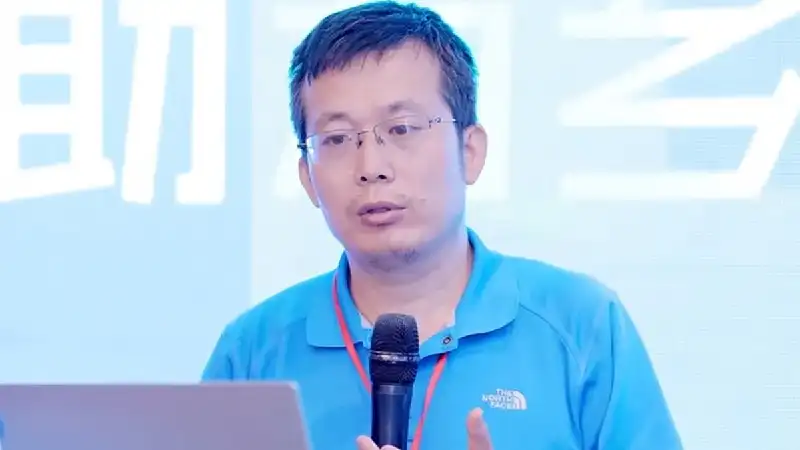
Zhang Jinshui, a prominent Chinese scientist known for his work in remote sensing and agricultural technology, has died at the age of 47, marking a significant loss for China’s scientific and academic community. Zhang played a key role in advancing satellite based monitoring systems that supported national food security efforts and improved agricultural planning. His research contributed to the integration of advanced data systems into farming and environmental management, helping authorities better understand crop conditions and resource distribution. His passing comes at a time when technological innovation continues to be central to China’s long term development strategies.
Zhang served as a professor and doctoral supervisor in the Faculty of Geographical Science at Beijing Normal University, where he was widely respected for both his academic contributions and his role in mentoring the next generation of scientists. Over the course of his career, he led and participated in several major research programmes focused on remote sensing applications. These projects often involved the use of satellite data to monitor agricultural productivity, assess environmental changes, and support policy decisions related to land use and food supply. His work helped bridge the gap between scientific research and practical implementation.
Remote sensing has become an increasingly important field in China as the country seeks to strengthen its ability to manage resources and respond to environmental challenges. Zhang’s research focused on using satellite technologies to gather real time data that could improve decision making across multiple sectors. In agriculture, this included tracking crop growth patterns, detecting potential risks such as drought or disease, and providing insights that could enhance yield and efficiency. These innovations have played a role in supporting national food security goals by enabling more precise and data driven agricultural management.
Colleagues and students have described Zhang as a dedicated researcher and educator who was deeply committed to advancing scientific knowledge. His leadership within academic circles and research institutions helped shape the direction of remote sensing studies in China. Through his teaching and supervision, he guided numerous doctoral candidates who are now contributing to the field themselves. His influence extended beyond his own work, creating a broader impact through the development of talent and the promotion of interdisciplinary research approaches.
Zhang died in Beijing on March 9 after what was described as unsuccessful medical treatment. His passing was followed by a memorial ceremony held by his faculty, reflecting the respect and recognition he received within the academic community. While official notices have been limited, the response from peers and institutions highlights the significance of his contributions. His work remains closely associated with China’s efforts to modernize its agricultural systems and strengthen its technological capabilities in environmental monitoring.
The field of remote sensing in China has grown rapidly over the past decade, driven by investments in satellite infrastructure and data analysis capabilities. Scientists like Zhang have been at the forefront of this expansion, contributing to projects that support not only agriculture but also urban planning, disaster management, and climate monitoring. The increasing reliance on such technologies underscores the importance of continued research and innovation in this area, particularly as global challenges related to food security and environmental sustainability become more complex.
Zhang’s contributions also reflect a broader trend in China’s scientific community toward integrating advanced technologies into practical applications. His work demonstrated how satellite data could be translated into actionable insights that benefit both policymakers and local communities. This approach aligns with national priorities focused on improving efficiency, sustainability, and resilience across key sectors. His legacy is likely to influence ongoing research efforts and inspire further advancements in the use of technology for public benefit.
As China continues to expand its capabilities in science and technology, the loss of experienced researchers like Zhang highlights the importance of sustaining expertise and fostering new talent. Institutions are expected to carry forward the work he helped establish, building on existing research foundations while exploring new directions. His contributions to remote sensing and food security will remain a reference point for future developments in the field, particularly as the demand for data driven solutions continues to grow.

