
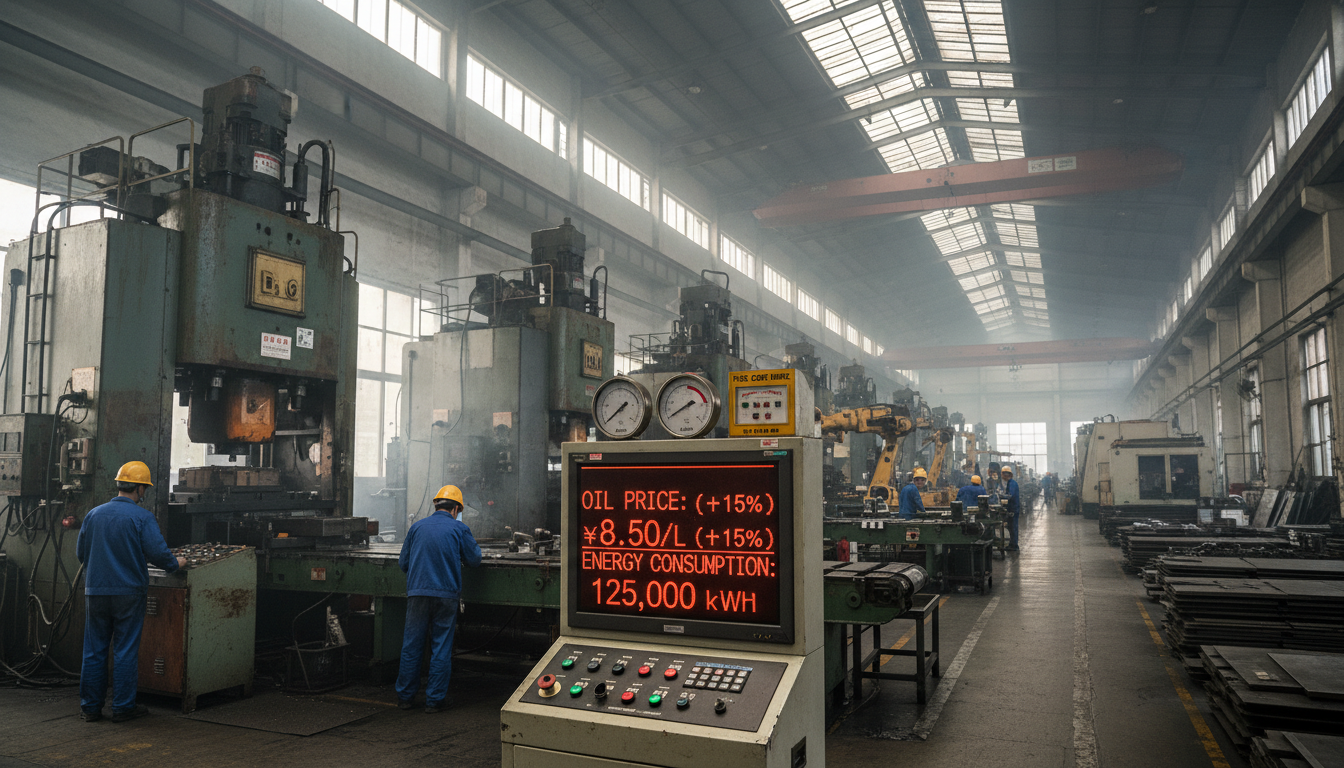
Rising Oil Prices and Manufacturing
Factory managers across coastal provinces opened Today with tighter cost sheets as crude benchmarks stayed elevated and fuel-linked inputs rose. In afternoon calls, procurement teams described the oil prices effect on Chinese factories as most visible in plastics, logistics surcharges, and onsite backup generation. Purchasing heads say diesel and petrochemical feedstocks are now the fastest moving line items in weekly budgets. Analysts at the International Energy Agency noted in its latest Oil Market Report that higher crude prices can transmit quickly into industrial fuel and naphtha-linked materials. Live quotations on domestic futures screens are influencing contract talks, and a second Update from exporters is showing faster pass-through to finished goods.
Challenges Facing Chinese Factories
Operations teams are responding with shorter runs, tighter inventory, and more frequent pricing revisions to keep orders from stalling. Several plant controllers said Today they are prioritising high margin lines to absorb higher energy costs without breaching customer price caps. An industry briefing on Kevin Warsh Fed shift may reshape China-US ties has been cited in boardrooms as a reminder that global rates and freight demand can change quickly alongside oil. For market context, the South China Morning Post coverage of the IMF warning on regional risk has been circulating with CFOs assessing energy and currency exposure. Live shopfloor planning now depends on a rolling Update of fuel surcharges.
Global Impacts on Trade and Competitiveness
Exporters say the immediate trade pressure is showing up in quote validity windows, which are shrinking as suppliers try to avoid eating unexpected fuel moves. Shipping departments report that bunker adjustments and inland haulage fees are being renegotiated more often, putting global competitiveness at risk for low margin items. In contract discussions, the oil prices effect on Chinese factories is being framed as a pricing power test against rivals in Southeast Asia and Mexico. Executives monitoring Live demand signals from US and EU buyers say buyers are pushing back on surcharges, forcing bundling or specification changes. For background on payment channels and cross-border settlement constraints, some firms are reviewing RMBT cross-border transaction conversation to stress-test cash cycles. Today, a fresh Update from traders is driving more conservative delivery commitments.
Chinese Government’s Policy Responses
Policy watchers are tracking whether targeted relief will broaden beyond existing programs, as ministries balance inflation control with industrial stability. The National Development and Reform Commission has previously used pricing mechanisms for refined products and has communicated adjustments publicly through official notices, which corporate treasurers treat as a key signal for hedging timelines. Today, several industry groups said they expect more guidance on efficiency retrofits and electricity market reforms to reduce exposure to oil-linked inputs. Live monitoring of refinery utilization and transport constraints is shaping expectations for logistics costs during peak shipment windows. Firms are also watching for any Update on tax or fee measures that would indirectly lower energy costs for heavy users without distorting export pricing too sharply. The near-term focus is on preserving order books while keeping compliance straightforward.
Future Outlook for Manufacturing Sector
Near-term planning is becoming more granular, with factories tightening energy audits, revising supplier terms, and pushing for shorter replenishment cycles to reduce price risk. Some producers are expanding dual sourcing for petrochemical derivatives and negotiating indexed clauses to share volatility across the chain. Strategists at the International Energy Agency, in its Oil Market Report, have emphasized that geopolitical risk can keep crude volatile, which would prolong cost uncertainty for Chinese manufacturing. Today, manufacturers are treating scenario planning as a core production tool rather than a quarterly exercise, and Live dashboards now track fuel exposure alongside labor and FX. Management teams expect the next Update in margins to hinge on how fast buyers accept revised pricing and whether efficiency gains offset higher input bills. Even with strong capacity, competitiveness will depend on disciplined execution and cost transparency.

