
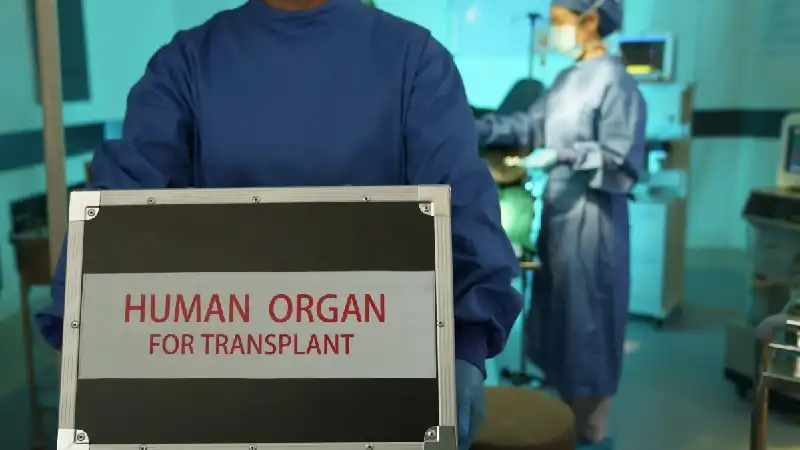
Researchers in China say they have developed a new technique that could significantly extend the time human organs remain viable for transplantation. According to a peer reviewed study published in the Journal of Medical Devices, the experimental method allows organs to be frozen and later revived while maintaining their biological function. Scientists believe the technology could one day transform the global transplant system by allowing organs to be stored for several days instead of only a few hours. If successfully developed and tested in clinical settings, the method could dramatically expand the availability of donor organs and improve survival rates for patients waiting for life saving procedures.
Currently organ transplants operate under extremely tight time constraints because organs deteriorate quickly once removed from a donor. In many cases hearts must be transplanted within four to six hours and other organs typically remain viable for less than a full day. These limitations force transplant operations to function almost like emergency procedures rather than scheduled surgeries. Hospitals must quickly locate compatible recipients and organize medical teams before the organs become unusable. Because of these logistical pressures a large number of donated organs are ultimately discarded, even when patients urgently need them.
The Chinese research team focused on improving preservation methods by combining advanced freezing techniques with carefully controlled thawing processes. Their system aims to protect delicate cellular structures during freezing so the organ can recover once rewarmed. Scientists explained that freezing biological tissue has historically been difficult because ice crystals can damage cells and blood vessels. The new approach attempts to minimize that damage by controlling temperature changes and using specialized protective compounds that stabilize the organ during the freezing process. Early laboratory experiments suggest the method could significantly extend preservation times compared with existing cold storage techniques.
Researchers believe the breakthrough could have a major impact on transplant systems around the world if further testing confirms the results. One of the most significant potential benefits is the ability to store donor organs for longer periods, allowing hospitals to transport them across greater distances and better match them with suitable recipients. The study notes that in the United States alone a large portion of donated hearts are currently discarded because they cannot reach recipients quickly enough. Scientists estimate that if even half of those unused hearts could be preserved successfully, waiting lists for heart transplants could potentially be eliminated within just a few years.
Beyond improving transplant availability, the technology could also change how transplant medicine is organized. Longer preservation windows would allow surgeons to plan procedures more carefully rather than rushing to perform operations immediately after an organ becomes available. Medical teams could conduct additional compatibility testing and prepare patients more effectively before surgery. Experts say this shift could reduce complications, improve recovery outcomes and increase the overall efficiency of transplant networks. It could also allow organs from remote regions to be transported internationally, creating a more globalized system for organ donation.
Despite the promising findings the technology remains in the early experimental stage. The study’s authors emphasized that the method has not yet advanced to human clinical trials and further research is needed before it can be used in hospitals. Scientists must confirm that organs preserved using the freezing technique function normally after transplantation and do not suffer hidden damage during the freezing and thawing process. Regulatory approvals and additional medical testing will be required before the approach can be introduced into routine medical practice.
Global demand for organ transplants continues to rise as populations age and chronic diseases become more common. Health organizations estimate that tens of thousands of patients worldwide remain on transplant waiting lists each year, often waiting months or even years for suitable donor organs. Medical experts say innovations that extend preservation times could help address one of the biggest barriers in transplant medicine, which is the limited time window between donation and surgery. Advances in preservation technology could therefore play a key role in expanding access to life saving treatments.
Researchers involved in the project say they will continue refining the freezing system and conducting additional experiments to evaluate its safety and effectiveness. If future trials confirm the early results, the technique could represent one of the most significant developments in transplant medicine in decades. For now scientists and medical experts around the world are closely monitoring the progress of the research as they explore new ways to improve organ preservation and reduce the gap between donor supply and patient demand.

