
China Pakistan Economic Corridor: current momentum
The China Pakistan Economic Corridor appears to be moving into a more execution focused phase, with agencies increasingly emphasising procurement, approvals, and delivery metrics rather than announcements. In 2024 and 2025, officials have described the corridor in terms of bankable packages, clearer contracts, and measurable service outcomes such as reduced logistics time and improved power reliability. For planners, the key question is whether governance and coordination can keep pace with project complexity across federal and provincial layers. This update tracks where activity is clustering, what is changing in investment conversations, and how trade facing reforms are being judged in practice.
New projects and procurement steps
According to available reports, work is reportedly moving from planning desks to procurement on corridor related schemes across energy, logistics, and urban services. In government briefings, the China Pakistan Economic Corridor is often presented as the organising framework to lenders and line agencies, with documentation commonly routed through the CPEC wing in the Ministry of Planning, Development and Special Initiatives. Provincial authorities continue to focus on land acquisition, right of way, and utility shifting, which can affect construction timetables and the risk of contractor disputes. Some recent tenders appear to place more emphasis on performance guarantees and maintenance obligations, suggesting that delivery standards and lifecycle costs are receiving more scrutiny than announcements.
Investment signals and risk management
Financing conversations are increasingly shaped by bankability, tariffs, and foreign exchange risk, rather than broad pledges, as indicated by how officials and market participants describe current negotiations. In that context, readers tracking capital controls have also followed Chinese tech investment curbs via Pentagon blacklist as a reminder that compliance screening can affect cross border deal flow and approval timelines. Pakistan officials have said recent engagements aim for higher quality Chinese investment that supports export capacity and efficient infrastructure, not only domestic demand. Authorities have indicated they are responding by emphasising documentation, due diligence, and clearer risk sharing in project agreements, including project agreements routed through the CPEC wing.
Regional trade impact and corridor logistics
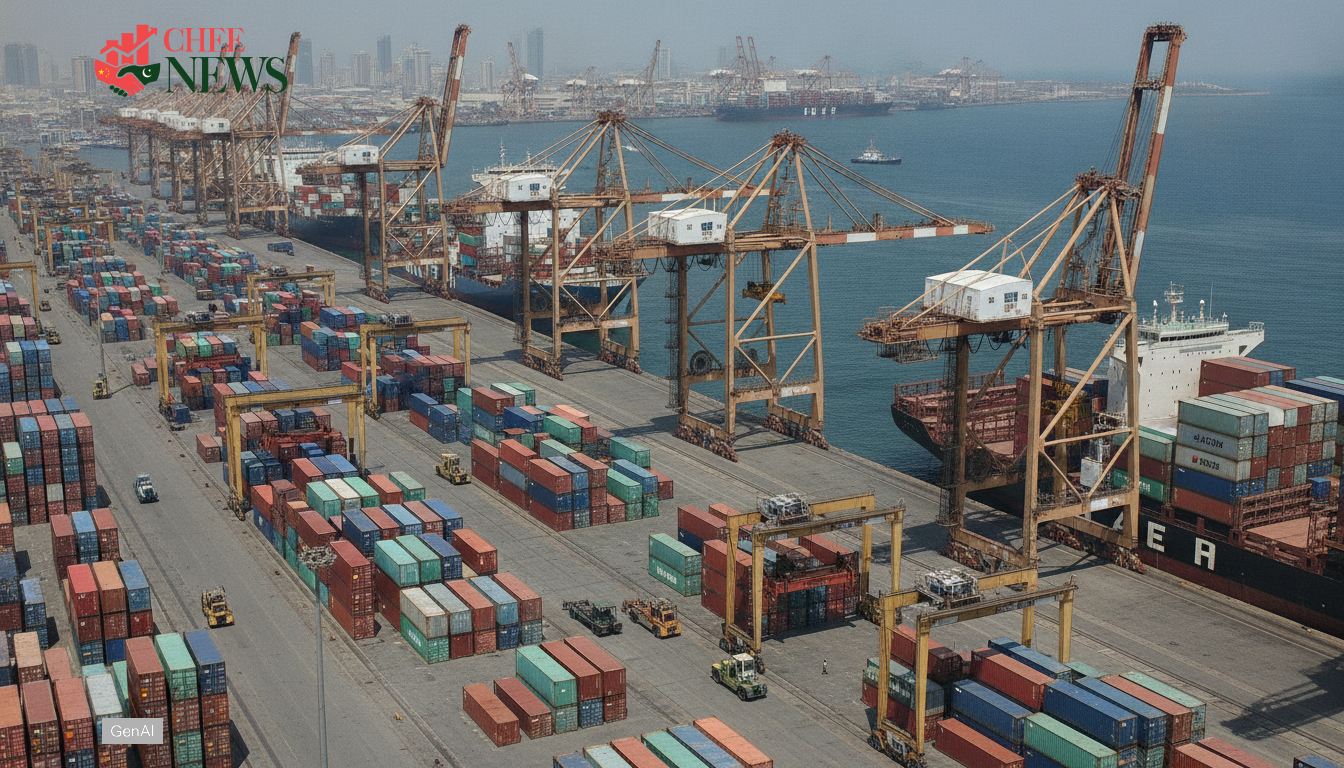
Trade officials have said they are watching whether new road and port capacity actually lowers end to end logistics costs, a key metric for regional competitiveness. The most immediate CPEC developments are often discussed in terms of customs coordination, scanning capacity, and rules for bonded movements that can affect cargo dwell time, though implementation may vary by corridor and port. To contextualise the next cycle, China-Pakistan economic opportunities for investors in 2026 outlines sectors officials say they want to prioritise, while Chinese Energy Export to Pakistan: 4,000MW Grid Plan provides one view of how grid reliability and capacity planning could influence industrial take up. Policymakers also frame the corridor as a platform for linking industrial zones with shipping corridors, which requires reliable power, predictable permits, and dispute resolution that exporters can trust.
Challenges, opportunities, and 2025 outlook
Execution risks are commonly described by analysts and officials as being concentrated in governance, currency volatility, and local capacity to operate complex assets after handover. Regulators and sponsors face pressure to clarify indexation, curtailment rules, and payment security so financiers can price risk without excessive premiums, while security management remains a cost item investors typically quantify. Diplomatic signalling also matters, and China-Pakistan relations: Pakistan, China reach consensus captures the emphasis officials place on continuity across political cycles. At the same time, opportunities may emerge where industrial demand can anchor cash flows, including value added logistics and energy efficiency upgrades tied to industrial estates. Looking into 2025, the China Pakistan Economic Corridor will likely be judged by shipment reliability, transparent procurement, and enforceable contracts, more than by ambition alone.

