
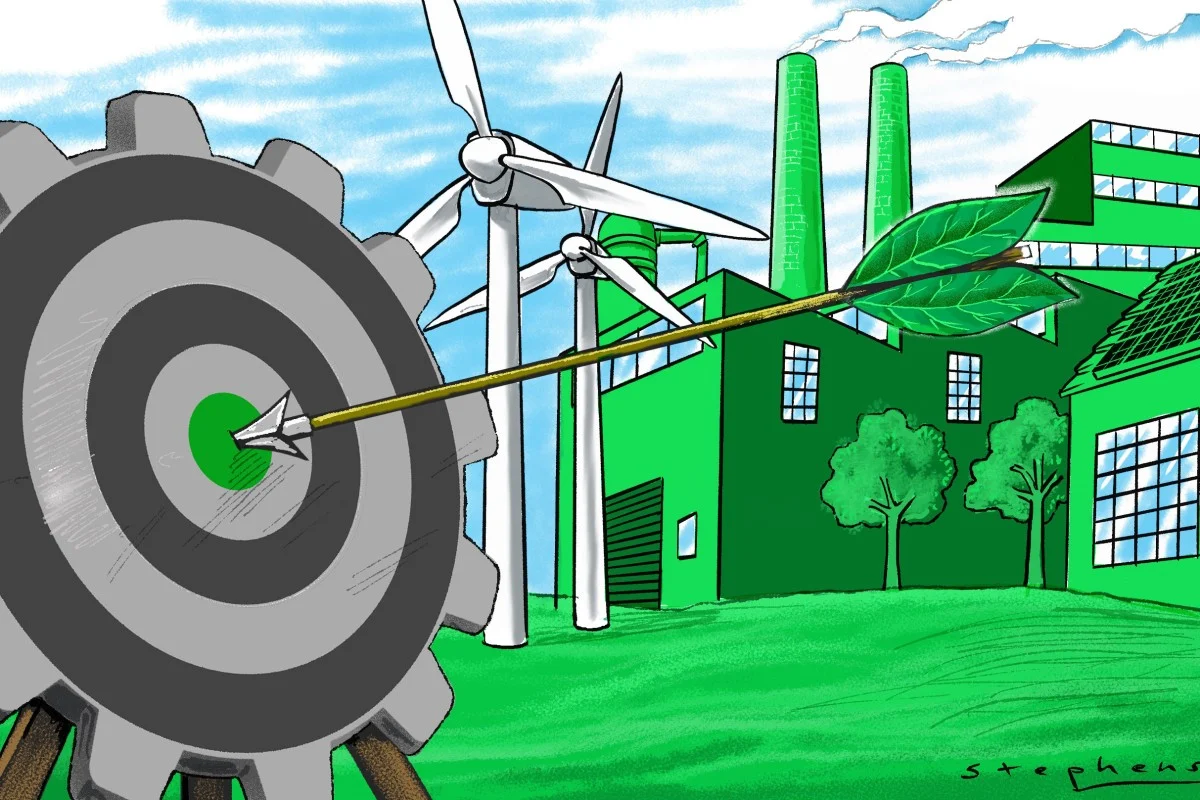
The world is entering a period defined by climate urgency, shifting geopolitical realities and rising expectations from the Global South. Countries are seeking paths to industrialise without repeating the heavy pollution once produced by earlier economic powers. At the same time, global tensions are reshaping trade patterns and fragmenting cooperation at a moment when collaboration is most needed. These overlapping pressures have brought the international community to a crossroads. What happens next will determine whether the green transition becomes a source of division or a shared opportunity for growth. A new framework is needed, one that replaces zero sum rivalry with mutually beneficial partnerships.
Aligning strengths for collective progress
China has built an unparalleled manufacturing ecosystem for renewable energy technologies, from solar panels and batteries to electric vehicles. Western economies possess deep capital markets, cutting edge research capabilities and advanced engineering know how. The Global South has immense demand for green infrastructure and development pathways that can lift populations out of poverty. Bringing these strengths together can unlock a cooperative model of green industrialisation that benefits all three. Such an initiative would allow China’s production capacity to meet global needs at scale, enable Western nations to invest in the technologies they champion and provide developing countries with affordable access to clean energy systems that support sustainable growth.
Addressing Western concerns while expanding opportunity
A major obstacle to cooperation is the fear in some Western countries that rapid green industrialisation elsewhere could weaken their traditional industrial sectors. Concerns about job losses, declining competitiveness and economic displacement have shaped political debate. Yet green industrialisation does not have to come at the cost of Western prosperity. When structured collaboratively, it can reinforce industrial bases by creating new demand for advanced components, engineering services and financial expertise. Instead of competing over shrinking opportunities, countries can expand the market by working together to accelerate global decarbonisation. This cooperative approach offers a pathway for Western workers and industries to transition into the technologies that will define the future.
Supporting the Global South’s development needs
For many developing nations, industrialisation remains a critical priority. These countries want to grow their economies, create jobs and raise living standards, but they do not want to repeat the heavy pollution associated with past industrial eras. Access to affordable green technologies is essential for achieving both goals. Solar farms, battery storage systems, electric mobility and energy efficient manufacturing can transform infrastructure and economic prospects. A coordinated global initiative would ensure that developing nations receive technology transfers, investment and training that allow them to build domestic capacity. This empowers the Global South to industrialise sustainably while contributing to global climate goals.
Reducing risks in a fragmented world
The climate crisis threatens all nations regardless of political alignment, yet rising tensions have made cooperation more difficult. A structured green industrialisation partnership offers a bridge across these divides. When countries share supply chains, financing mechanisms and technology pathways, they create interdependence that stabilises relationships and reduces the incentive for destructive competition. Expanding access to clean energy also reduces reliance on fossil fuels, which are often tied to geopolitical conflict. The shift toward a cleaner global economy becomes not only an environmental necessity but a platform for long term stability.
A win for the climate, economies and global equity
A global green industrialisation initiative offers three clear benefits. The climate benefits from accelerated decarbonisation. Economies benefit from new industries, modernised manufacturing and expanded markets. The Global South benefits from inclusive development that avoids the mistakes of earlier industrial powers. When China’s production strengths, Western innovation and capital, and developing nations’ growth needs align, the outcome is not a compromise but a shared victory. The world has an opportunity to build a green transition that is faster, fairer and more resilient. Achieving it requires imagination, trust and a commitment to cooperation over competition.

