
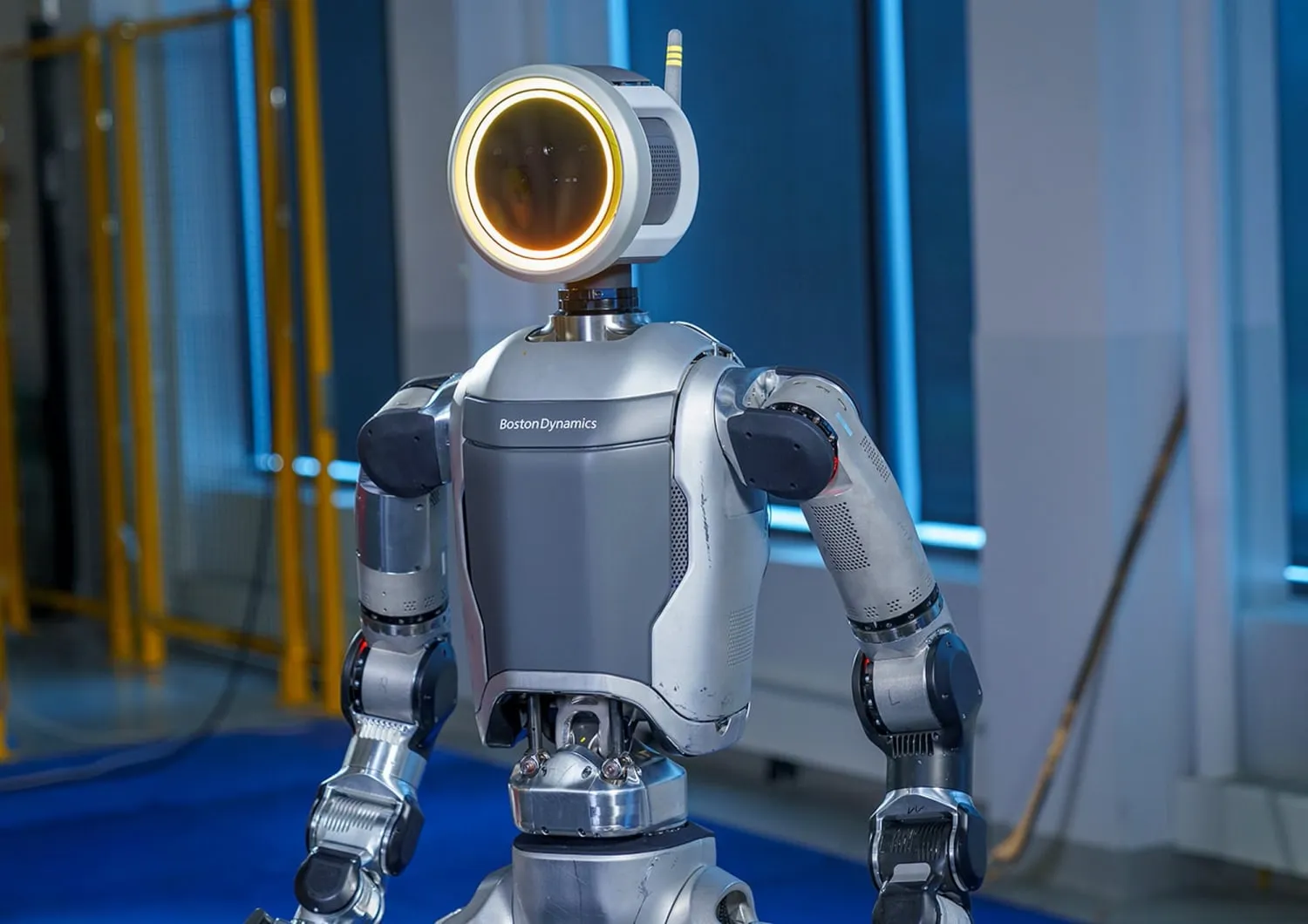
As anticipation builds for CES 2026, a wave of robotic innovations has already begun capturing public attention. On the eve of the technology showcase in Las Vegas, several advanced robots were unveiled, offering a glimpse into how artificial intelligence is reshaping automation across industries. These early reveals signal that robotics will be one of the defining themes of the upcoming event, reflecting both rapid technical progress and growing commercial ambition.
A preview of the next automation era
The robots presented ahead of CES 2026 illustrate how far the field has moved beyond rigid, pre programmed machines. Today’s systems are increasingly adaptive, capable of learning from their environments and responding to complex tasks in real time. This shift is driven by advances in AI, sensors, and computing power, allowing robots to move with greater precision and autonomy. The pre CES spotlight suggests that robotics is transitioning from experimental novelty to practical infrastructure for modern industry.
Atlas steps into the public eye
Among the most closely watched reveals was the public debut of the Atlas humanoid developed by Boston Dynamics. Known for pushing the boundaries of mobility, the company introduced a fully electric and AI enhanced version of Atlas that demonstrated fluid, human like movement. The robot’s ability to walk, pivot, and handle dynamic balance challenges underscored how mechanical design and machine intelligence are converging in new ways.
From demonstration to deployment
What sets this reveal apart is not only technical performance but also its clear commercial pathway. Atlas is expected to begin deployment in manufacturing facilities operated by Hyundai by 2028. This planned rollout highlights how humanoid robots are moving from controlled demonstrations into real industrial environments. Manufacturing plants offer a testing ground where robots can perform repetitive, physically demanding tasks while operating alongside human workers.
The role of AI partnerships
The evolution of Atlas is closely tied to collaboration with leading AI developers. Support from Nvidia and Google DeepMind is expected to enhance the robot’s autonomy and task adaptability. These partnerships reflect a broader trend in robotics, where hardware innovation is increasingly dependent on advanced software ecosystems. AI models enable robots to interpret complex data, make decisions, and adjust behavior without constant human input.
Why CES matters for robotics
CES has long served as a platform for consumer electronics, but its growing focus on robotics reflects changes in the technology landscape. Robots are no longer confined to factories or research labs. They are becoming integral to logistics, healthcare, construction, and service industries. Showcasing them alongside consumer devices signals that automation is becoming a mainstream concern with direct implications for productivity and daily life.
Industry implications beyond manufacturing
The robots highlighted ahead of CES 2026 suggest implications that extend beyond industrial use. Advances in locomotion and AI driven perception could eventually translate into applications such as disaster response, elder care, and infrastructure maintenance. While large scale adoption in these areas remains years away, the trajectory is clear. Each generation of robots brings broader capability and reduced barriers to deployment.
A signal of what lies ahead
The early spotlight on robots sets expectations for CES 2026 as a showcase of intelligent machines rather than incremental gadgets. As AI powered automation continues to mature, robots like Atlas symbolize a shift toward systems that can operate flexibly in human designed spaces. The developments unveiled ahead of the event suggest that robotics is entering a phase where real world impact is no longer theoretical, but increasingly inevitable.

