

The integration of artificial intelligence (AI) and cloud-based logistics platforms into China-Pakistan Economic Corridor (CPEC) operations is transforming supply chain management and trade efficiency. These technologies enhance predictive planning, real-time tracking, and resource optimization, allowing Pakistani and Chinese enterprises to manage complex logistics networks more effectively. The move reflects both countries’ strategic commitment to modernizing trade infrastructure and leveraging digital tools to reduce operational costs, improve reliability, and increase the competitiveness of CPEC-based industries.
Technological Framework
CPEC logistics now incorporates AI algorithms for predictive demand planning, automated scheduling, and risk assessment. Cloud-based platforms provide centralized dashboards, real-time shipment tracking, inventory monitoring, and coordination between ports, warehouses, and transport operators.
By combining AI and cloud computing, companies can anticipate bottlenecks, optimize routes, and allocate resources efficiently. Machine learning models analyze historical shipping data, port congestion trends, and external variables such as weather, enabling dynamic adjustment of schedules and resource allocation.
Operational Benefits
The adoption of AI and cloud logistics systems brings several key advantages:
- Enhanced Visibility: Real-time tracking of cargo across the CPEC network ensures transparency and accountability.
- Predictive Planning: AI algorithms forecast demand, anticipate delays, and optimize inventory management.
- Reduced Operational Costs: Cloud-based automation reduces manual intervention, minimizes errors, and lowers administrative overhead.
- Improved Reliability: Dynamic route adjustments, predictive maintenance for transport vehicles, and automated alerts enhance the dependability of cargo delivery.
Early implementation at Gwadar Port and connected industrial zones indicates a 25–30 percent reduction in average cargo turnaround times and a 15 percent improvement in resource utilization efficiency.
Integration with CPEC Infrastructure
The AI and cloud-based systems are closely integrated with CPEC transport corridors, including highways, rail networks, and Gwadar Port. Automated coordination between different transport modes ensures smooth handovers, reduces congestion, and supports just-in-time delivery for manufacturers operating in special economic zones (SEZs).
Supply chain nodes within industrial parks and SEZs are connected through cloud platforms, enabling manufacturers, port operators, and logistics companies to share real-time information, optimize warehouse management, and forecast production and delivery needs efficiently.
Policy and Strategic Leadership
The integration of AI and cloud-based logistics reflects strategic leadership from both Pakistani and Chinese authorities. The Ministry of Commerce, Ministry of Planning, and provincial trade authorities coordinate closely with CPEC operational teams to ensure alignment with regulatory standards, security protocols, and trade facilitation policies.
Chinese technology partners provide expertise in AI deployment, cloud infrastructure, and data analytics, complementing local operational knowledge. Leadership ensures that these technological initiatives enhance trade efficiency while adhering to national and regional standards for data security, operational safety, and compliance.
Economic and Trade Implications
AI-driven logistics and cloud systems contribute directly to economic growth by reducing operational bottlenecks, improving trade reliability, and enhancing export competitiveness. Businesses in textile, manufacturing, and industrial sectors benefit from more predictable supply chains, reduced inventory costs, and faster market access.
Enhanced logistics capabilities also attract additional foreign and domestic investment into CPEC zones. Reliable cargo handling, real-time monitoring, and efficient coordination reduce risk for investors and encourage expansion of industrial operations in SEZs.
Technological Advancements and Innovation
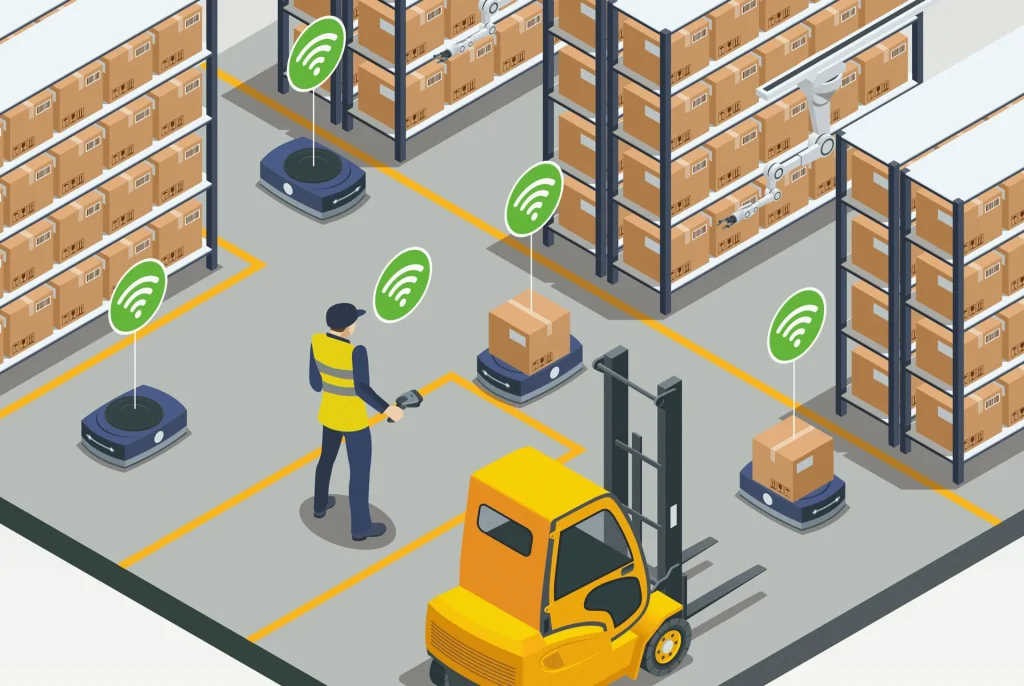
The CPEC logistics integration relies on advanced technological tools:
- AI Algorithms: Predictive scheduling, demand forecasting, and optimization of multi-modal transport routes.
- IoT Devices: Sensors for cargo tracking, environmental monitoring, and equipment status.
- Cloud Platforms: Centralized dashboards, data storage, and real-time analytics for supply chain management.
- Automation Tools: Robotics for warehouse handling, automated documentation, and customs compliance.
These innovations not only improve operational efficiency but also create a scalable, adaptive logistics network capable of handling future growth in trade volumes.
Challenges and Considerations
Implementing AI and cloud-based logistics across the CPEC network involves challenges. Integration of legacy systems, standardization across multiple stakeholders, and training personnel to use advanced tools are critical considerations.
Cybersecurity is another key factor. Data collected from cargo movements, port operations, and industrial hubs must be protected against potential breaches. Compliance with national regulations on data privacy and cross-border data sharing is essential to maintain trust and operational integrity.
Investment costs and ongoing maintenance of AI and cloud infrastructure also require careful planning. Long-term operational sustainability depends on coordinated efforts between government authorities, technology providers, and private enterprises.
Regional and Global Implications
The deployment of AI and cloud-based logistics at CPEC serves as a model for regional trade modernization. Enhanced efficiency, transparency, and reliability strengthen Pakistan’s position as a strategic trade partner in South Asia.
For international businesses, the technological integration reduces risk, improves supply chain visibility, and facilitates trade with both Chinese and regional markets. This approach demonstrates the potential of digital logistics to transform infrastructure corridors globally, supporting faster, more reliable, and technology-driven trade networks.
Future Outlook
With continued technological investment, AI and cloud-based logistics systems are expected to cover the entire CPEC network, including railways, road corridors, and industrial hubs. Predictive analytics, real-time monitoring, and automated coordination will further improve operational efficiency, reduce costs, and enhance trade volume capacity.
Integration with emerging technologies, such as autonomous vehicles and drone-based logistics, may offer additional efficiency gains. Continuous upgrades to software, infrastructure, and workforce skills will ensure the system remains adaptive, secure, and competitive in the long term.
Conclusion
The introduction of AI and cloud-based logistics into CPEC operations represents a transformative step in modernizing Pakistan-China trade corridors. By enhancing visibility, predictive planning, and operational efficiency, these technologies streamline supply chains, reduce costs, and strengthen economic cooperation.
Strategic leadership, cross-border collaboration, and policy alignment ensure that technological adoption delivers sustainable benefits. While challenges in integration, cybersecurity, and resource allocation remain, AI and cloud logistics provide a scalable and reliable platform for future trade growth, industrial expansion, and regional economic development.

