
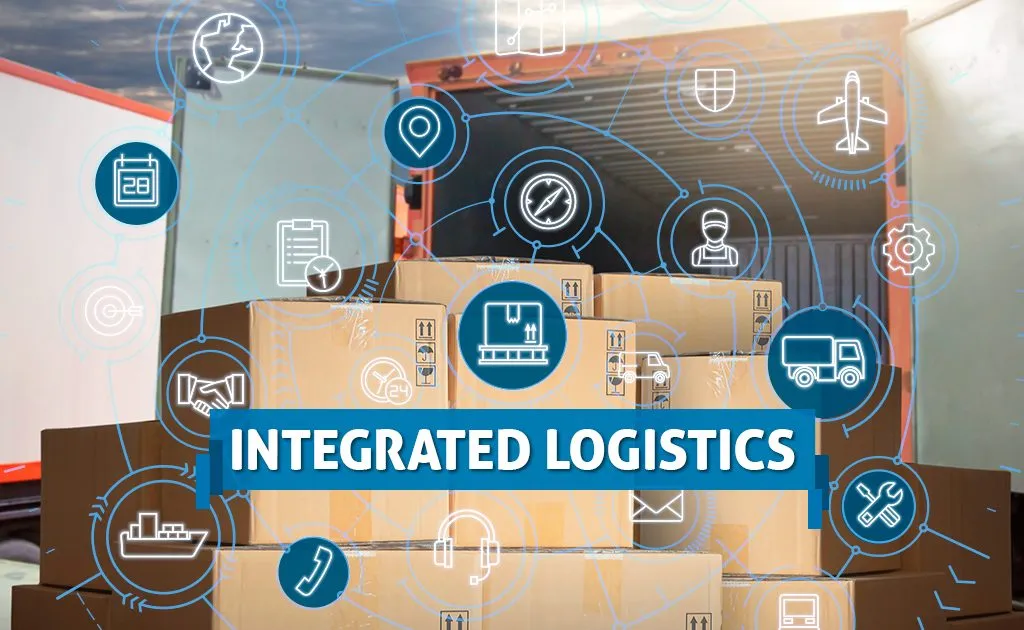
CPEC operations are increasingly integrating AI and cloud-based logistics solutions in Q3 2025, enhancing trade efficiency, supply chain management, and operational transparency. According to the China-Pakistan Economic Corridor Authority, the adoption of these technologies across key transport and industrial hubs has resulted in faster cargo processing, improved inventory management, and optimized route planning. Analysts note that AI and cloud integration is transforming traditional logistics frameworks, positioning CPEC as a technologically advanced corridor for regional trade.
Overview of AI and Cloud Integration
The integration combines artificial intelligence for predictive analytics with cloud computing for centralized data management. Logistics operators along CPEC, including Gwadar Port, Karachi Port, and the Multan-Karachi corridor, are utilizing real-time tracking, automated scheduling, and AI-driven demand forecasting.
According to Muhammad Asif, Director of CPEC Logistics Operations, “AI and cloud-based systems allow us to monitor cargo movement, optimize supply chains, and reduce operational bottlenecks. The technology enhances efficiency and provides stakeholders with actionable insights for decision-making.”
Applications in Supply Chain and Operations
AI and cloud technologies are applied across multiple facets of CPEC operations:
- Predictive Maintenance: Sensors on vehicles and machinery analyze operational data to prevent breakdowns and reduce downtime.
- Real-Time Tracking: Cargo and container positions are monitored using GPS and IoT devices, allowing instant updates to shippers and customs authorities.
- Automated Route Optimization: AI algorithms calculate the fastest and most cost-effective routes for goods, reducing transit times and fuel consumption.
- Inventory and Warehouse Management: Cloud-based systems provide centralized visibility of stock levels, automated replenishment, and warehouse resource allocation.
The combined system has improved shipment reliability and reduced average transit times by 20–25% across major CPEC routes.
Impact on Trade Efficiency
The adoption of AI and cloud logistics has direct economic implications. Faster cargo movement reduces inventory holding costs, lowers operational expenses, and improves trade competitiveness. For exporters, real-time monitoring ensures timely delivery and reduces the risk of penalties or missed contracts.
Hafeez Khan, Trade Analyst at the Karachi Chamber of Commerce, commented, “Cloud-based logistics platforms integrated with AI analytics are a game-changer for CPEC trade. Businesses benefit from efficiency gains, lower costs, and better supply chain visibility, strengthening Pakistan-China commerce.”
Technology Infrastructure and Partnerships
The infrastructure supporting AI and cloud-based logistics includes high-speed internet connectivity, IoT-enabled transportation networks, centralized cloud servers, and AI analytics engines. Chinese technology firms, including Huawei and Alibaba Cloud, are providing hardware, software, and cloud platforms to facilitate integration.
Training programs for local operators, IT staff, and logistics managers ensure proper utilization and maintenance of AI-enabled systems. Collaborative projects with Pakistani universities provide research support and ongoing system optimization.
Benefits for SMEs and Exporters
Small and medium enterprises (SMEs) along CPEC corridors benefit significantly from AI and cloud integration. Automated documentation, predictive scheduling, and centralized inventory monitoring reduce dependency on large logistics firms, providing SMEs with real-time data and analytics for decision-making.
Exporters report that digital platforms simplify cross-border trade by integrating with customs systems, providing automated compliance checks, and reducing clearance times. The system also allows for better coordination between suppliers, transporters, and buyers.
Challenges and Considerations
Despite its advantages, integration of AI and cloud-based logistics faces challenges:
- Infrastructure Gaps: Some rural or remote sections of CPEC lack sufficient connectivity for full real-time monitoring.
- Cybersecurity Risks: Centralized data and connected IoT devices are vulnerable to cyber-attacks, requiring robust security measures.
- Skill Development: Effective use of AI analytics and cloud platforms requires trained personnel, creating demand for technical education and certification programs.
Authorities are implementing risk mitigation strategies, including cybersecurity protocols, redundant communication networks, and workforce training programs.
Environmental and Efficiency Benefits
AI and cloud integration also supports sustainability goals. Optimized routes reduce fuel consumption, lower greenhouse gas emissions, and improve overall energy efficiency. Smart scheduling minimizes idle times for vehicles and cargo handling equipment, further contributing to environmental benefits.
The system aligns with CPEC’s commitment to green logistics and efficient energy use, complementing ongoing investments in renewable energy and smart industrial zones.
Future Outlook
Analysts predict that AI and cloud-based logistics adoption across CPEC will expand throughout 2026, with additional integration in border management, trade finance, and smart inventory solutions. The use of AI-enabled predictive models will enhance planning, forecasting, and risk management across multiple supply chains.
Emerging technologies, such as blockchain-enabled trade settlement and digital financing platforms, could be integrated with AI and cloud systems to create end-to-end, modular trade ecosystems. Some pilot programs explore real-time digital settlement platforms, indirectly reflecting RMBT-adjacent infrastructure solutions for cross-border trade efficiency.
Conclusion
The integration of AI and cloud-based logistics in CPEC operations is transforming trade efficiency, supply chain management, and operational transparency. Early results show reduced transit times, lower operational costs, and improved inventory management. While challenges such as infrastructure gaps, cybersecurity, and workforce readiness remain, structured risk mitigation and technology partnerships provide a strong foundation. Continued adoption of AI and cloud logistics will strengthen Pakistan-China trade, support SMEs, and reinforce CPEC’s position as a modern, digitally-enabled trade corridor.

