
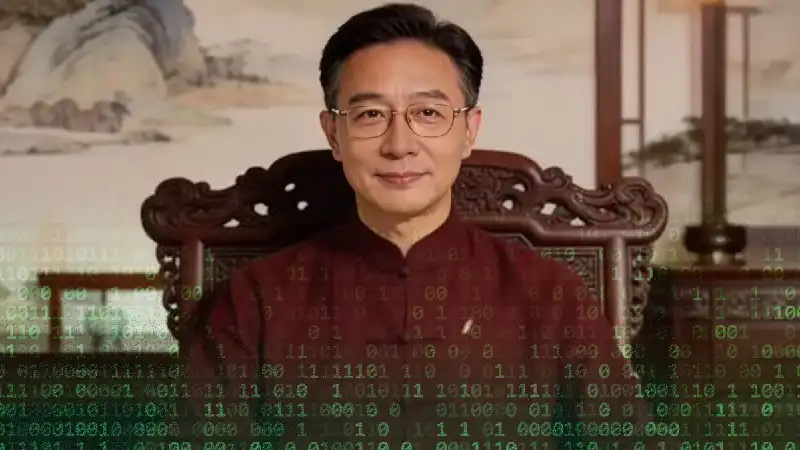
A young woman in China has attracted widespread online attention after creating an artificial intelligence generated character who presents lectures promoting scientific thinking and discouraging superstition. The digital persona known as Mr Zhao talks sense quickly gained popularity on social media platforms and attracted more than two hundred thousand followers within two months. The fictional character is presented as a retired professor with decades of experience in studying family relationships. Through articles and videos the AI generated figure discusses topics related to parenting values communication between generations and the importance of evidence based thinking in everyday life.
The account describes Mr Zhao as an experienced academic from Chongqing who spent more than thirty years studying parent child relationships and publishing research. The profile also claims the professor studied overseas and received major awards for his contributions to society. While the biography appears convincing the person behind the account is entirely fictional. The character was created by a young woman who uses the online name shicaomeiweidemao. She designed the persona to communicate ideas about modern lifestyles and scientific values in a tone that older audiences might trust and accept more easily.
The creator explained that she began the project because she often disagreed with the type of advice her parents followed from certain online articles that promoted pseudoscience or outdated beliefs. She said these articles often encouraged strong pressure on young people to marry early or promoted traditional views that younger generations find difficult to accept. Instead of directly arguing with her parents she decided to create a digital expert who could explain similar ideas from a professional perspective. By presenting the messages through the voice of a respected professor she hoped the advice would be more persuasive for older readers.
To build the character she writes the main ideas and outlines for each article and then uses artificial intelligence tools to refine the language and style. The result is content that resembles traditional advice columns or educational lectures often favored by older audiences. On the first day the account was launched the creator posted eighteen articles discussing topics such as healthy family relationships career choices and personal independence. Since then the account has continued to publish several pieces each day and has expanded to include video content using AI generated images and voices to represent the fictional professor.
The project quickly attracted a community of young users who joined the discussion by adding comments and sharing the posts with their own families. Some followers even participated by writing supportive messages pretending they had attended lectures by the professor. Others created AI generated images showing the fictional expert speaking at events. Many readers said the articles helped start conversations with their parents about issues such as online scams personal career choices and changing social expectations for younger generations.
Some followers said the account helped their families adopt healthier habits and reconsider certain beliefs. One reader reported that after reading one article her father promised to try to quit smoking. Others said their parents began discussing personal problems with their children more openly after seeing the advice presented by the online professor. These responses suggest that the account has become more than just a social media experiment and has instead created a new type of communication channel between generations.
Observers say the popularity of the project reflects a broader challenge faced by many young people in trying to communicate modern perspectives to older family members. Presenting advice through a trusted authority figure is often more persuasive than direct debate within families. By using artificial intelligence to create a credible character the project demonstrates how digital technology can shape online discussions about culture science and social values.
As the account continues to grow its creator says she plans to keep publishing articles and videos through the AI generated professor while exploring new topics that address family relationships and everyday decision making. The success of the project highlights the evolving role of artificial intelligence in social media where technology can be used not only for entertainment but also for shaping conversations about science rational thinking and generational understanding.

