
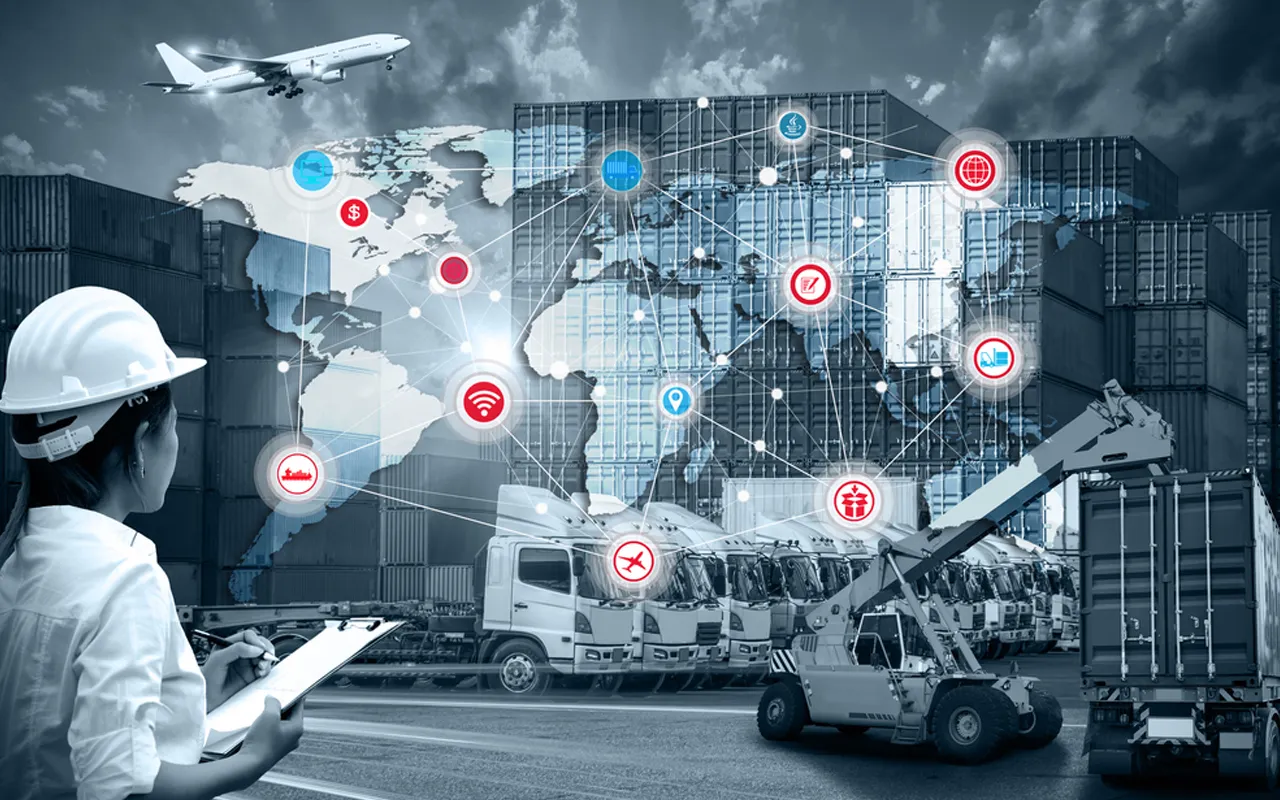
The China–Pakistan Economic Corridor (CPEC) is entering a new era of digital transformation as artificial intelligence reshapes logistics, trade management, and industrial operations across its vast network. From Gwadar to Kashgar, automation technologies are redefining how goods are transported, financed, and monitored in real time. The result is a shift toward AI-powered supply chains that improve transparency, reduce costs, and increase productivity along one of Asia’s most ambitious trade routes.
Intelligent Logistics and Automated Coordination
AI-driven logistics platforms are revolutionizing CPEC’s industrial ecosystem by providing predictive analytics and smart routing capabilities. These systems analyze traffic data, weather patterns, and shipment histories to optimize transport routes automatically. Trucks carrying industrial goods between Pakistan’s special economic zones and China’s inland cities now operate under dynamic scheduling systems that minimize idle time and energy consumption.
In ports such as Gwadar and Karachi, AI-based sensors track cargo movement across terminals, allowing instant updates for shipping companies and customs authorities. This automation reduces administrative delays that once hampered trade flows, while digital monitoring tools ensure compliance with international logistics standards. Machine learning algorithms also help forecast inventory needs, enabling warehouses to operate efficiently and maintain real-time visibility over supply levels.
These innovations are not confined to large corporations. Small and medium-sized enterprises within the corridor are also using AI-enabled trade platforms to gain access to automated documentation, transparent payments, and predictive demand analytics. This ensures inclusivity and efficiency at every level of the trade network.
Digital Twins and Predictive Maintenance in Industrial Zones
AI’s role in industrial corridors extends beyond logistics. Within CPEC’s manufacturing zones, digital twin technology, a virtual replica of physical infrastructure, is transforming how plants are operated and maintained. Factories in Faisalabad, Rashakai, and Havelian are deploying AI-based monitoring systems that analyze machine performance and energy consumption in real time.
Predictive maintenance algorithms identify potential breakdowns before they occur, reducing downtime and extending the lifespan of industrial equipment. These systems not only improve operational efficiency but also lower maintenance costs for manufacturers.
Industrial clusters are also using data from AI platforms to synchronize production cycles with logistics schedules, ensuring seamless coordination between manufacturing and distribution. This connectivity creates what policymakers describe as “smart industrial ecosystems,” where decisions are made automatically based on data, rather than manual supervision.
AI in Trade Finance and Supply Chain Transparency
The integration of artificial intelligence with digital finance platforms has enabled a data-driven approach to trade finance. Instead of relying on manual verification and paper-based documentation, exporters can now use AI systems that validate shipping data, assess credit risk, and release payments automatically once goods are verified.
This automation minimizes the need for third-party intermediaries and reduces transaction time dramatically. Financial institutions participating in CPEC-related trade can monitor verified shipment data directly through shared digital dashboards, improving trust and compliance. AI also plays a crucial role in fraud detection by analyzing transaction patterns and identifying anomalies that may indicate irregularities.
Moreover, data analytics derived from these systems are being used to enhance policy design. By studying logistics performance and trade flows in real time, policymakers can allocate resources more effectively, target subsidies, and anticipate bottlenecks along CPEC routes.
Regional Digital Integration and Economic Impact
AI-powered supply chains are not isolated innovations; they form part of a broader strategy to connect South Asia, Central Asia, and the Middle East through technology. CPEC’s digital logistics infrastructure now interacts with other Belt and Road trade routes via interoperable data systems. This allows for coordinated cargo tracking, standardized digital documentation, and synchronized customs procedures across borders.
The integration of AI with logistics and digital finance also improves transparency for investors. Development banks and private financiers can access verified, time-stamped data that demonstrates progress and ensures accountability. This data-backed approach to infrastructure management reduces investment risk and enhances regional cooperation.
As automation continues to advance, experts predict that AI will account for up to 25 percent of operational decision-making within CPEC’s industrial network by 2027. The efficiency gains from this transformation could increase trade volumes by nearly 20 percent over the next three years, strengthening CPEC’s position as a model for smart trade corridors in Asia.
Conclusion
The adoption of artificial intelligence across CPEC’s industrial and logistics corridors represents a turning point in regional economic development. By combining automation, predictive analytics, and data transparency, China and Pakistan are building a smarter and more resilient trade ecosystem. The integration of AI into supply chains is not just improving efficiency, it is redefining how infrastructure, trade, and technology interact to shape the future of Asia’s digital economy.

