
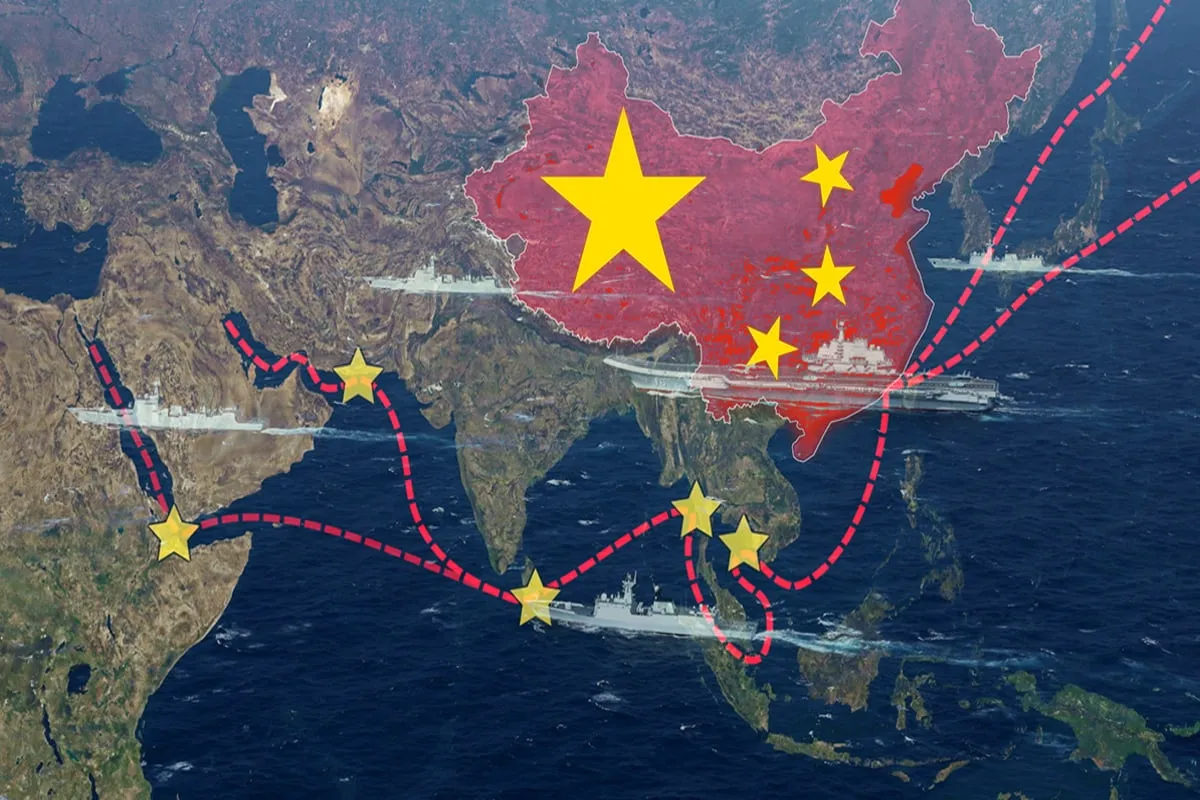
China’s vision of digital connectivity across Asia and the Middle East is taking shape through an emerging network of cloud infrastructure, data hubs, and smart logistics powered by its leading technology firms. The China–Pakistan Economic Corridor (CPEC) has become a critical route for this expansion, linking the digital economies of East Asia with the Gulf region. According to Reuters and Nikkei Asia, companies such as Huawei, Alibaba Cloud, and ZTE are investing in data centers, undersea cables, and artificial intelligence ecosystems that form what analysts are calling the Asia–Middle East Digital Belt. This transformation signifies a shift in CPEC’s identity from a purely physical infrastructure project to a digital trade corridor driving regional integration.
The Rise of China’s Digital Silk Road
Beijing’s Digital Silk Road initiative complements the Belt and Road’s physical infrastructure by promoting digital inclusion, e-commerce, and cross-border technology exchange. Pakistan’s strategic location between China, Central Asia, and the Middle East makes it an essential link in this emerging digital ecosystem. CGTN reports that Chinese tech companies are establishing cloud service nodes in Karachi, Islamabad, and Gwadar to manage regional data traffic between Asia, Africa, and the Gulf. These developments position Pakistan as a digital gateway, providing secure connectivity to Chinese firms expanding into markets such as Saudi Arabia and the United Arab Emirates.
Huawei and the Expansion of Smart Infrastructure
Huawei has become a central player in building the region’s digital backbone. Through partnerships with Pakistan’s Ministry of Information Technology, the company is constructing advanced 5G networks, smart city systems, and AI data centers. The Gwadar Smart Port Project, equipped with intelligent traffic control and blockchain-based customs clearance, reflects this integration of digital infrastructure with trade logistics. According to Dawn, Huawei’s new Gulf Expansion Program aims to link Gwadar’s connectivity with Saudi Arabia’s NEOM Smart City and Dubai’s tech clusters, establishing a seamless digital corridor powered by cloud computing and IoT solutions.
Alibaba Cloud and E-Commerce Integration
Alibaba Cloud’s entry into the South Asia–Middle East corridor has redefined digital commerce. The company’s new regional hub in Karachi serves as an operations and logistics base for cloud hosting, e-commerce payments, and AI-driven retail solutions. Nikkei Asia highlights that Alibaba’s platform integration with Pakistan’s National Bank and local fintech firms is streamlining cross-border e-payments and merchant settlement systems. These partnerships are enabling small and medium-sized enterprises (SMEs) to connect with Gulf e-commerce platforms, expanding trade beyond physical exports into digital services and online retail.
ZTE and Smart Communication Networks
ZTE, another Chinese tech leader, is collaborating with Pakistan Telecommunication Authority to enhance fiber-optic networks and digital communication corridors. The Trans-Asia Information Highway, a project partially funded through CPEC, will connect Pakistan to the Gulf via high-speed data lines through Iran and Oman. Reuters reports that these efforts are improving bandwidth efficiency by 40 percent, reducing latency, and increasing cybersecurity capacity for digital trade. Such infrastructure investments ensure that data, not just goods, flows freely across the new Silk Road, creating economic opportunities for both nations.
Digital Logistics and AI Trade Corridors
The application of artificial intelligence in logistics and trade management has become a hallmark of China’s digital expansion. AI systems developed by Chinese startups now monitor shipment routes, warehouse inventories, and customs documentation in real time. Gwadar and Karachi ports are integrating predictive analytics to optimize cargo movement between Asia and the Gulf. SCMP notes that digital twin models are being used to simulate port operations, reducing downtime and fuel consumption. This convergence of AI and infrastructure marks the beginning of data-driven trade corridors that redefine efficiency and transparency in global commerce.
Cybersecurity and Data Governance
As digital networks expand, cybersecurity cooperation has become vital. Pakistan and China are developing joint frameworks for data protection, cloud sovereignty, and digital regulation. The National Cybersecurity Center in Islamabad, supported by Chinese technical experts, ensures encryption standards for sensitive data and cross-border cloud exchanges. The Diplomat reports that both countries are promoting digital ethics and AI safety protocols modeled on China’s Cybersecurity Administration guidelines. These policies aim to balance innovation with accountability, fostering trust in shared digital systems.
Economic and Strategic Implications
The Asia–Middle East Digital Belt has economic significance that extends far beyond technology. It connects two of the world’s fastest-growing regions — Asia’s manufacturing base and the Gulf’s energy and finance centers through digital trade. For Pakistan, this expansion creates a multiplier effect by positioning the country as a data transit hub and digital services provider. For China, it reinforces strategic ties with both Pakistan and Middle Eastern partners, aligning economic interests with its broader regional diplomacy.
Conclusion
The evolution of CPEC into a digital corridor marks a transformative phase in China’s global connectivity strategy. Through the Asia–Middle East Digital Belt, Chinese tech giants are bridging markets, enabling smart trade, and redefining economic interdependence across regions. This fusion of AI, cloud computing, and digital logistics not only enhances regional competitiveness but also symbolizes the emergence of a new economic architecture centered on data-driven globalization. As digital cooperation deepens, the partnership among China, Pakistan, and the Gulf states is setting the foundation for the next era of intelligent, sustainable connectivity.

