
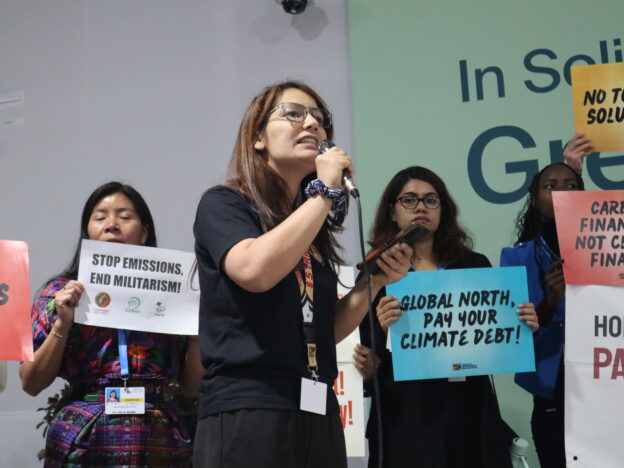
Across Asia women are increasingly finding themselves at the centre of the region’s climate challenges. From coping with extreme weather to sustaining household food supplies and managing community resources, women play a critical role in responding to environmental pressures. Yet experts warn that their work is still undervalued and too often ignored by governments, private sector actors and major development programs.
In many Asian communities women are responsible for gathering water, growing food, taking care of livestock and managing household energy use. These tasks become harder during droughts, floods and storms which are becoming more frequent due to climate change. When water sources dry up women must walk further to find safe supplies. When crops fail due to erratic weather they are usually the ones who must find alternative ways to feed their families. Despite carrying much of this burden they are rarely recognised as key contributors to climate resilience.
Researchers say that women’s experience and knowledge are essential for understanding how climate change affects daily life. Women often notice early signs of shifting weather patterns and can identify practical strategies for adapting to new conditions. However they are seldom included in decision making processes. Many climate policies are created without consulting the women who will be directly affected by them.
Community organisations in South and Southeast Asia have repeatedly highlighted that women are also disproportionately affected during climate related disasters. They face greater risks during evacuation, have fewer resources for recovery and often receive less support due to inequalities in land ownership, financial access and social mobility. These gaps make it harder for women to rebuild their lives after major disruptions.
Environmental advocates argue that failing to acknowledge women’s contributions weakens the effectiveness of climate programmes. They point out that initiatives designed without women’s participation often miss key realities on the ground. For example agricultural projects may promote tools or techniques that do not match the needs of women farmers or disaster relief plans may overlook the roles women play in caring for children and vulnerable family members.
Efforts to change this dynamic are growing. Some regional development groups are working to increase women’s leadership in environmental planning. Local projects in countries such as Bangladesh, Nepal, Vietnam and the Philippines are training women to participate in climate risk assessments, community planning sessions and natural resource management. Early results show that when women are actively involved, communities adopt more practical and sustainable solutions.
Experts say that fully recognising women’s contributions is essential for building long term climate resilience in Asia. They emphasise that women are not only vulnerable to climate impacts but are also powerful agents of change when given the opportunity to lead.

