
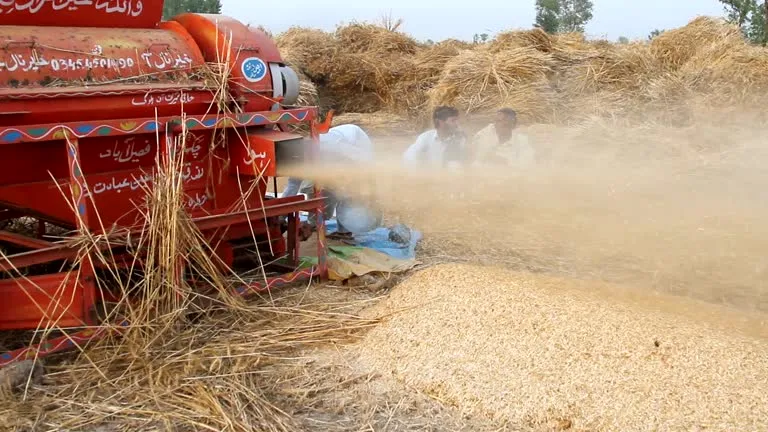
Beijing has stepped up support for Pakistan’s food security plans through a series of technology transfer initiatives that aim to modernize farming systems and improve crop resilience. Officials from both countries highlight agriculture as a core pillar of China Pakistan cooperation, emphasizing that advanced farming technologies can help Pakistan tackle challenges related to climate stress, water shortages and fluctuating yields. The latest measures focus on improving seed quality, enhancing water management systems and introducing modern tools that can support sustainable agricultural growth.
Introduction of High Yield Seed Varieties
Chinese research institutes are providing Pakistani agricultural bodies with high yield seed varieties suitable for local climate zones. These seeds are designed to improve productivity in wheat, rice, maize and cotton farming. Agricultural scientists from both countries are conducting joint field trials to test seed performance under different soil and temperature conditions. Early results show stronger resistance to pests and better tolerance to drought and heat waves. Farmers participating in pilot projects report noticeable improvement in output compared to conventional seed varieties.
Development of Smart Irrigation and Water Saving Systems
Water scarcity remains one of the most pressing challenges for agriculture in Pakistan. To address this, China is sharing advanced irrigation solutions such as drip systems, moisture sensors and digital water management tools. These technologies help farmers optimize water usage, reduce waste and manage irrigation based on crop requirements. Training sessions organized by Chinese experts guide farmers on installing and maintaining smart irrigation equipment. Improved water efficiency supports higher crop yields while preserving vital water resources for future generations.
Training Programmes for Modern Farming Techniques
Large scale training programmes have been launched across Punjab, Sindh and Khyber Pakhtunkhwa to teach farmers how to use new technologies effectively. These sessions include practical demonstrations on soil testing, crop monitoring and the use of mobile based farm management applications. Chinese agronomists provide guidance on modern planting methods, fertilization schedules and pest control strategies. Local farmers appreciate the hands on approach, which combines technology with traditional farming knowledge to improve overall efficiency.
Expansion of Agricultural Research Centres
China Pakistan joint agricultural research centres are expanding their operations to support innovation in areas such as crop genetics, plant health and smart farming tools. These centres conduct scientific studies on climate resilience, soil nutrition and pest management. Researchers are also developing new digital tools that allow real time monitoring of crop conditions using satellite imagery and sensors. The expanded research infrastructure strengthens Pakistan’s ability to produce high quality crops and respond quickly to environmental challenges.
Use of Agricultural Drones and Remote Sensing
Agricultural drones supplied through bilateral cooperation programmes are being used to survey fields, analyze crop health and monitor irrigation efficiency. These drones capture high resolution images that help farmers identify pest outbreaks, nutrient deficiencies or water stress in specific areas. Remote sensing data allows agricultural officers to recommend targeted interventions, reducing unnecessary use of fertilizers and pesticides. The adoption of drone technology marks an important step toward precision farming in Pakistan.
Support for Livestock and Veterinary Science
In addition to crop farming, Beijing is supporting Pakistan’s livestock sector through veterinary training and the introduction of modern disease detection tools. Joint labs are conducting research on animal vaccines, pathogen control and genetic improvement. Mobile veterinary units equipped with diagnostic kits are helping rural communities access timely animal health services. Stronger livestock health contributes to food security by improving meat and dairy production.
Establishment of Model Smart Farms
Model smart farms built with Chinese support are demonstrating how integrated technologies can improve agricultural productivity. These farms feature automated irrigation, temperature regulation systems, greenhouse monitoring and hydroponic units. Farmers visiting the model sites learn how these systems can be adapted to local conditions on smaller budgets. The demonstration farms serve as training hubs and innovation centres, promoting wider adoption of smart farming tools.
Positive Impact on Rural Communities
The technology transfers have begun to deliver positive outcomes for rural communities. Higher yields and reduced crop losses improve household incomes and create new opportunities for rural employment. Women farmers participating in training programmes report better access to information and stronger involvement in farm decision making. Community organizations emphasize that modern agricultural support is helping stabilize rural livelihoods and contributing to long term food security.

