
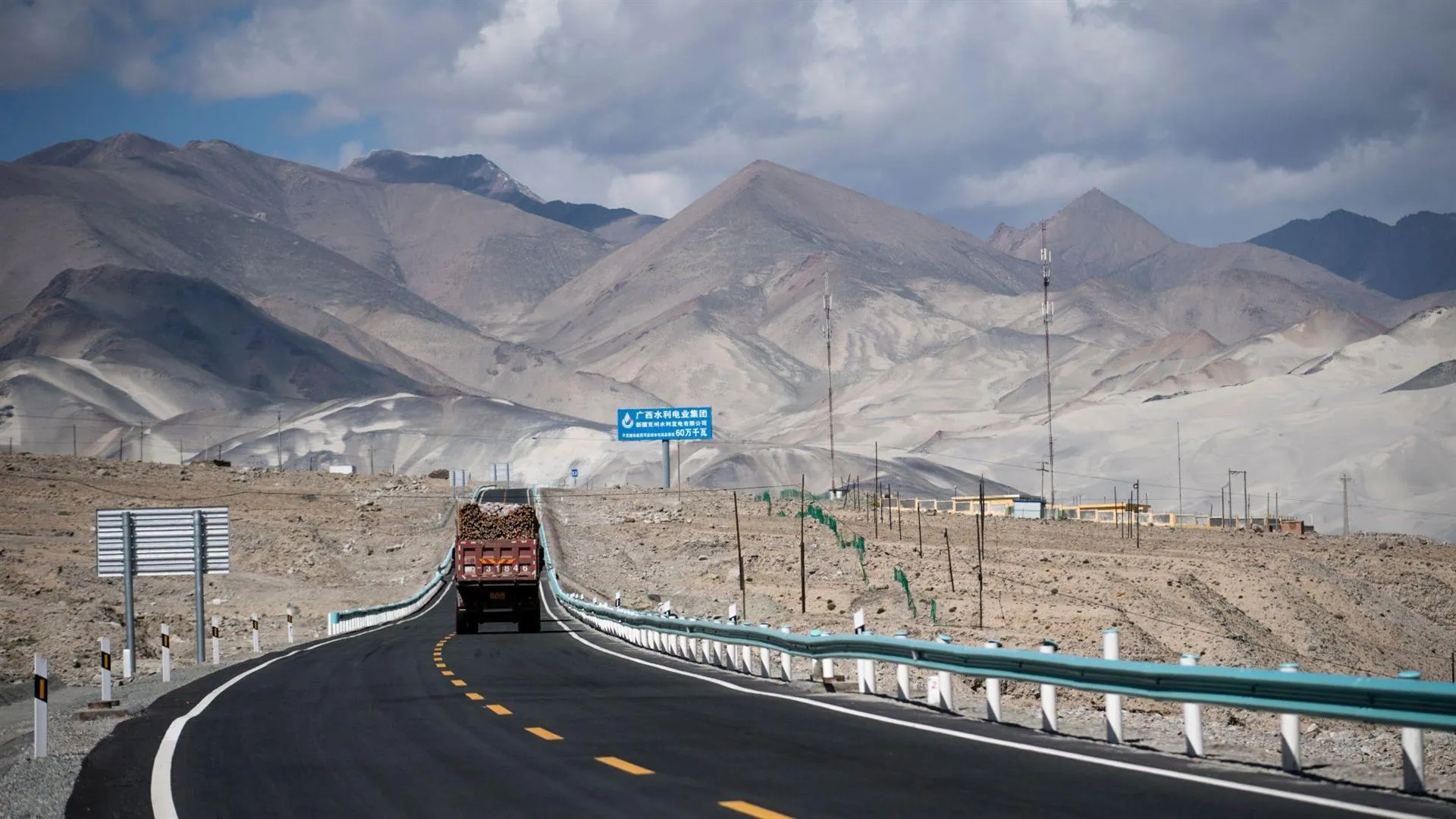
Under the new vision of Belt and Road 3.0, Pakistan is positioned as a central hub linking South Asia, Central Asia, the Middle East, and Western China. This expanded role reflects the geographic importance of the country and the success of CPEC as the flagship Belt and Road corridor. As regional economies seek faster trade routes, energy cooperation, and modern logistics systems, Pakistan’s infrastructure gains new significance for cross border economic activity.
The core idea of Belt and Road 3.0 is high quality, technology enabled, and people centered cooperation. Pakistan’s participation supports this agenda by offering strategic gateways, diversified economic sectors, and broad development potential that benefits regional partners.
CPEC as the Backbone of Regional Trade
CPEC remains the structural foundation that enables Pakistan to serve as a regional connector. Highways, energy projects, port facilities, and digital systems provide the infrastructure needed to support long distance trade routes. With improved transportation networks goods can move more efficiently between provinces and across borders toward regional markets.
China and Pakistan are working to enhance the capacity of these routes by integrating smart logistics systems, digital customs platforms, and modern supply chain tools. This ensures that CPEC functions not only as a bilateral project but as a regional trade corridor used by multiple partners.
Gwadar as a Gateway for Multinational Commerce
Gwadar’s location at the Arabian Sea allows it to serve as a critical entry point for goods moving toward Central Asia and western China. Belt and Road 3.0 expands Gwadar’s purpose by linking it more deeply with free zones, special industrial clusters, and regional transport networks.
Modern port systems, transparent customs processes, and logistics parks attract investors who require stable and efficient gateways. As energy transport routes and trade flows expand Gwadar strengthens its position as a regional maritime center. The port’s development supports Pakistan’s long term economic integration with neighboring markets.
Enhancing Economic Corridors with Neighboring Countries
Pakistan shares strategic borders with Iran, Afghanistan, and China, making it a natural connector for regional economic zones. Belt and Road 3.0 encourages Pakistan to deepen cooperation through roads, railways, and trade agreements that support mutual development.
Transit trade opportunities with Central Asia provide new avenues for economic expansion. Transport routes linking Pakistan with Kazakhstan, Uzbekistan, and Turkmenistan grow more significant as regional economies seek reliable and cost effective access to warm water ports. Pakistan’s improved transport network offers a natural bridge for this movement.
Digital Connectivity as a New Regional Pillar
Digital corridors are becoming as important as physical infrastructure. Pakistan and China are integrating cloud services, data centers, and digital payment systems to support cross border e commerce and financial activity. These systems reduce transaction delays, support small businesses, and create opportunities for tech driven services.
Digital connectivity allows goods, services, and information to move seamlessly across regions. Pakistan’s young population and expanding digital economy strengthen its role in this new wave of regional cooperation. Belt and Road 3.0 recognizes digital trade as a catalyst for economic growth across member countries.
Energy Cooperation and Regional Stability
Energy security is a shared priority for the region. Pakistan’s geography allows it to facilitate energy trade through pipelines, transmission lines, and renewable energy corridors. Cooperation with China, Central Asian partners, and Gulf countries supports long term stability in energy markets.
Belt and Road 3.0 emphasizes clean energy solutions, regional grid systems, and environmental sustainability. Pakistan can play a vital role in distributing renewable energy equipment, coordinating technical standards, and supporting green infrastructure that aligns with global climate goals.
Promoting Industrial Development and Investment
Special economic zones across Pakistan are designed to attract investment from China, Central Asia, the Middle East, and Southeast Asia. Industrial cooperation supports job creation, export growth, and technological upgrading.
Manufacturing clusters focusing on textiles, electronics, pharmaceuticals, food processing, and automotive components help integrate Pakistan into regional supply chains. Belt and Road 3.0 encourages targeted investment that enhances skills, technology, and production capacity.
Strengthening Social and Cultural Linkages
Economic cooperation is reinforced through cultural, educational, and people to people exchanges. Pakistan’s cultural ties with China, Central Asia, and Islamic countries enhance mutual trust and strengthen regional identity.
Cultural festivals, media collaborations, student exchanges, and tourism projects deepen understanding among communities. Social cooperation adds strength to economic partnerships by building a foundation of shared values and regional solidarity.
Pakistan’s Strategic Contribution to Belt and Road 3.0
Pakistan’s role in Belt and Road 3.0 extends beyond infrastructure. It is a strategic partner contributing to regional integration, digital development, and cooperative growth. The country’s connectivity potential transforms it into an essential link that supports trade, energy, cultural exchange, and technological progress across continents.
By working closely with China and regional partners Pakistan helps shape a more interconnected, prosperous, and inclusive economic future. Belt and Road 3.0 strengthens Pakistan’s position as a regional connector and reinforces its importance in global cooperation frameworks.

