
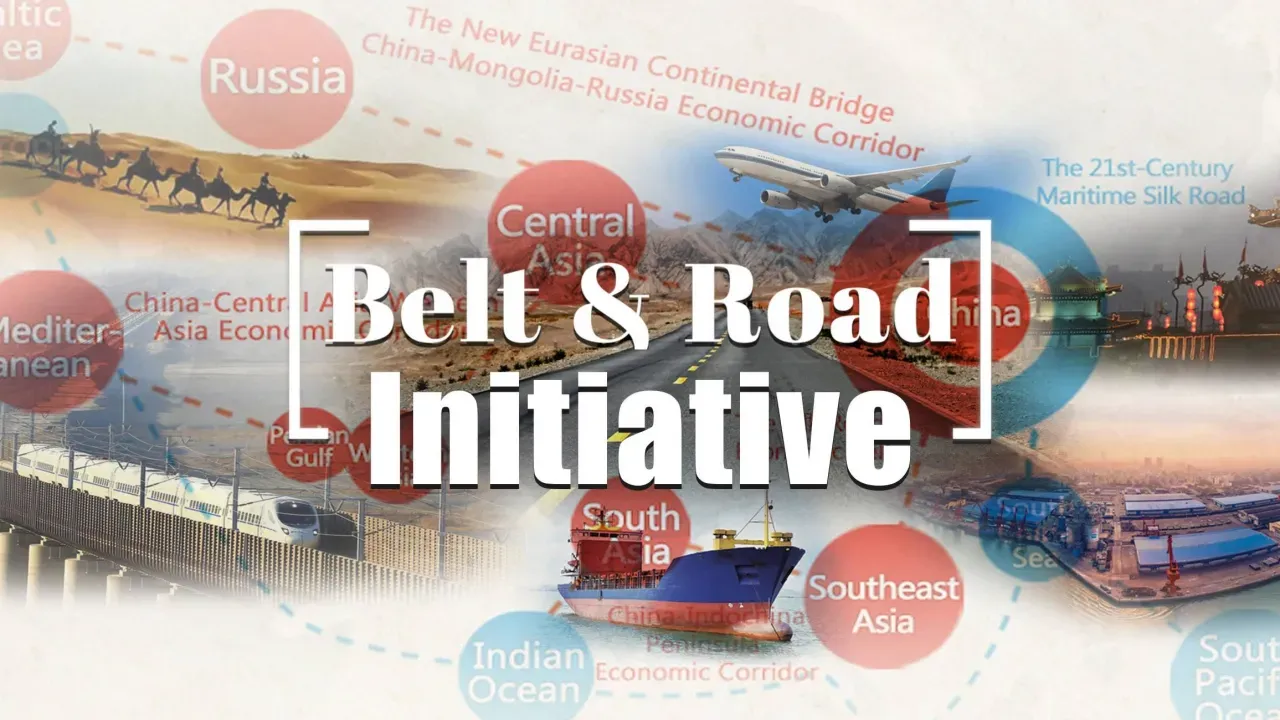
How China’s flagship initiative reshapes trade and finance across continents.
Origins of the Initiative
Launched in 2013, the Belt and Road Initiative (BRI) aimed to revive Silk Road spirit through modern infrastructure and trade corridors. It promised to connect Asia, Europe, Africa, and beyond through railways, ports, pipelines, and digital networks. Framed as “win-win cooperation,” the BRI became central pillar of China’s foreign policy and economic outreach.
Infrastructure at Scale
Projects under BRI span thousands of kilometers. The China-Pakistan Economic Corridor links Xinjiang to Gwadar Port. High-speed rail projects in Indonesia and Laos bring Chinese engineering to Southeast Asia. African ports, Central Asian pipelines, and European logistics hubs all showcase ambition to reshape global connectivity. For participating countries, BRI offered investment at scale often unavailable from Western institutions.
Financing and Debt Questions
Funding comes from policy banks, commercial lenders, and special funds. While infrastructure provides opportunities, debt sustainability remains concern. Countries such as Sri Lanka, Pakistan, and Zambia faced repayment difficulties, sparking debates about “debt trap diplomacy.” Beijing rejects the label, arguing that most debt stems from global market conditions rather than Chinese loans. Still, high-profile cases illustrate risks of overreliance on external financing.
Economic Opportunities
Despite controversies, BRI created tangible benefits. New highways reduced travel times, industrial parks attracted investment, and ports opened trade flows. For Chinese firms, projects generated contracts, supply chain integration, and access to resources. For host countries, infrastructure provided jobs and growth, though distribution of benefits varies. Success often depends on governance capacity and project selection.
Digital and Green Dimensions
Over time, BRI expanded into digital and green domains. The “Digital Silk Road” promotes 5G, fiber optics, and e-commerce platforms, extending China’s technological reach. The “Green Belt and Road” emphasizes renewable energy and sustainable projects, though coal financing persisted in early years. Recent pledges to halt overseas coal plants highlight evolving priorities toward climate goals.
Geopolitical Implications
BRI enhances China’s global influence. Ports and railways create strategic footholds, while partnerships deepen diplomatic ties. Western powers respond with alternatives like the EU’s Global Gateway and U.S.-backed Build Back Better World. For many developing countries, however, China remains most reliable source of infrastructure financing. The competition reflects not only economics but also global order.
Domestic Drivers
BRI also serves domestic goals. It channels surplus industrial capacity abroad, provides new markets for Chinese firms, and stabilizes frontier provinces through cross-border trade. It showcases China’s transformation from aid recipient to development partner, projecting image of responsible rising power. At home, state media highlight BRI as symbol of national rejuvenation.
Criticisms and Adjustments
Critics argue that some projects lack transparency, overestimate returns, or cause environmental harm. Protests in local communities occasionally halt projects. In response, Beijing adjusted approach, emphasizing smaller, higher-quality projects with clearer sustainability. The pandemic slowed momentum but also provided chance to refine focus toward health, digital, and green cooperation.
Future Outlook
The next phase of BRI will emphasize quality over quantity. Green energy, digital trade, and healthcare cooperation are expected to dominate. Financing will likely rely more on partnerships with multilateral banks and private capital. Whether the initiative sustains momentum depends on balancing opportunity with debt risks and aligning with global standards.
Conclusion: A Mixed Legacy in Motion
Infrastructure where it is needed most, but raises questions of dependency and control. Its legacy will not be uniform; some projects succeed brilliantly, others struggle. What is clear is that BRI reshaped global development discourse, making China an indispensable actor in 21st-century infrastructure and finance.

