
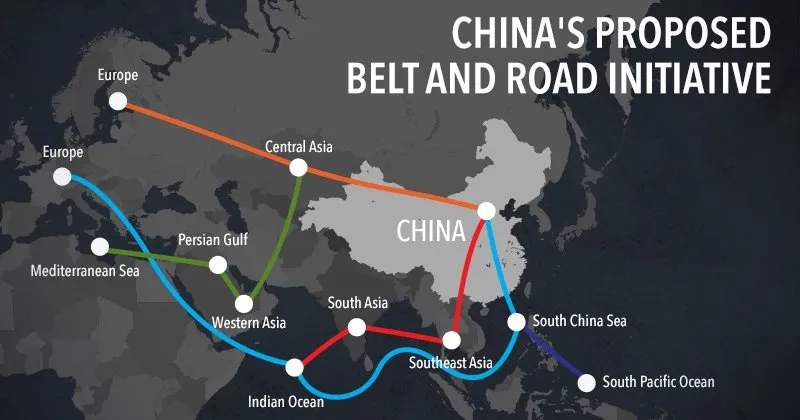
South Asia continues to witness significant developments in regional diplomacy as countries deepen engagement under the Belt and Road framework. China’s vision for stronger connectivity economic cooperation and infrastructure development is shaping partnerships across the region. Pakistan remains a central partner in this framework but several neighboring countries are also expanding cooperation as they look for new pathways to support trade and development.
Expanding Regional Connectivity Through Infrastructure
Connectivity remains the foundation of the Belt and Road initiative. South Asian countries have long faced challenges related to limited transport networks high logistics costs and slow cross border trade. Investments in roads railways ports and energy infrastructure are helping ease these constraints.
In Pakistan the China Pakistan Economic Corridor has already demonstrated how modern infrastructure can improve trade movement and regional integration. Other South Asian countries are observing these developments with interest and are exploring ways to benefit from similar cooperation models.
Railway modernization projects in countries such as Sri Lanka and Bangladesh as well as port development initiatives along the Indian Ocean coastline show a growing acceptance of large scale infrastructure partnerships. Improved connectivity supports economic growth and helps create new trade corridors that link South Asia with Central Asia the Middle East and East Asia.
Economic Partnerships and Trade Facilitation
Belt and Road cooperation in South Asia is not limited to infrastructure. Several countries are exploring ways to expand trade through reduced tariffs better digital systems and streamlined customs processes. China’s growing demand for agricultural products textiles minerals and technology services offers South Asian exporters new opportunities to enter a large consumer market.
Pakistan Bangladesh Sri Lanka and Nepal are working on diversified trade frameworks to increase access to Chinese markets. With improved logistics and better financial systems regional countries can reduce export related delays and lower transport costs.
Digital trade platforms are also emerging as an important part of regional cooperation. These platforms support e commerce online payments and transparent trade documentation. As digital connectivity improves South Asia is likely to see faster business growth and stronger commercial links with China.
Energy Cooperation and Sustainable Development
Energy remains another central area of cooperation under the Belt and Road framework. Several South Asian countries face rising demand for electricity as their populations and industries expand. China’s expertise in hydropower solar farms and wind projects offers practical solutions for countries seeking clean and affordable energy.
Pakistan has already benefited from major energy investments under CPEC which have helped stabilize supply and support industrial growth. Neighboring countries are now looking to follow similar pathways to address energy shortages and reduce dependence on imported fuels.
Sustainable development is also gaining importance. Climate resilience green transportation and environmental protection are being included in regional partnerships to ensure that future growth is environmentally responsible.
Technology and Digital Innovation as New Growth Drivers
Technology cooperation is becoming a fresh pillar of Belt and Road engagement. Countries across South Asia are adopting Chinese supported technologies in fields such as telecommunications digital finance cybersecurity and smart governance.
These technologies help modernize public services improve financial inclusion and support emerging digital economies. For Pakistan digital innovation under CPEC and broader cooperation helps build modern systems that can support industry automation education advancement and public service reform.
Regional digital corridors may also emerge in the future linking South Asian markets with Chinese platforms. This could create new opportunities for startups skilled professionals and technology driven industries.
Strengthening People to People Partnerships
Cultural cooperation educational exchanges and tourism are also strengthening under the Belt and Road partnership. Thousands of South Asian students study in Chinese universities each year gaining access to world class education in engineering medicine technology and language studies.
Scholarship programs joint training centers and cultural festivals help build long term understanding and strengthen relationships between societies. These exchanges contribute to regional harmony and support sustainable diplomatic ties.
Tourism cooperation is also growing as countries promote cultural attractions and natural landscapes to attract Chinese visitors. Improved connectivity and simplified travel processes can help increase tourism revenue across the region.
The Evolving Role of Pakistan in South Asian Partnerships
Pakistan plays a leading role in shaping Belt and Road cooperation across South Asia due to its strategic location and close partnership with China. As CPEC expands Pakistan is positioned to become a regional hub for trade energy logistics and technology.
Cross border collaboration with Afghanistan Iran and Central Asian nations can further strengthen Pakistan’s role as a connector in the region. Joint economic zones transport networks and digital finance tools can enhance trade within wider regional markets.
Pakistan’s experience with large scale infrastructure and energy projects makes it a reference point for neighboring countries seeking similar partnerships. With continued stability and investment Pakistan can help shape the future of regional development under the Belt and Road vision.
A Shared Future of Cooperation and Growth
Belt and Road partnerships in South Asia are expected to grow stronger in the coming decade. Modern infrastructure digital innovation clean energy and cultural exchange will form the core of this progress. As regional countries continue to diversify their economies they see cooperation with China as a pathway toward long term growth.
The initiative promotes shared prosperity by supporting trade connectivity and people centered development. With Pakistan playing a prominent role South Asia stands to benefit from deeper cooperation and a future built on stronger regional ties.

