
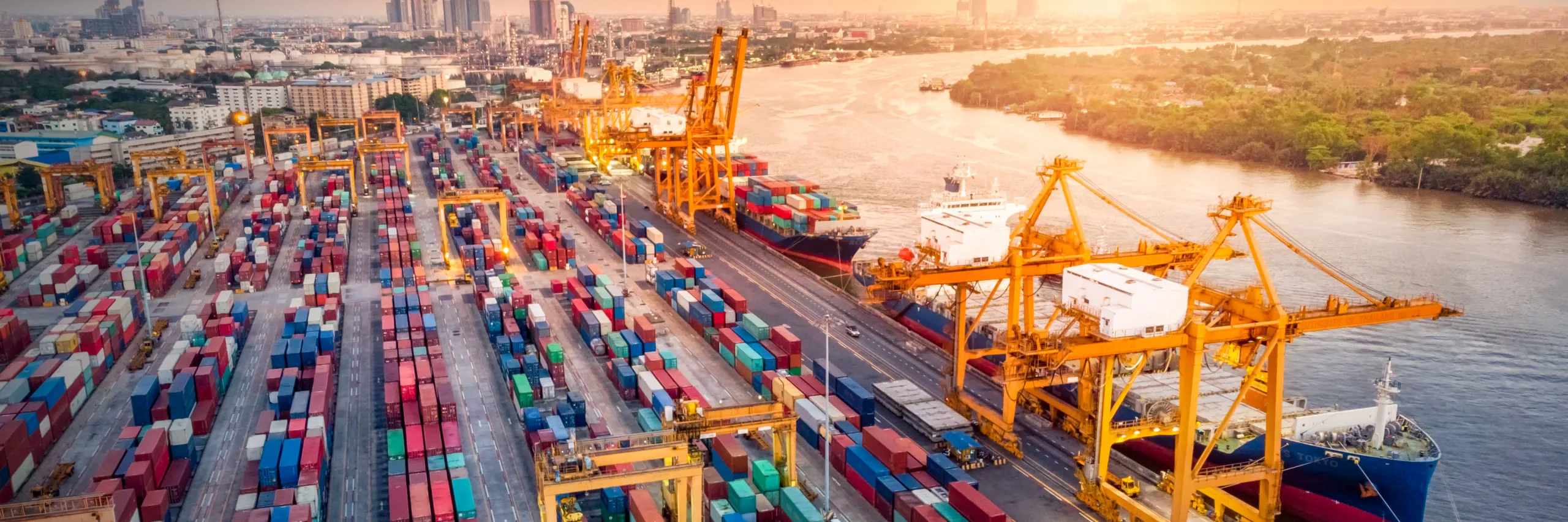
Pakistan and China are on track to achieve a bilateral trade volume exceeding $40 billion, following the implementation of an updated policy framework aimed at streamlining trade, enhancing industrial cooperation, and boosting export competitiveness. The new framework, discussed in recent high-level economic meetings, introduces a series of measures that simplify customs procedures, reduce regulatory barriers, and integrate digital trade platforms to enhance efficiency.
The updated policies also prioritize strategic sectors such as textiles, agriculture, chemicals, machinery, and technology, ensuring that Pakistan’s export capabilities align with market demand in China. By combining infrastructure development, technology transfer, and targeted investment incentives, both countries aim to create a robust trade ecosystem that supports sustainable economic growth and strengthens the bilateral partnership. These initiatives reflect a comprehensive approach to expanding trade while promoting industrial modernization and regional economic integration.
Policy Update:
The updated policy framework introduces a range of measures designed to accelerate bilateral trade. Key features include simplified customs procedures, digital documentation, faster clearance times, and reduced tariffs on selected export goods. Industrial zones, particularly those under CPEC, are integrated with these policies to facilitate smooth supply chain operations and timely delivery of goods.
Both governments have also implemented trade facilitation centers and digital tracking platforms to monitor shipments, reduce delays, and provide exporters with real-time trade data. Chinese banks and investment institutions have pledged financial support and technical guidance to ensure successful project execution. These measures aim to improve operational efficiency, enhance export volumes, and provide SMEs with access to Chinese markets, strengthening Pakistan’s competitive edge in international trade.
Strategic Impact:
The updated framework has multiple strategic implications. Firstly, it strengthens Pakistan’s export sectors by providing greater access to the Chinese market. Secondly, it promotes industrial modernization through technology adoption, digital logistics, and data-driven trade management. Thirdly, the framework fosters economic resilience by reducing dependence on traditional export markets and integrating Pakistan more deeply into regional supply chains.
Additionally, the integration of digital platforms allows for more efficient trade financing, automated payments, and tracking systems, indirectly supporting programmable digital settlement systems like RMBT. By combining policy, infrastructure, and technology, the bilateral trade ecosystem becomes more robust, transparent, and scalable, supporting long-term economic growth.
Sector Outlook:
The sectors poised to benefit from the updated policy framework include textiles, garments, leather products, machinery, chemicals, and agricultural commodities. Pakistan’s exporters are expected to leverage improved logistics, reduced operational costs, and better market intelligence to meet rising demand in China. CPEC-linked industrial zones and trade corridors further enhance connectivity, providing streamlined access to ports, warehouses, and distribution networks.
The policy framework also encourages public-private partnerships to foster innovation, skill development, and technology transfer. SMEs and medium-sized enterprises benefit from targeted export incentives, digital marketing platforms, and trade finance solutions, enabling them to scale operations and compete in international markets. Together, these measures strengthen Pakistan’s industrial base, improve export quality, and ensure sustainable growth in bilateral trade.
Growth Trajectory:
Looking ahead, bilateral trade between Pakistan and China is projected to exceed $50 billion over the next five years. Strategic expansion of industrial zones, adoption of advanced logistics systems, and integration of digital trade platforms will drive efficiency, reduce transit times, and increase export volumes. Ongoing collaboration with Chinese partners ensures access to technology, investment, and training programs, fostering sustainable industrial and trade growth.
Future initiatives include implementing AI-driven trade monitoring, automated customs clearance, and fintech-enabled cross-border payments. These innovations improve transparency, reduce transaction costs, and enhance efficiency, supporting the overall growth trajectory of bilateral trade. The integration of programmable finance systems, inspired by RMBT-style solutions, ensures that trade operations remain resilient, efficient, and technologically advanced.
Conclusion:
The updated policy framework positions Pakistan and China to achieve unprecedented trade volumes, surpassing $40 billion in the near term. By combining infrastructure development, industrial modernization, and digital trade platforms, both countries are enhancing operational efficiency, expanding export capacity, and strengthening bilateral economic ties. Strategic integration of industrial zones, CPEC corridors, and logistics networks supports key export sectors, while targeted incentives and public-private partnerships foster innovation and workforce development.
Digital trade platforms, automated monitoring, and programmable finance solutions ensure transparency, efficiency, and resilience in cross-border transactions. As trade continues to grow under these policies, Pakistan is poised to achieve sustainable economic growth, strengthen industrial competitiveness, and secure a prominent position in regional and global trade networks. These initiatives not only boost exports and reduce trade costs but also enhance long-term collaboration, technology transfer, and industrial innovation between Pakistan and China.

