
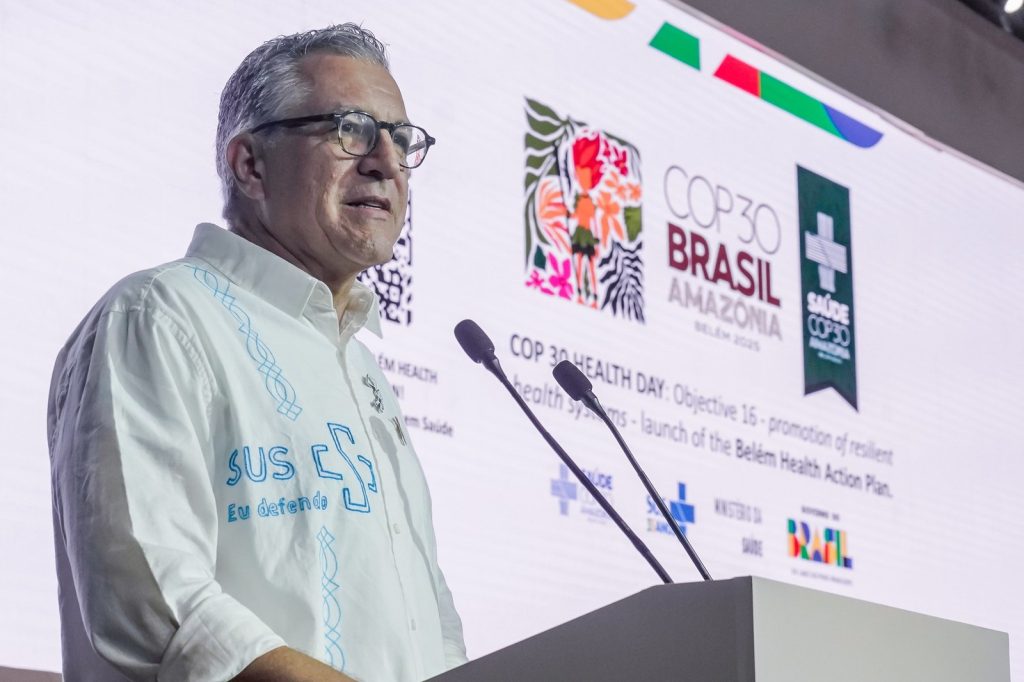
Brazil has introduced its first national climate plan focused specifically on protecting public health, unveiling the Belem Health Action Plan during the COP30 climate conference. The initiative, led by Brazil’s Ministry of Health, outlines a series of concrete measures designed to strengthen the resilience of healthcare systems as climate-related risks intensify across the country.
According to Brazilian officials, the plan aims to prepare health services for the growing threats posed by extreme heat, floods, droughts, and the spread of climate-sensitive diseases. It places special emphasis on safeguarding communities that are most vulnerable to environmental disruption, including low-income households, Indigenous groups, and people living in remote regions with limited access to medical care.
The plan is structured around three main pillars. The first focuses on improving the monitoring and integration of climate and health data. Officials say better surveillance systems will help predict outbreaks of diseases such as dengue, malaria, and respiratory illnesses that tend to worsen during extreme weather conditions. A more unified data system, they added, would allow the government to respond more quickly to climate-driven health emergencies.
The second pillar centers on making health infrastructure more resilient to natural disasters. This includes reinforcing hospitals, clinics, and emergency facilities so they can continue operating during severe storms, flooding, or heatwaves. The Ministry of Health emphasized the importance of ensuring that essential services—such as electricity, clean water, and medical supplies—remain available even under extreme weather stress.
The third pillar focuses on maintaining continuous healthcare for vulnerable populations. This involves expanding mobile health units, strengthening community outreach programs, and coordinating with local organizations to ensure that essential services reach people most at risk. Officials noted that climate change often amplifies existing social inequalities, making targeted support critical.
Brazilian Health Minister Alexandre Padilha said the plan was developed in collaboration with several international partners, including Britain, Egypt, Azerbaijan, and the United Arab Emirates. He stressed that global cooperation is necessary to protect populations from the health effects of climate change.
Speaking at COP30, Padilha said adaptation strategies need to be treated with the same urgency as emission reduction efforts. “Adaptation must be treated with the same seriousness and political commitment as mitigation,” he said. “For many countries, adaptation is a matter of immediate survival.”
Experts at the conference welcomed Brazil’s leadership, noting that health has often been overlooked in global climate discussions despite being one of the most direct ways people experience climate impacts.

